Scheduled article — publishes on February 14, 2027. Not yet visible on the public blog feed.
Mold Testing in Sunrise: Sawgrass-Adjacent Homes and Western Broward Humidity
Sunrise sits inland in western Broward with its own humidity and drainage patterns. Here is what local homeowners should watch for.
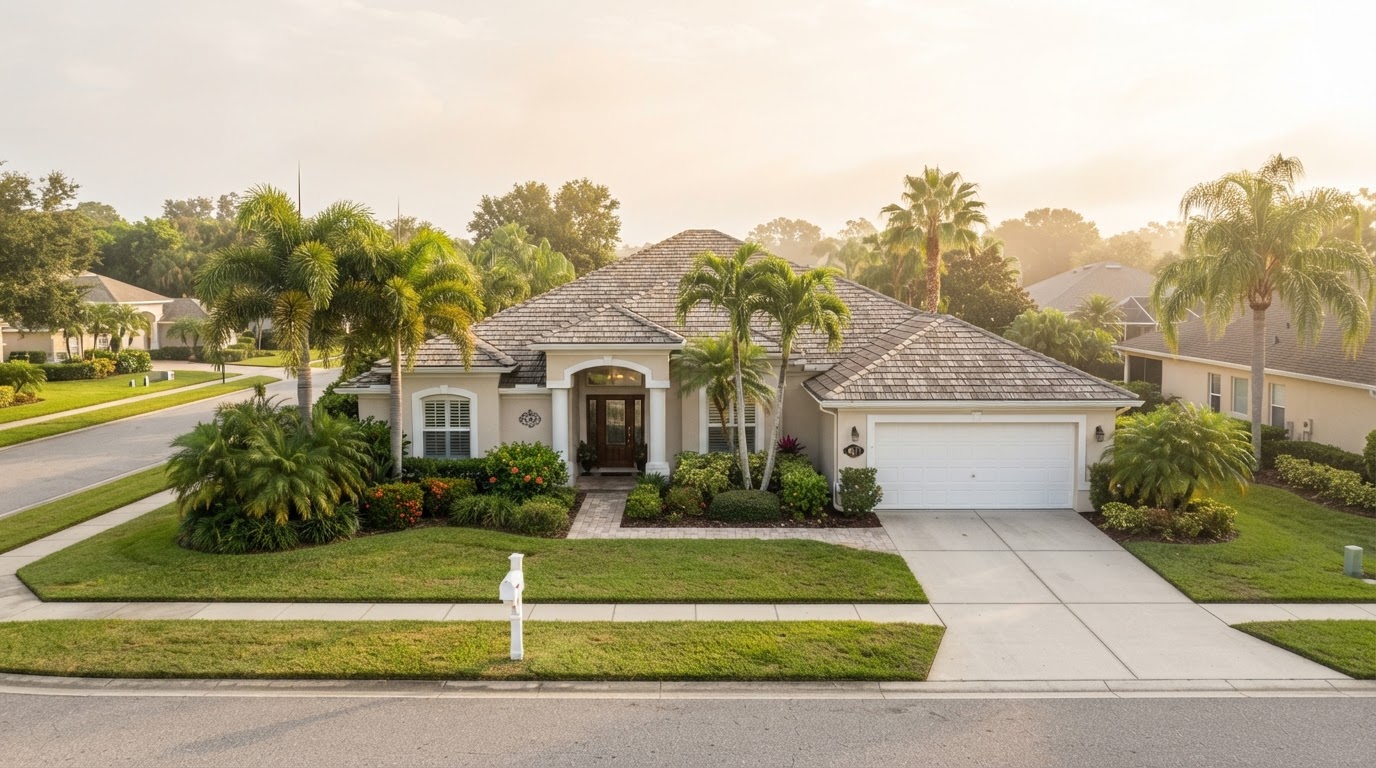
Sunrise sits inland in western Broward, adjacent to the Sawgrass Expressway corridor and the Everglades' edge. Its inland position changes the mold risk profile: less salt air, but more intense summer heat, heavier afternoon storms, and drainage patterns shaped by the region's canal network. This article explains what is specific about mold risk in Sunrise and when testing makes sense.
Inland heat and AC load
Western Broward runs hotter than the coast in summer, and AC systems work harder and longer. Condensate systems run continuously, and failures — clogged lines, cracked pans — are the most common indoor moisture source. An AC that is marginal in March can fail in August.
Canal drainage and water tables
The region's canal network manages stormwater but keeps water tables high. Homes near canals or in lower-lying areas face seepage toward foundations in heavy rain, keeping lower walls and slabs damp longer than in higher areas.
Afternoon storm intensity
Inland areas get intense afternoon thunderstorms that test roof flashing, window seals, and gutters. Even well-built homes can take wind-driven rain through a failed seal, wetting a wall cavity out of sight.
Warning signs for Sunrise homeowners
- A musty smell when the AC turns on.
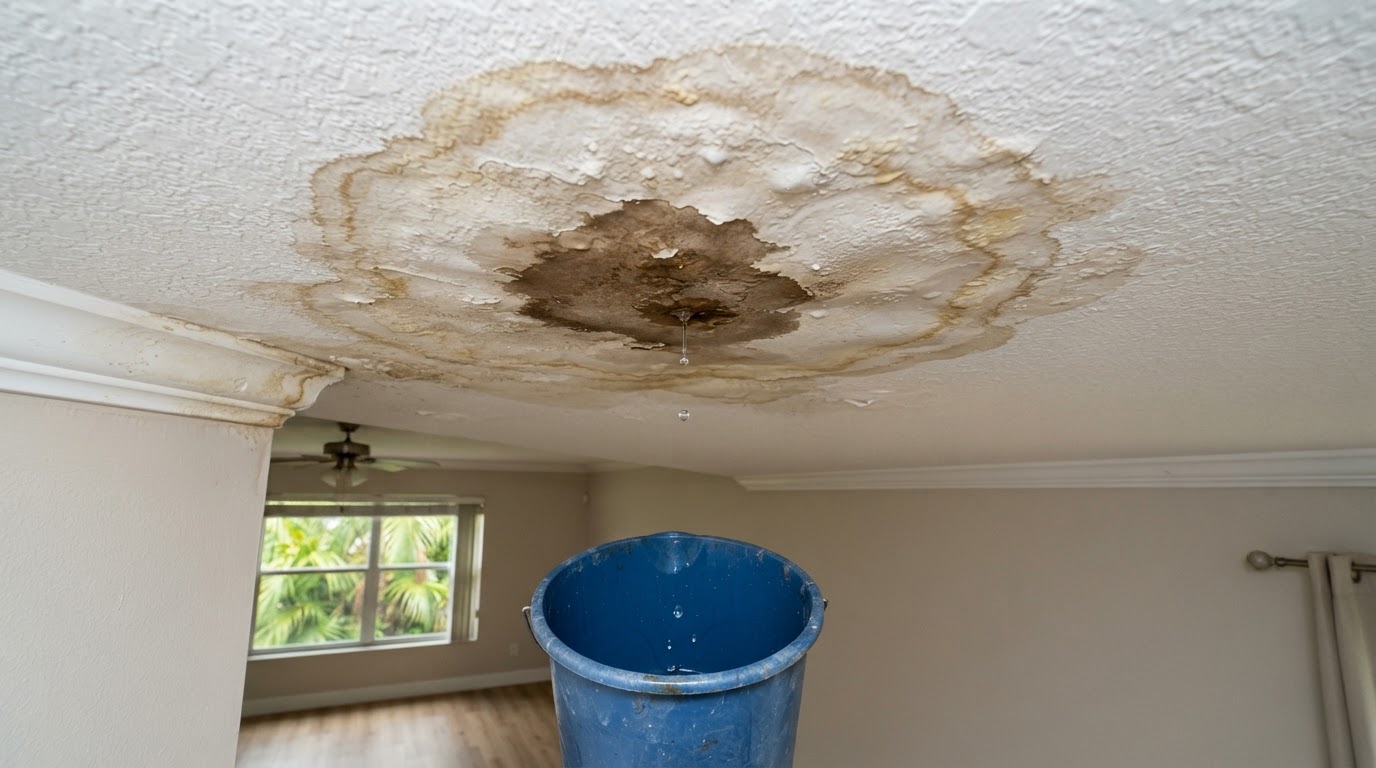
- Water stains on ceilings after storms.
- Damp or discolored baseboards and lower walls, especially near canals.
- Indoor humidity reads above 55–60% on a hygrometer.
- A musty odor that persists after AC service.
Inland western Broward trades salt air for heat. The AC runs harder, the storms hit harder, and the canal network keeps the water table close — all three feed mold risk.
The Sawgrass corridor and summer storm intensity
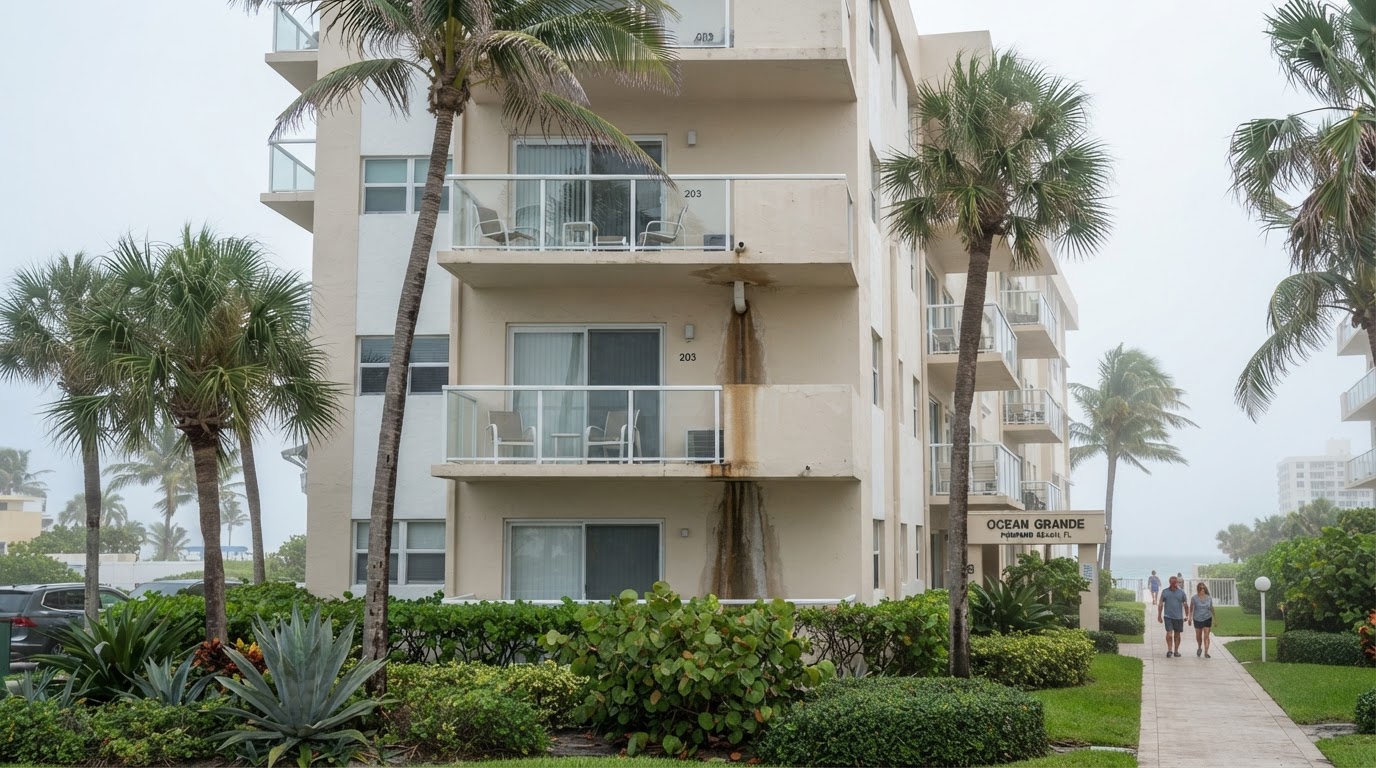
Sunrise sits along the Sawgrass Expressway at the western edge of the developed Broward corridor, and that inland position changes the weather the home experiences. Afternoon thunderstorms in western Broward are often more intense than on the coast — heavier rain, more wind-driven moisture, and slower clearing. Wind-driven rain tests roof flashing, window seals, and stucco walls, and even a well-built home can take water through a failed seal that never shows as a visible leak. After any major storm, the walls that face the prevailing wind are the ones to inspect for moisture intrusion, because that is where wind-driven rain finds the weak points.
- After a storm with wind-driven rain, check the walls facing the prevailing wind for dampness or discoloration.
- Window seals and stucco cracks are the most common entry points for wind-driven rain in western Broward.
- A wall that is damp after a storm but dries within a day is usually fine; one that stays damp needs investigation.
The canal network and the western water table
The canal network that manages stormwater across western Broward keeps the local water table high between storms, and Sunrise homes near canals or in lower-lying pockets sit with saturated soil near the slab for much of the year. That is the structural backdrop for the damp baseboards and lower walls that appear in canal-adjacent Sunrise homes — not a leak, but the water table itself. Regrading low spots, directing downspouts away from the slab, and monitoring lower walls after storms are the practical defenses. If lower walls stay damp regardless of weather, testing can confirm whether the source is slab wicking rather than a leak, which changes the fix entirely.
Prevention for Sunrise homeowners
- Have the AC serviced before summer — condensate systems are the top moisture source.
- Keep indoor humidity below 50% and monitor with a hygrometer.
- Check roof flashing, window seals, and gutters before storm season.
- If you back onto a canal or low area, check for slab-edge dampness after storms.
- Keep the condensate line clear and filters changed.
When to test
- After any storm-related water intrusion.
- When a musty odor appears, especially when the AC runs.
- When lower walls feel damp, especially near canals.
- Before buying a Sunrise home, especially one near a canal or low area.
Frequently asked questions
Is mold risk different inland than on the coast?+
The drivers differ. Inland areas like Sunrise trade salt-air AC corrosion for more intense heat, heavier AC load, and stronger afternoon storms. Both climates keep humidity high.
Why does my AC struggle more in western Broward?+
Inland heat makes AC systems run harder and longer. Condensate systems work continuously, and failures are more common — making the AC the top indoor moisture source.
Does living near a canal increase mold risk?+
It can. Canal networks keep water tables high, and homes near canals or in low areas face seepage toward foundations in heavy rain, keeping lower walls damp longer.
Should I test a Sunrise home before buying it?+
Yes. AC condition, drainage, and storm exposure are worth checking. A pre-purchase inspection can confirm moisture is managed before you close.
Related resources
If you own or are buying a home in Sunrise, connect with our recommended local mold testing provider for an assessment that includes AC performance and drainage-related moisture.
Need professional mold testing in South Florida?
Connect with our recommended local mold testing provider, MoldXperts, for an independent assessment.
Looking for professional mold testing in Fort Lauderdale? Connect with our recommended local mold testing provider. We may receive compensation when you contact our featured provider.
About this article
This article is published by Best Mold Testing Fort Lauderdale as an independent educational resource. It is reviewed for accuracy and reflects publicly available guidance from agencies including the EPA, CDC, and Florida DBPR. It is not a substitute for professional advice specific to your property.
Get mold prevention tips in your inbox
The South Florida Mold & Healthy Home Newsletter — practical, no spam.