HVAC & Air Conditioning Mold Inspections in South Florida
Inspects air handlers, coils, drain pans, and ductwork for condensation, debris, and microbial growth that can distribute spores through a home.
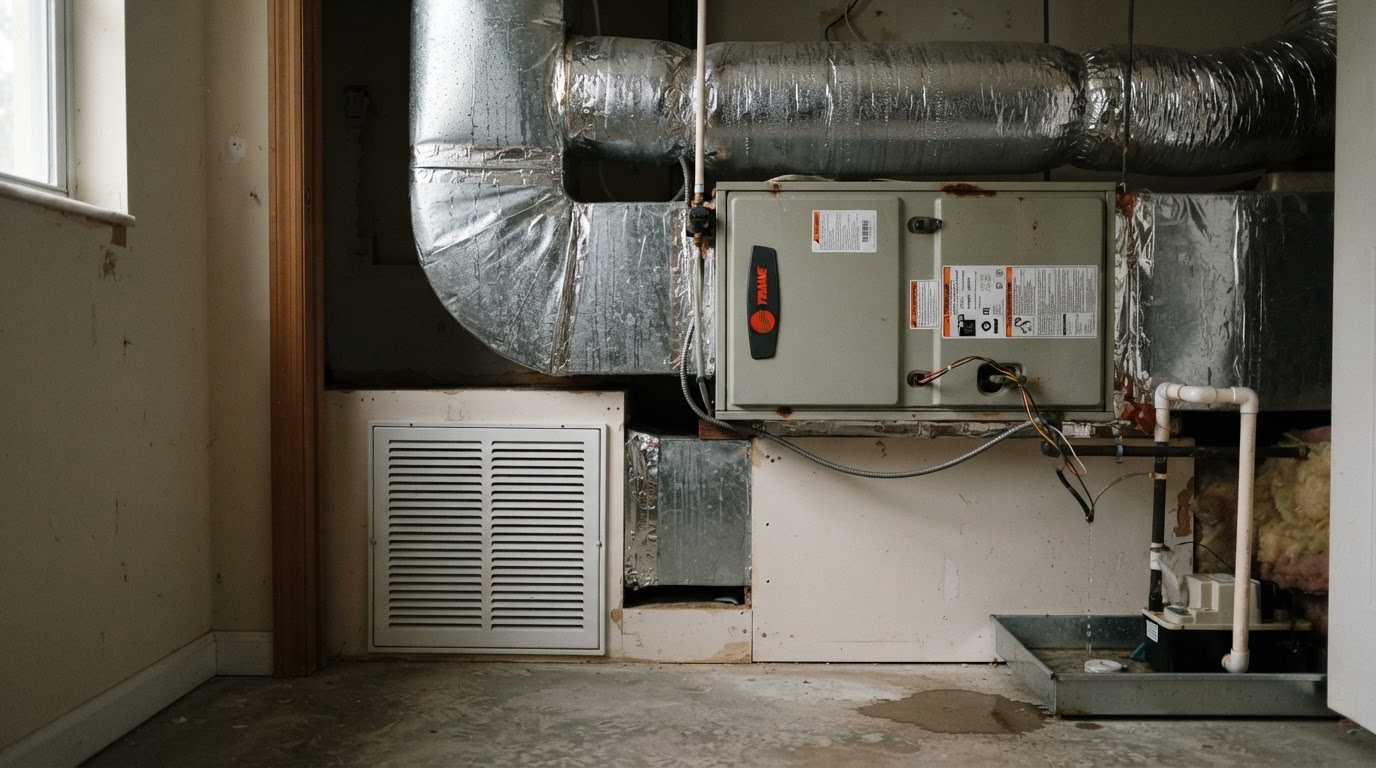
What this service covers
In humid South Florida, the AC system is both a comfort system and a potential mold source. Warm, moist air condenses on cool coils and in ductwork; if the drain line clogs or the pan holds water, microbial growth can establish and distribute spores throughout the home. An HVAC mold inspection examines the air handler, coil, drain pan, and accessible ductwork.
When this testing may be appropriate
- A musty odor when the AC first turns on.
- Visible growth or discoloration at supply vents.
- Indoor humidity consistently above 60%.
- After an AC drain-pan overflow or leak.
- Allergy symptoms that worsen when the AC runs.
How the inspection works
- 1Inspect the air handler, coil, and drain pan for moisture and growth.
- 2Check the condensate drain line for clogs.
- 3Scope accessible ductwork for debris and growth.
- 4Measure indoor humidity.
- 5Collect a surface or air sample where growth is suspected.
Questions to ask before you schedule
- Will you scope the ducts?
- Does the coil need cleaning?
- Can you check the drain pan and line?
- Will you sample the air handler if growth is suspected?
Frequently asked questions
Can my AC spread mold?+
If growth is present in the air handler or ducts, spores can circulate through the home. Cleaning and moisture control help.
Why does my AC smell musty?+
Often microbial growth or standing water in the drain pan or ductwork is the source of the odor.
Need this testing in South Florida?
Connect with our recommended local mold testing provider, MoldXperts, for an independent assessment and a clear written report.
Looking for professional mold testing in Fort Lauderdale? Connect with our recommended local mold testing provider. We may receive compensation when you contact our featured provider.
Prefer to talk it through?
(954) 464-4538