Mold Testing After Roof Leaks in South Florida
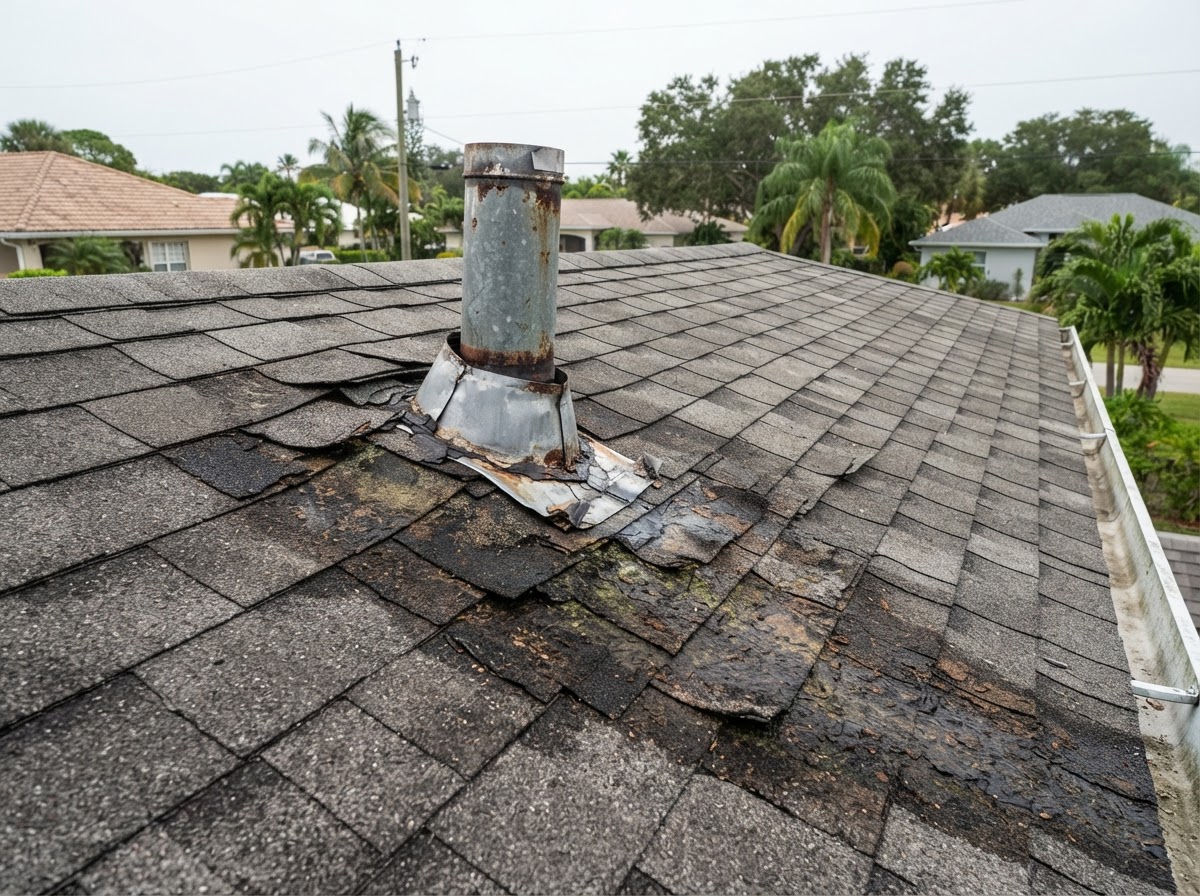
Roof leaks wet attic insulation and ceiling drywall — prime hidden-growth territory. Testing checks the attic and ceiling cavity after the repair.
What this service covers
A roof leak rarely stays in the attic. Water wicks into insulation and the back of ceiling drywall, creating a damp, hidden environment where mold thrives long after the roof is fixed. An assessment inspects the attic, maps moisture in the ceiling below, and samples where growth is suspected.
When this testing may be appropriate
- A recent roof leak or visible ceiling water stain.
- Elevated humidity or a musty smell in the attic.
- After wind-driven rain from a storm.
- Before replacing wet drywall or insulation.
How the inspection works
- 1Inspect the attic for wet insulation and sheathing.
- 2Moisture-map the ceiling below the leak.
- 3Collect air samples and, if warranted, a cavity sample.
- 4Send samples to an accredited lab.
- 5Report findings and recommend whether remediation is needed.
Questions to ask before you schedule
- Will you inspect the attic itself?
- Is the insulation still wet?
- Should I test before I replace the drywall?
- How many samples will this require?
Frequently asked questions
If I fixed the roof, do I still need testing?+
If materials stayed wet, hidden growth can remain. Testing confirms whether the cavity is clear.
Can mold grow in attic insulation?+
Yes — damp insulation and roof sheathing can support growth in a humid attic.
Need this testing in South Florida?
Connect with our recommended local mold testing provider, MoldXperts, for an independent assessment and a clear written report.
Looking for professional mold testing in Fort Lauderdale? Connect with our recommended local mold testing provider. We may receive compensation when you contact our featured provider.
Prefer to talk it through?
(954) 464-4538