What to Do in the First 48 Hours After a Water Leak
The first two days after a leak are the most important window for preventing mold. Here is a practical, step-by-step checklist for South Florida homeowners.
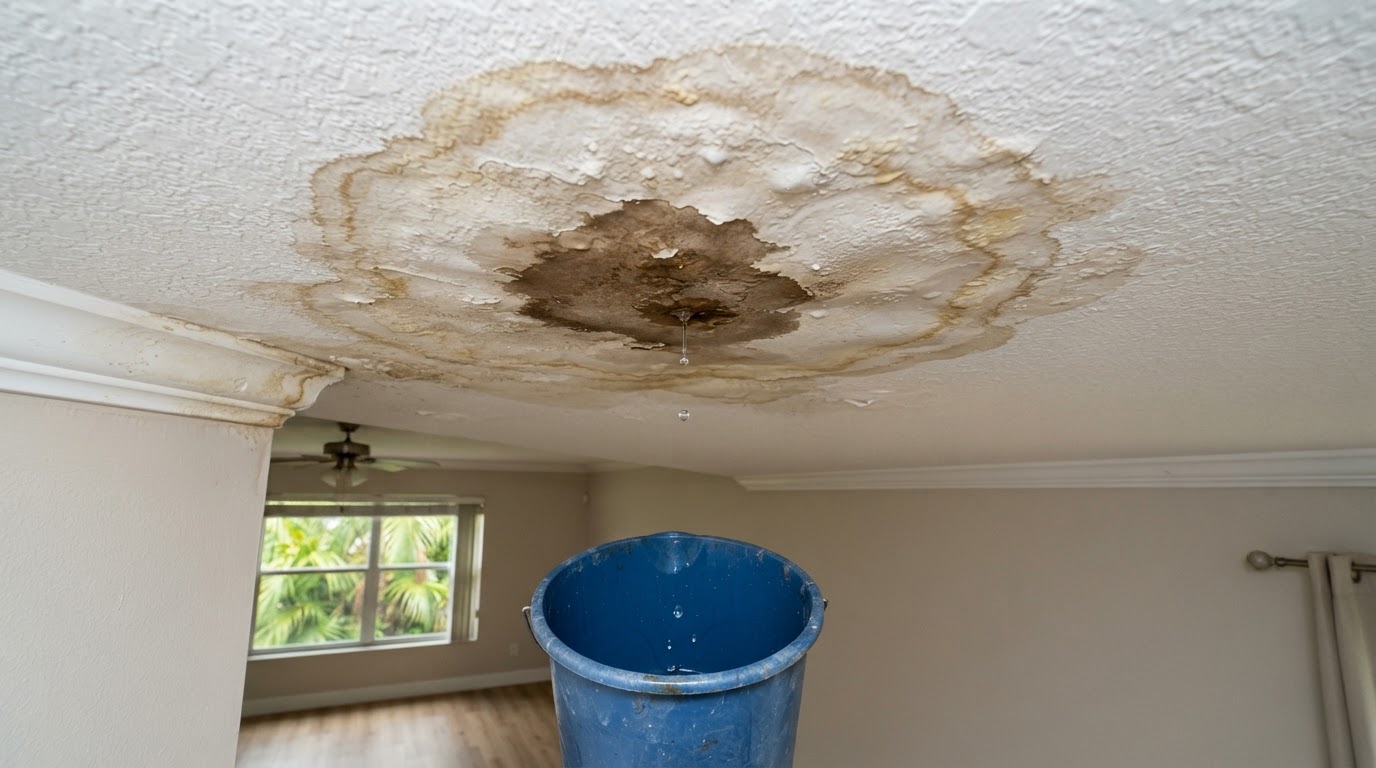
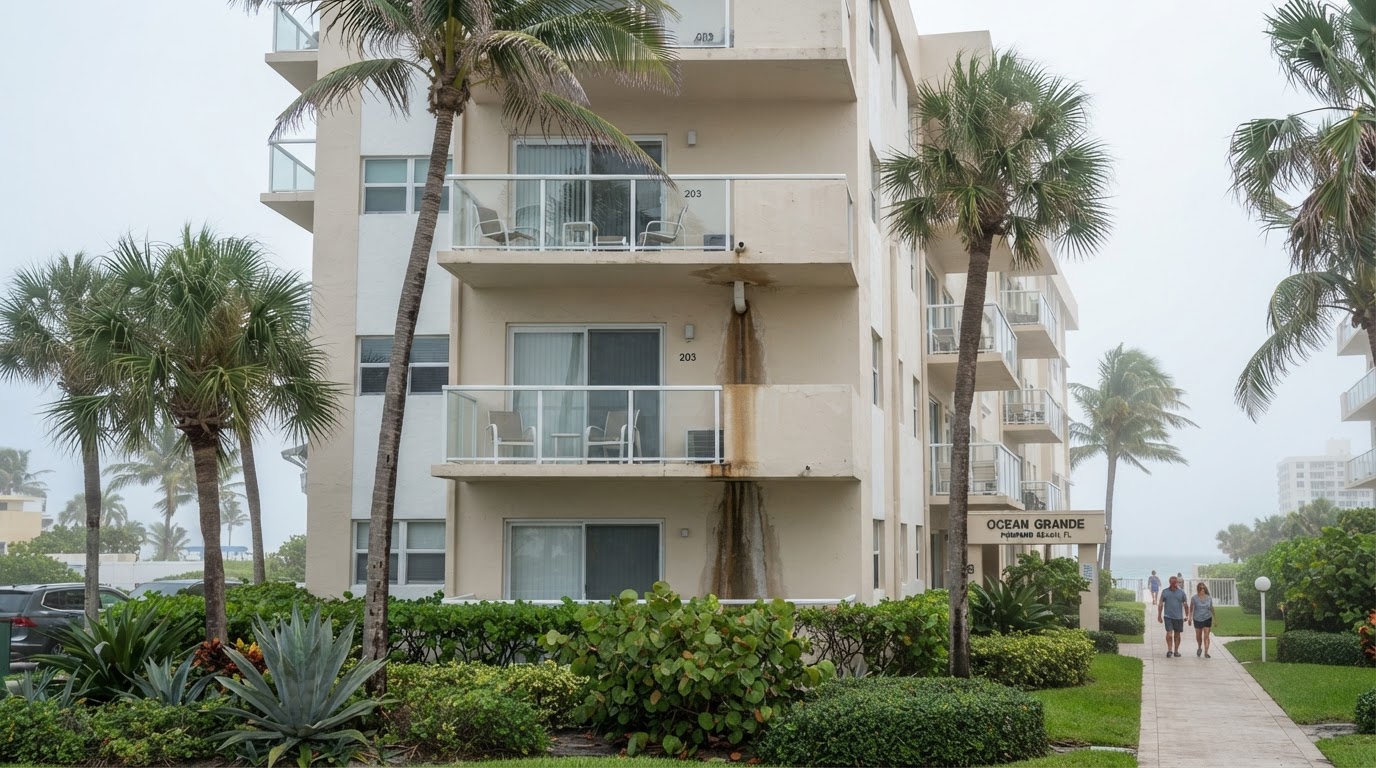
Mold does not need long to get started. Under the right conditions — and South Florida's humidity supplies those conditions almost year-round — visible growth can begin within 24 to 48 hours of a water leak. What you do in the first two days often determines whether a small leak becomes a costly mold problem.
Why the first 48 hours matter
Mold needs three things to grow: a food source (drywall, wood, paper, dust), warm temperatures, and moisture. Florida homes provide the first two almost automatically. The only variable you can quickly control is moisture. Drying wet materials before mold colonizes them is the single most effective thing a homeowner can do after a leak.
Step-by-step: the first 48 hours
0–2 hours: Stop the water and stay safe
- Shut off the water source if it is a plumbing leak, or place a bucket under an active roof leak.
- Turn off electricity to any affected outlets, switches, or appliances if water is near them.
- Move furniture and belongings away from wet areas to prevent staining and further absorption.
2–12 hours: Remove standing water
- Soak up standing water with towels, a wet/dry vacuum, or a mop.
- Pull up wet area rugs and carpet padding — padding rarely dries in time and is usually discarded.
- Open windows and run fans and dehumidifiers to start moving air across wet surfaces.
12–48 hours: Dry hidden moisture
This is where most homeowners stop too early. The surface may feel dry while the inside of a wall, under a floor, or inside a cabinet is still wet. Use a moisture meter if you have one, and focus airflow on enclosed spaces.
- Remove baseboards and drill small weep holes at the bottom of wet walls to let trapped water escape.
- Direct fans into wall cavities, under cabinets, and into closets — anywhere air does not naturally circulate.
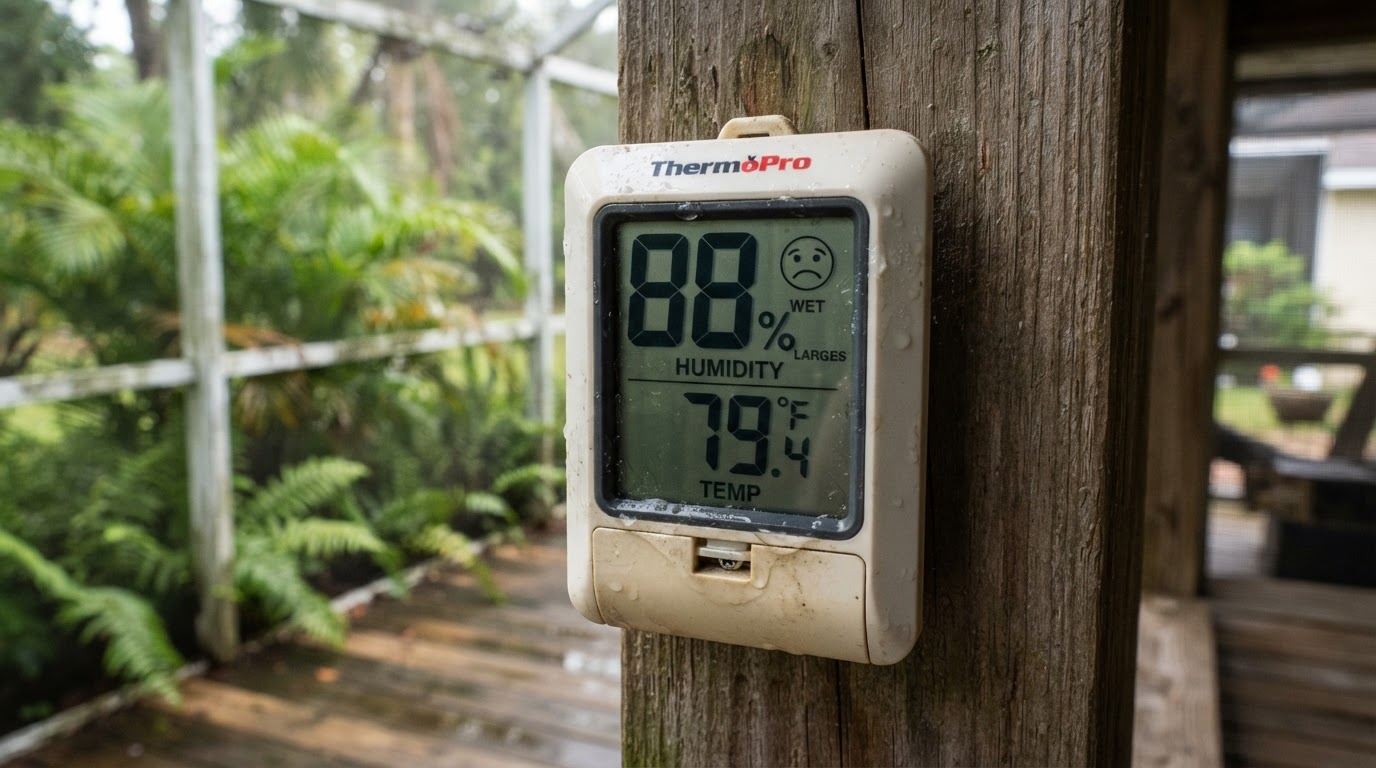
- Keep indoor humidity below 50% with dehumidifiers and air conditioning.
When to call for professional testing
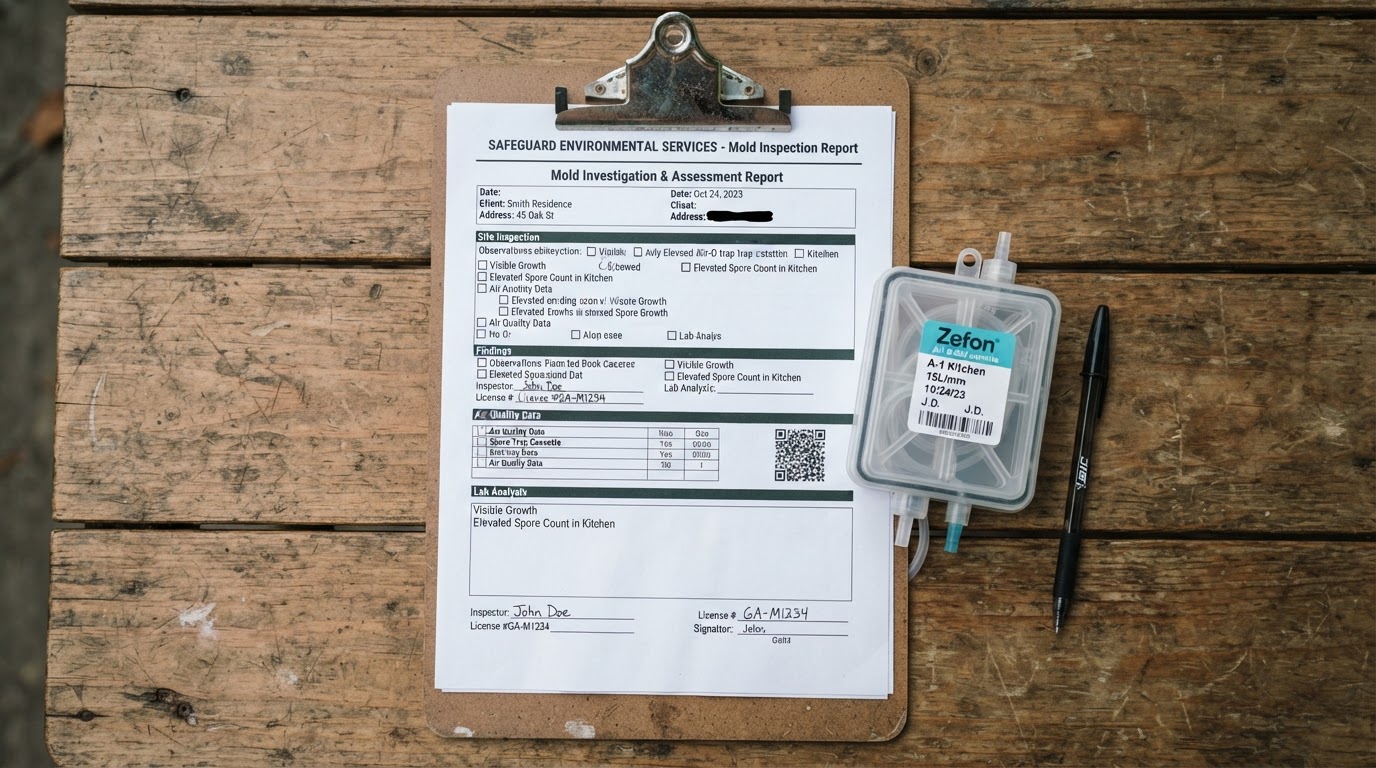
If the leak was large, lasted more than a few hours, or soaked into walls and ceilings you cannot fully dry, professional moisture mapping and mold testing is worth it. An independent assessor can use pinless moisture meters and thermal imaging to find damp materials you cannot see, and take air or surface samples to confirm whether mold has already begun to grow.
The EPA recommends drying water-damaged areas within 24–48 hours to prevent mold growth. In a humid climate, that window can be even shorter.
Document everything
Photograph the leak, the water source, and all damaged materials before you remove them. Keep receipts for fans, dehumidifiers, and any repairs. If you later file a homeowners insurance claim or need a mold inspection report for a real estate transaction, this documentation is essential.
If you are past the 48-hour mark and still unsure whether mold has taken hold, connect with our recommended local mold testing provider for an independent assessment before the problem spreads further.
Need professional mold testing in South Florida?
Connect with our recommended local mold testing provider, MoldXperts, for an independent assessment.
Looking for professional mold testing in Fort Lauderdale? Connect with our recommended local mold testing provider. We may receive compensation when you contact our featured provider.
About this article
This article is published by Best Mold Testing Fort Lauderdale as an independent educational resource. It is reviewed for accuracy and reflects publicly available guidance from agencies including the EPA, CDC, and Florida DBPR. It is not a substitute for professional advice specific to your property.
Get mold prevention tips in your inbox
The South Florida Mold & Healthy Home Newsletter — practical, no spam.