5 Ways to Lower Indoor Humidity in a Florida Home
Mold cannot grow without moisture. These five practical strategies keep South Florida indoor humidity below the mold threshold.
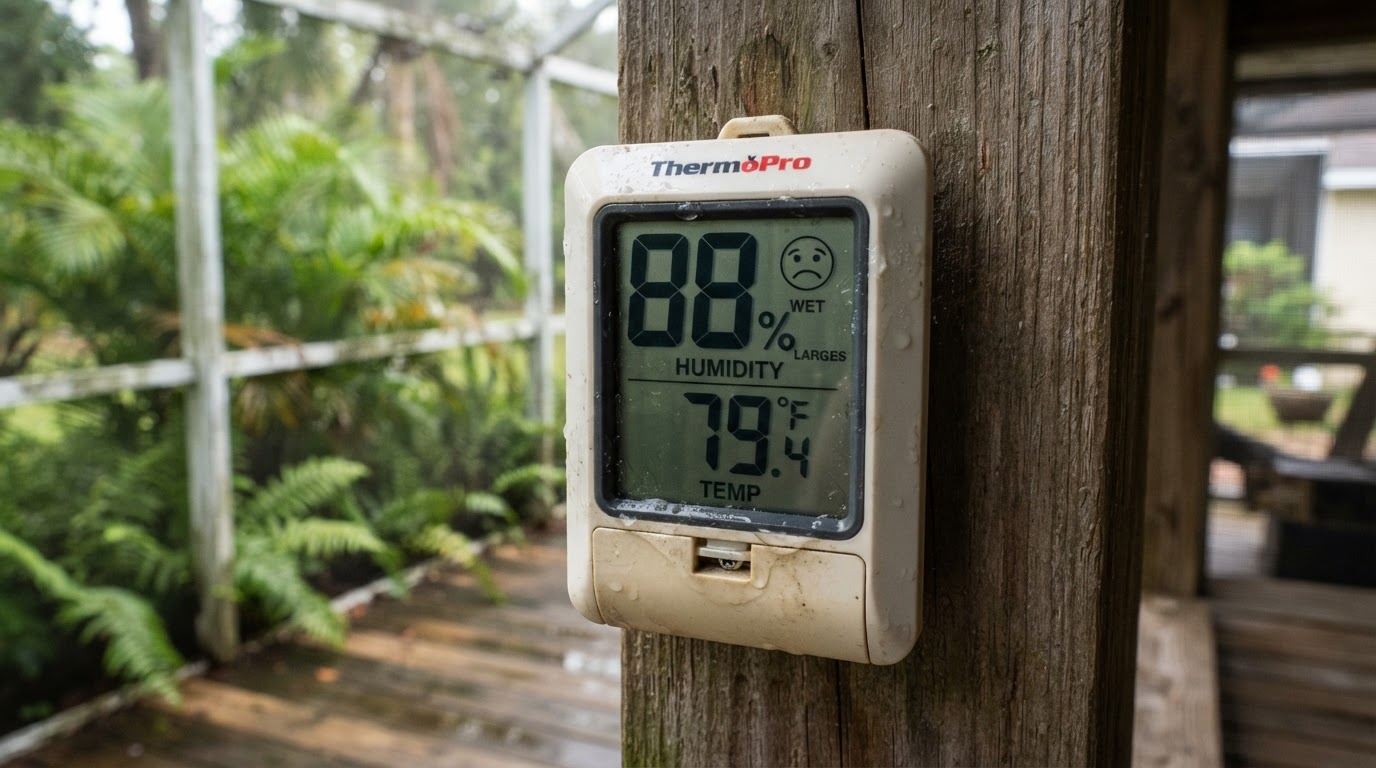
Mold needs moisture to grow, and in South Florida that moisture usually comes from the air itself. The EPA recommends keeping indoor relative humidity between 30% and 50%. Above 60%, mold has everything it needs to thrive. Here are five ways to stay below that threshold.
1. Size your air conditioner correctly
Air conditioning is your primary dehumidifier. But an oversized AC cools a room too quickly and shuts off before it has time to pull moisture out of the air — a problem called short cycling. A properly sized unit runs long enough to dehumidify. If your home feels cool but clammy, your AC may be too large for the space.
2. Run bathroom and kitchen exhaust fans
Showers and cooking add significant moisture. Run exhaust fans during and for at least 20 minutes after a shower or stovetop cooking. Make sure the fans actually vent outside — not into an attic or wall cavity, where the moisture simply moves the mold risk elsewhere.
3. Add a dedicated dehumidifier
When the AC alone cannot keep up — common during Florida's rainy season — a portable or whole-home dehumidifier gives you direct control over humidity. Set it to maintain 45–50% and empty or drain it regularly.
4. Seal air leaks
Humid outdoor air enters through gaps around windows, doors, and penetrations. Weatherstripping, caulking, and sealing ductwork reduce the volume of moist air your AC has to dehumidify. This also lowers your cooling bill.
5. Keep the AC drain line clear
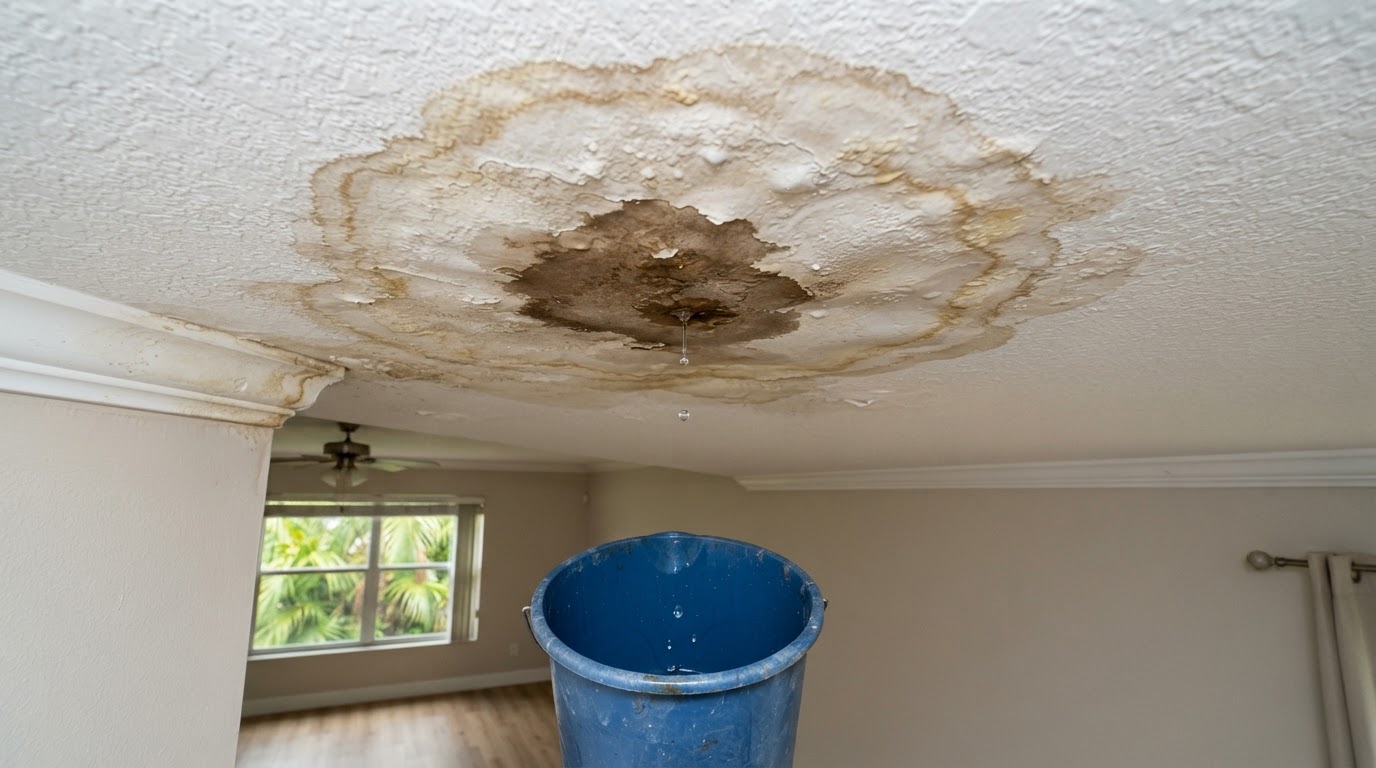
Your AC removes gallons of water from the air each day, and that water drains out through a condensate line. If the line clogs — a very common Florida problem — water backs up, overflows the drain pan, and soaks into surrounding drywall. Pour a small amount of vinegar through the line regularly and watch for overflow signs.
Indoor relative humidity above 60% is the single biggest controllable risk factor for mold in a South Florida home.
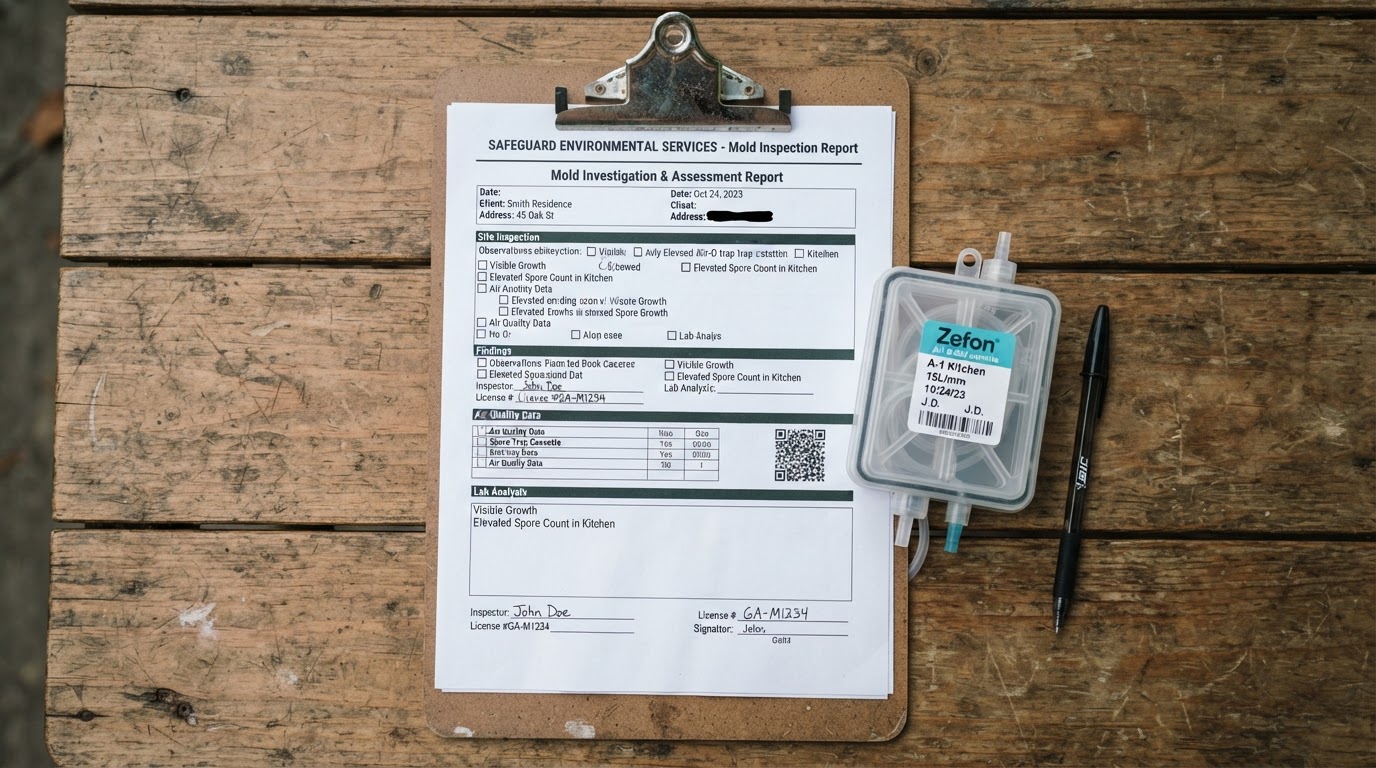
If humidity stays high despite these steps, hidden moisture from a leak or AC problem may be the cause. An independent mold assessment can locate the source.
Need professional mold testing in South Florida?
Connect with our recommended local mold testing provider, MoldXperts, for an independent assessment.
Looking for professional mold testing in Fort Lauderdale? Connect with our recommended local mold testing provider. We may receive compensation when you contact our featured provider.
About this article
This article is published by Best Mold Testing Fort Lauderdale as an independent educational resource. It is reviewed for accuracy and reflects publicly available guidance from agencies including the EPA, CDC, and Florida DBPR. It is not a substitute for professional advice specific to your property.
Get mold prevention tips in your inbox
The South Florida Mold & Healthy Home Newsletter — practical, no spam.