Scheduled article — publishes on March 7, 2027. Not yet visible on the public blog feed.
Mold Testing in Pembroke Pines: Planned Neighborhoods and Western Storm Exposure
Pembroke Pines' planned neighborhoods face intense afternoon storms and high AC load. Here is what local homeowners should watch for.
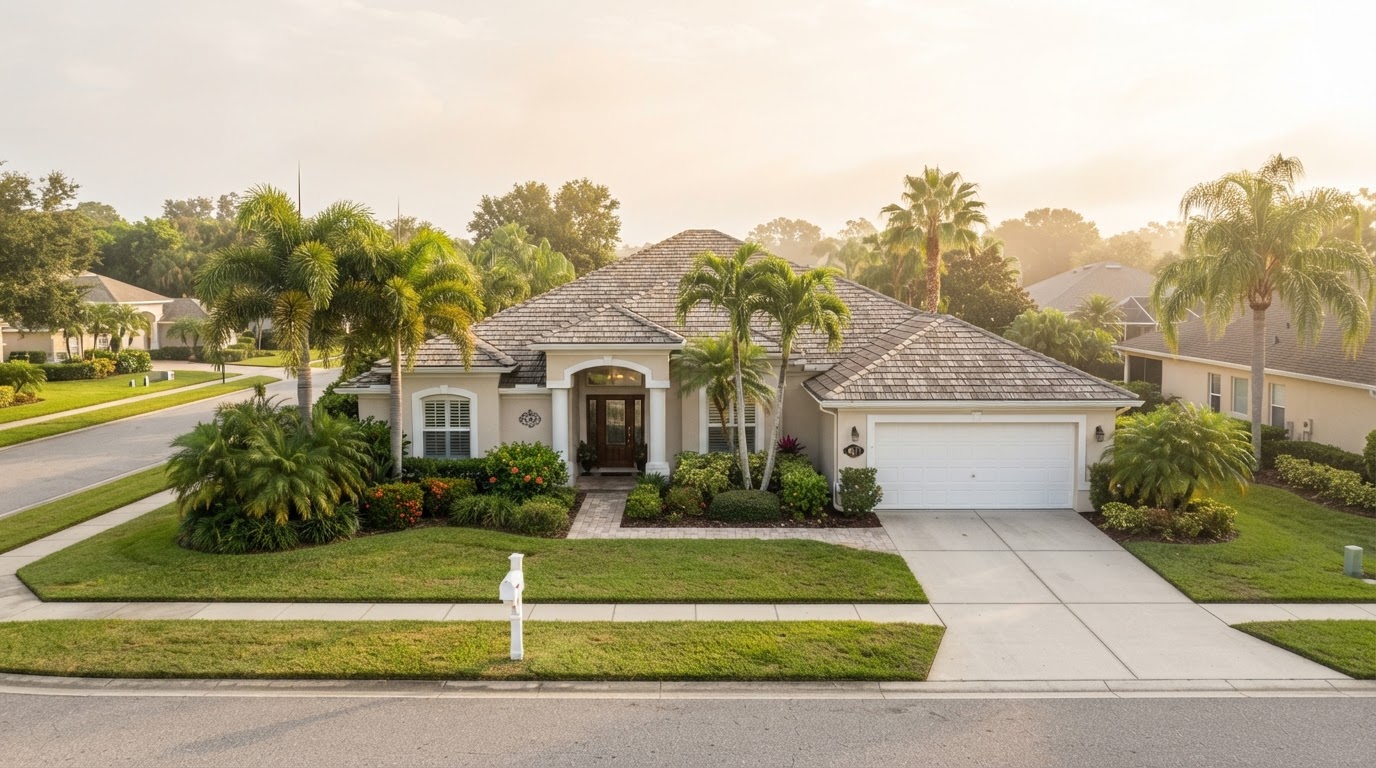
Pembroke Pines is one of Broward's largest cities, with planned neighborhoods stretching west toward the Everglades' edge. Its inland position brings intense afternoon storms and high summer AC load, while its planned-neighborhood landscaping adds irrigation-related moisture paths. This article explains what is specific about mold risk in Pembroke Pines and when testing makes sense.
Western storm intensity
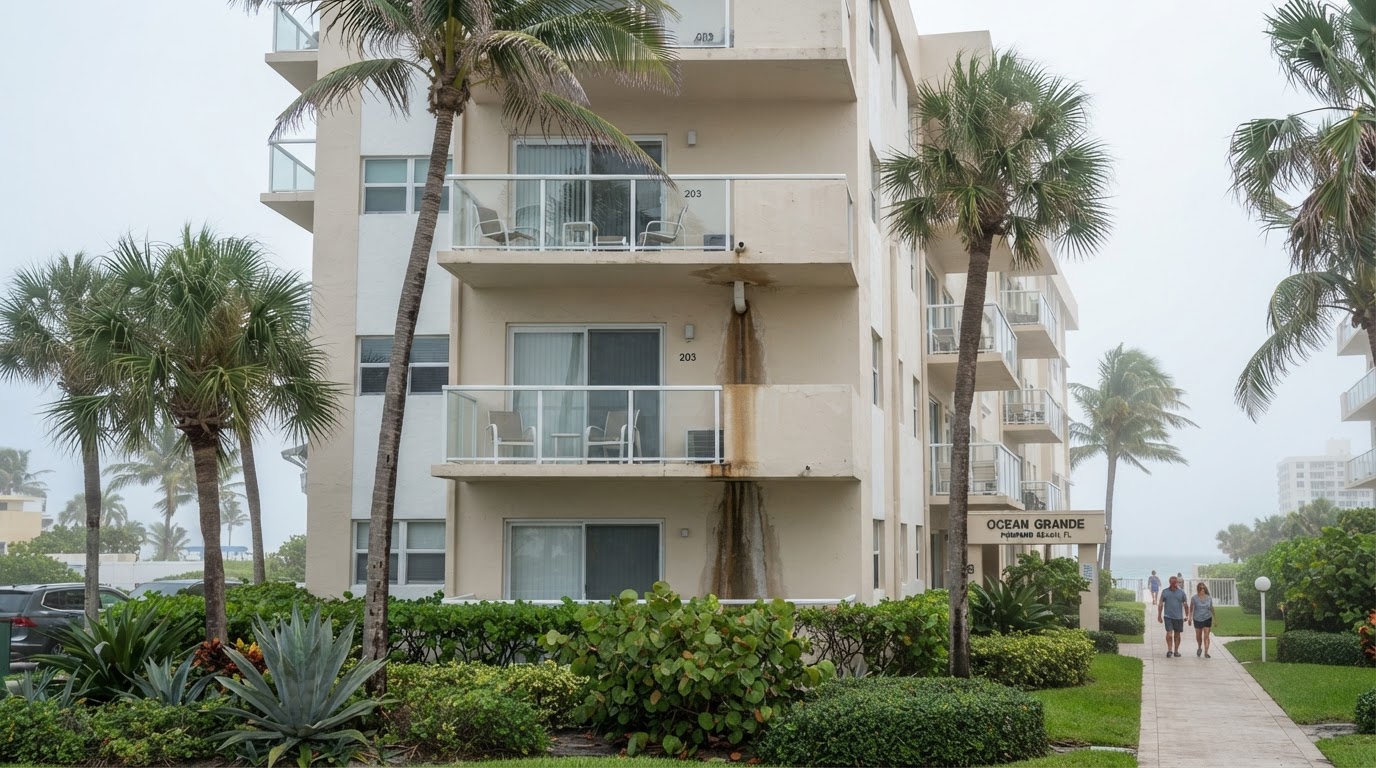
Western Broward gets intense afternoon thunderstorms that test roof flashing, window seals, and gutters. Even well-built homes can take wind-driven rain through a failed seal, wetting a wall cavity out of sight. Storm-related moisture is a leading mold driver in this area.
High summer AC load
Inland heat makes AC systems run harder and longer. Condensate systems work continuously, and failures — clogged lines, cracked pans — are the most common indoor moisture source. An AC that is marginal in March can fail in August.
Irrigation and landscaping
Planned neighborhoods are heavily landscaped, and sprinkler overspray or planting beds against exterior walls can keep walls permanently damp — feeding hidden mold growth in the wall cavity.
Warning signs for Pembroke Pines homeowners
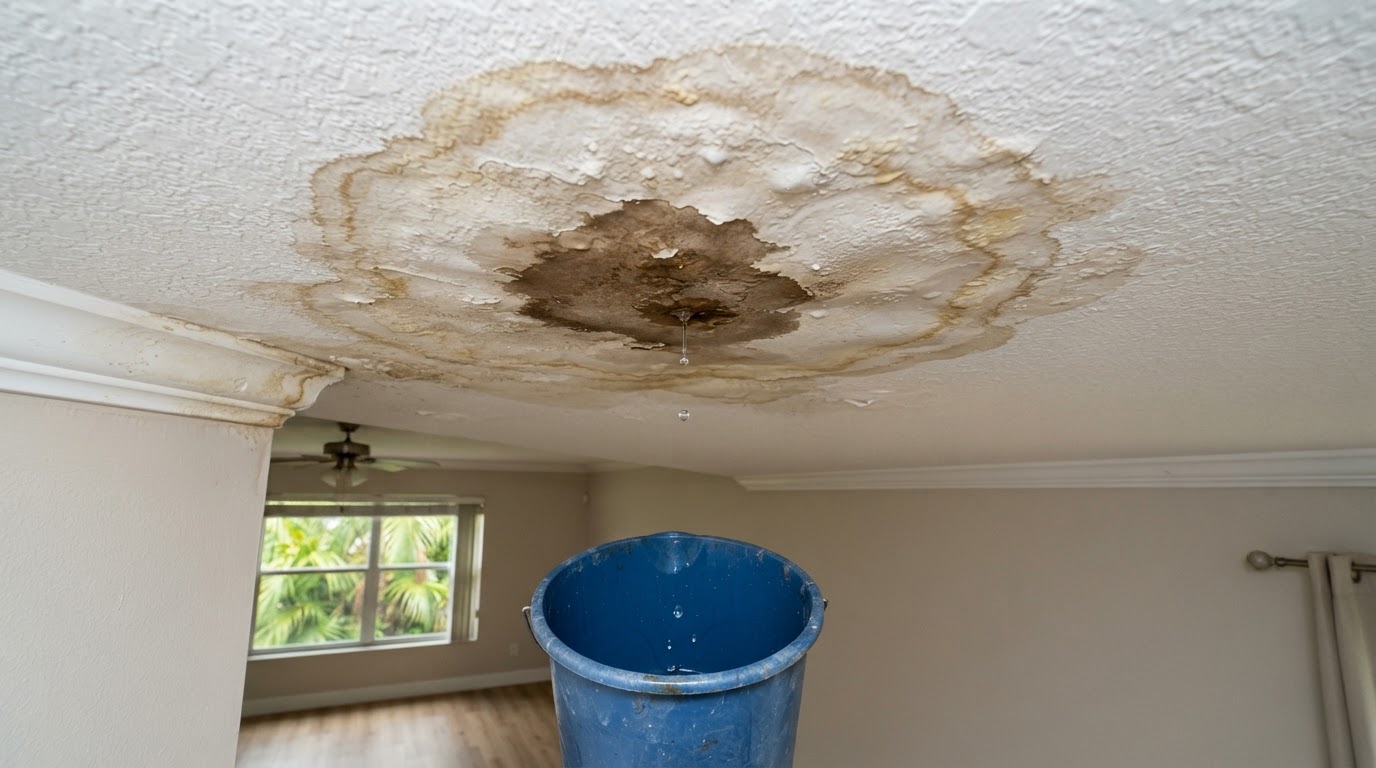
- Water stains on ceilings after storms.
- A musty smell when the AC turns on.
- Discoloration on walls adjacent to planting beds or irrigation.
- Indoor humidity reads above 55–60% on a hygrometer.
- A musty odor that persists after AC service.
Pembroke Pines stacks three mold drivers: intense western storms, an AC that runs harder inland, and landscaping that keeps walls damp. All three are worth checking.
The Everglades edge and summer convection storms
Pembroke Pines sits at the western edge of Broward's developed corridor, close to the Everglades, and that position changes the storms the home experiences. The warm, moist air over the Everglades fuels intense afternoon convection thunderstorms that build quickly and drop heavy rain in a short window. These storms test roof drainage — especially flat roof sections and scuppered roofs — because the rain comes fast enough to overwhelm a partially clogged drainage path before it clears. The intense, short-duration storms also test window seals and stucco walls with wind-driven rain from the west and southwest. If your Pembroke Pines home faces west or southwest, that facade is the one that takes the heaviest wind-driven rain during afternoon storms, and it is the wall to inspect first for seal and flashing condition before storm season.
- Western and southwestern facades take the heaviest wind-driven rain during afternoon convection storms.
- Flat or scuppered roof sections can be overwhelmed by intense short-duration storms if drainage is partially clogged.
- After a heavy afternoon storm, check west-facing walls for dampness that does not dry within a day.
- Have the roof inspected before storm season — the Everglades-edge storms come fast and hard.
Planned-neighborhood irrigation and the wall cavity
Pembroke Pines' planned neighborhoods are known for their lush landscaping, and the irrigation that keeps that landscaping green runs on a set schedule — often before dawn. The problem is that the schedule is set for the community, not adjusted for each home's orientation or for the season, so sprinkler heads that have shifted can hit the same section of wall every night through the growing season. A wall that gets wet at 4 a.m. and never fully dries before the humidity settles in is a wall with a damp cavity — and that is where hidden mold grows. The pattern in Pembroke Pines is a room-specific musty smell that does not respond to AC service or interior cleaning, because the source is outside the wall, not inside the home. Walk the perimeter at irrigation time and check whether any heads are hitting the wall near the room that smells musty. Redirecting a sprinkler head is one of the cheapest fixes for one of the most common hidden moisture sources in a planned neighborhood.
Prevention for Pembroke Pines homeowners
- Check roof flashing, window seals, and gutters before storm season — especially on west-facing walls.
- Have the AC serviced before summer — condensate systems are the top moisture source.
- Redirect any sprinkler heads that hit the home — walk the perimeter at irrigation time.
- Keep planting beds at least 12 inches from exterior walls.
- Keep indoor humidity below 50% and monitor with a hygrometer.
When to test
- After any storm-related water intrusion, especially on a west-facing wall.
- When a musty odor appears in a specific room, especially when the AC runs.
- When discoloration appears near landscaping or irrigation.
- Before buying a Pembroke Pines home.
Frequently asked questions
Why do western Broward storms cause more mold?+
Inland afternoon convection storms are intense and come fast, testing roof drainage, window seals, and gutters. Wind-driven rain through a failed seal wets a wall cavity out of sight, and west-facing walls take the heaviest load.
Does my AC work harder in Pembroke Pines than on the coast?+
Generally yes. Inland heat makes AC systems run harder and longer, increasing condensate failures — the top indoor moisture source.
Can irrigation cause a room-specific musty smell?+
Yes. A sprinkler head hitting a wall every night keeps that wall's cavity damp, and the mold grows out of sight. The smell is room-specific because the moisture is wall-specific. Walk the perimeter at irrigation time and redirect any heads hitting the home.
Should I test a Pembroke Pines home before buying it?+
Yes. Storm exposure, AC condition, and irrigation are worth checking. A pre-purchase inspection can confirm moisture is managed before you close.
Related resources
If you own or are buying a home in Pembroke Pines, connect with our recommended local mold testing provider for an assessment that covers western storm exposure, AC performance, and irrigation-related wall moisture.
Need professional mold testing in South Florida?
Connect with our recommended local mold testing provider, MoldXperts, for an independent assessment.
Looking for professional mold testing in Fort Lauderdale? Connect with our recommended local mold testing provider. We may receive compensation when you contact our featured provider.
About this article
This article is published by Best Mold Testing Fort Lauderdale as an independent educational resource. It is reviewed for accuracy and reflects publicly available guidance from agencies including the EPA, CDC, and Florida DBPR. It is not a substitute for professional advice specific to your property.
Get mold prevention tips in your inbox
The South Florida Mold & Healthy Home Newsletter — practical, no spam.