Scheduled article — publishes on January 3, 2027. Not yet visible on the public blog feed.
Mold Testing in Wilton Manors: Island Living, High Water Tables, and Older Homes
Wilton Manors is surrounded by the Middle River, with high water tables and post-war housing. Here is what island-city homeowners should watch for.
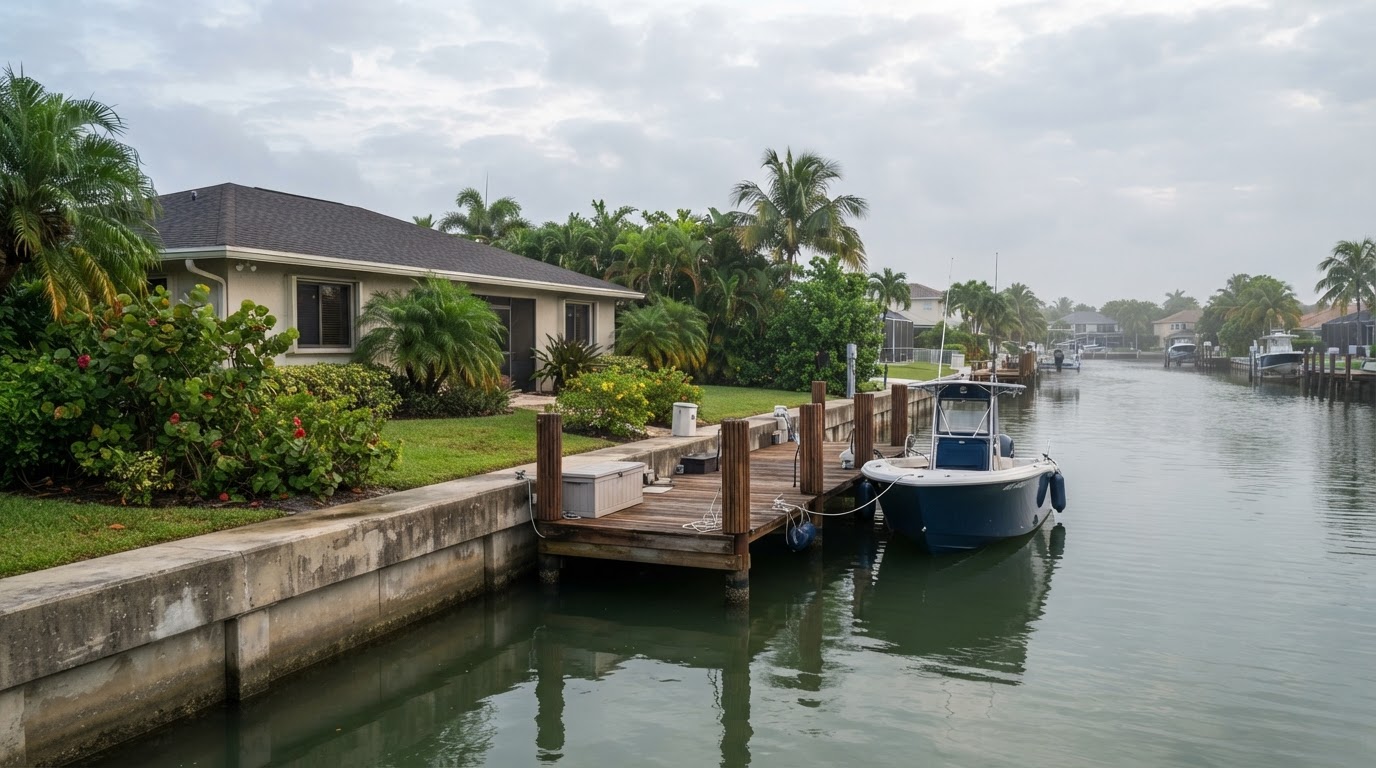
Wilton Manors is a small island city surrounded by the Middle River, with older post-war housing and high water tables. Its island geography and aging homes create a distinct mold risk profile that differs from inland Broward. This article explains what is specific about mold risk in Wilton Manors and when testing makes sense.
The island water table
Surrounded by water, Wilton Manors has consistently high ambient humidity and a high water table. Slab foundations are never far from saturated soil, and during heavy rain or high tides, moisture pushes against slab edges and wicks into bottom plates and lower drywall. Drainage is slow, so water lingers in yards after storms.
Renovation moisture traps
Housing is predominantly 1950s–70s single-family homes, many renovated over the years. Renovations that added insulation or drywall without addressing moisture management can trap dampness in wall cavities — the original structure breathed, the renovation sealed it in. A musty odor that appears after a renovation is a common pattern here.
Small-lot airflow
Tight lot spacing limits airflow between homes, keeping shaded walls damp longer after rain and humidity. Vegetation planted close to walls compounds the problem by blocking drying.
Warning signs for Wilton Manors homeowners
- Damp or discolored baseboards and lower walls, especially after storms or high tides.
- A musty smell that appeared or worsened after a renovation.
- A musty odor near the floor in rooms facing the water.
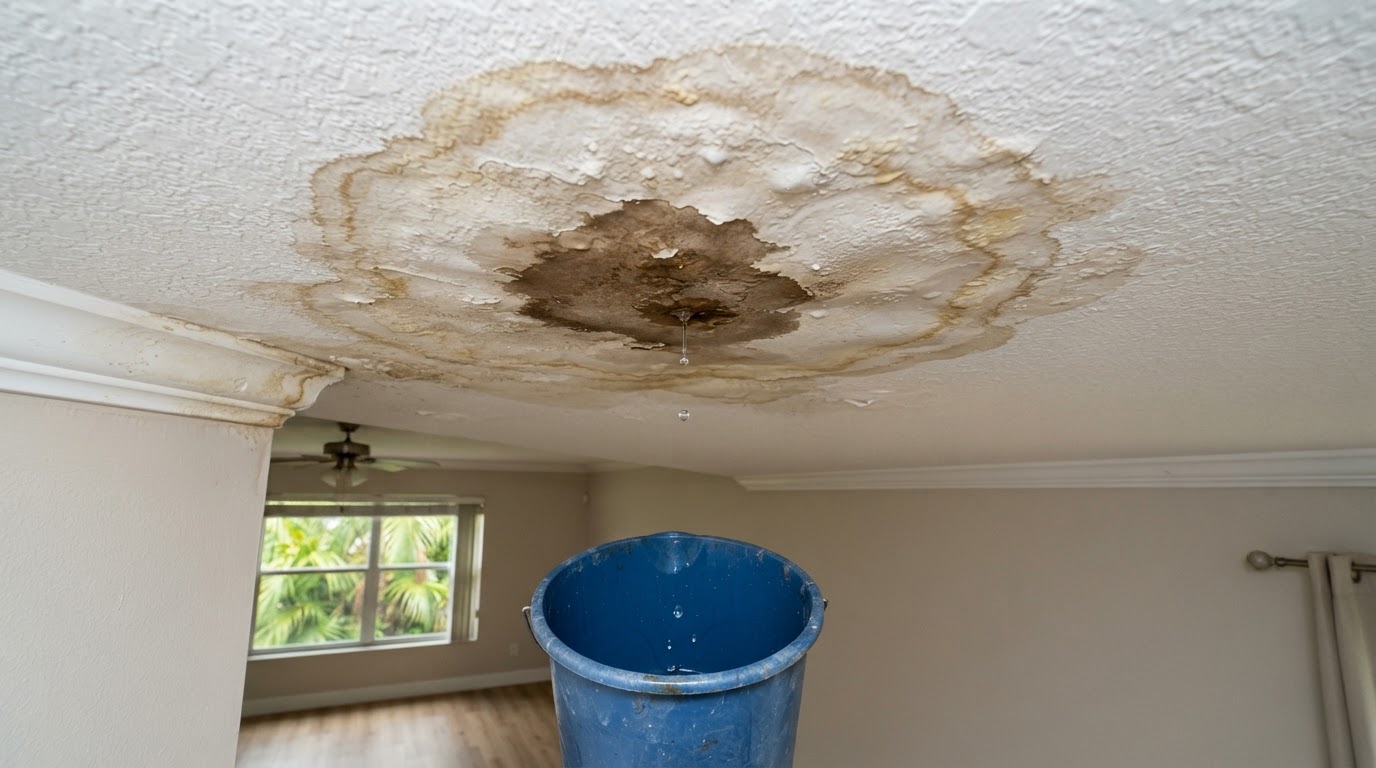
- Water stains on ceilings from aging roofs.
- Soft or warped flooring near exterior walls.
In an island city with high water tables, the moisture source is often below the floor — and renovations that sealed older walls can trap it there.
The Middle River and island drainage
Wilton Manors is nearly surrounded by the Middle River, which keeps the island's water table high and its ambient humidity elevated year-round. After a storm, the island drains slowly because water has few places to go, and canal-adjacent lots can stay saturated for days. That geography is the backdrop for every moisture problem in the city — the water is never far below the surface, and the air is never far from saturated.
Why renovations on island homes trap moisture
Post-war Wilton Manors homes were built to breathe — older wall assemblies exchanged air with the outside, which let moisture escape naturally. Decades of renovation have added insulation, vapor barriers, and drywall that seal those assemblies tighter. When moisture enters a sealed wall cavity — from a slow leak, slab wicking, or simply high indoor humidity — it can no longer dry to the outside and stays trapped. This is why a musty odor that appears after a renovation is such a common pattern here.
- Before sealing an older wall tighter, confirm the cavity can still dry to one side or the other.
- A vapor barrier installed on the wrong side of a wall in a humid climate traps moisture instead of blocking it.
- Renovations that raise insulation without improving ventilation often shift a home from dry-but-drafty to tight-but-damp.
Monitoring humidity in a compact island home
Because Wilton Manors lots are small and the ambient humidity is high, indoor humidity can drift up without any leak at all. A hygrometer in a main living area catches the drift early, and a dehumidifier in the dampest room — often the one nearest the water — keeps the overall home below the mold threshold. For an island home, monitoring humidity is not optional maintenance; it is the single most effective mold-prevention step you can take.
- Place a hygrometer where airflow is poorest, not just in the open living room.
- If one room reads higher than the rest, that room's exterior wall or slab edge is the likely source.
- A dehumidifier with a drain beats one you empty by hand, because it runs continuously instead of stopping when the bucket fills.
Prevention for Wilton Manors homeowners
- Use a dehumidifier if the slab or lower walls stay damp.
- Ensure renovations included vapor management behind drywall.
- Trim vegetation between homes to improve airflow.
- Keep gutters and downspouts clear and direct water away from the slab.
- Inspect older roofs and plumbing proactively.
When to test
- After any storm, king tide, or heavy rain that raised the water level.
- When baseboards or lower walls feel damp or look discolored.
- When a musty odor appears after a renovation.
- Before buying a post-war Wilton Manors home, especially a renovated one.
Frequently asked questions
Why does living on an island increase mold risk?+
Surrounding water keeps the water table high and ambient humidity elevated. Slabs sit near saturated soil, so moisture wicks into lower walls, and drainage is slow after storms.
Can a renovation cause hidden mold?+
Yes. Adding insulation and drywall to an older home without moisture management can trap dampness in wall cavities. A musty odor that appears after a renovation is a common sign.
Should I test a renovated Wilton Manors home before buying it?+
Yes. Renovations on post-war island homes sometimes seal in moisture. A pre-purchase inspection with moisture mapping can find trapped dampness before you close.
What is the best dehumidifier strategy for an island home?+
Keep indoor humidity below 50% with the AC, and add a portable dehumidifier in rooms where lower walls or the slab area stay damp. Empty or drain it regularly.
Related resources
If you own or are buying a home in Wilton Manors and suspect hidden moisture, connect with our recommended local mold testing provider for an assessment that checks the slab, the walls, and the renovation history.
Need professional mold testing in South Florida?
Connect with our recommended local mold testing provider, MoldXperts, for an independent assessment.
Looking for professional mold testing in Fort Lauderdale? Connect with our recommended local mold testing provider. We may receive compensation when you contact our featured provider.
About this article
This article is published by Best Mold Testing Fort Lauderdale as an independent educational resource. It is reviewed for accuracy and reflects publicly available guidance from agencies including the EPA, CDC, and Florida DBPR. It is not a substitute for professional advice specific to your property.
Get mold prevention tips in your inbox
The South Florida Mold & Healthy Home Newsletter — practical, no spam.