Scheduled article — publishes on March 10, 2027. Not yet visible on the public blog feed.
Mold Testing in Wilton Manors: Island City Homes and the Middle River
Wilton Manors sits between forks of the Middle River with older homes and high humidity. Here is what local homeowners should watch for.
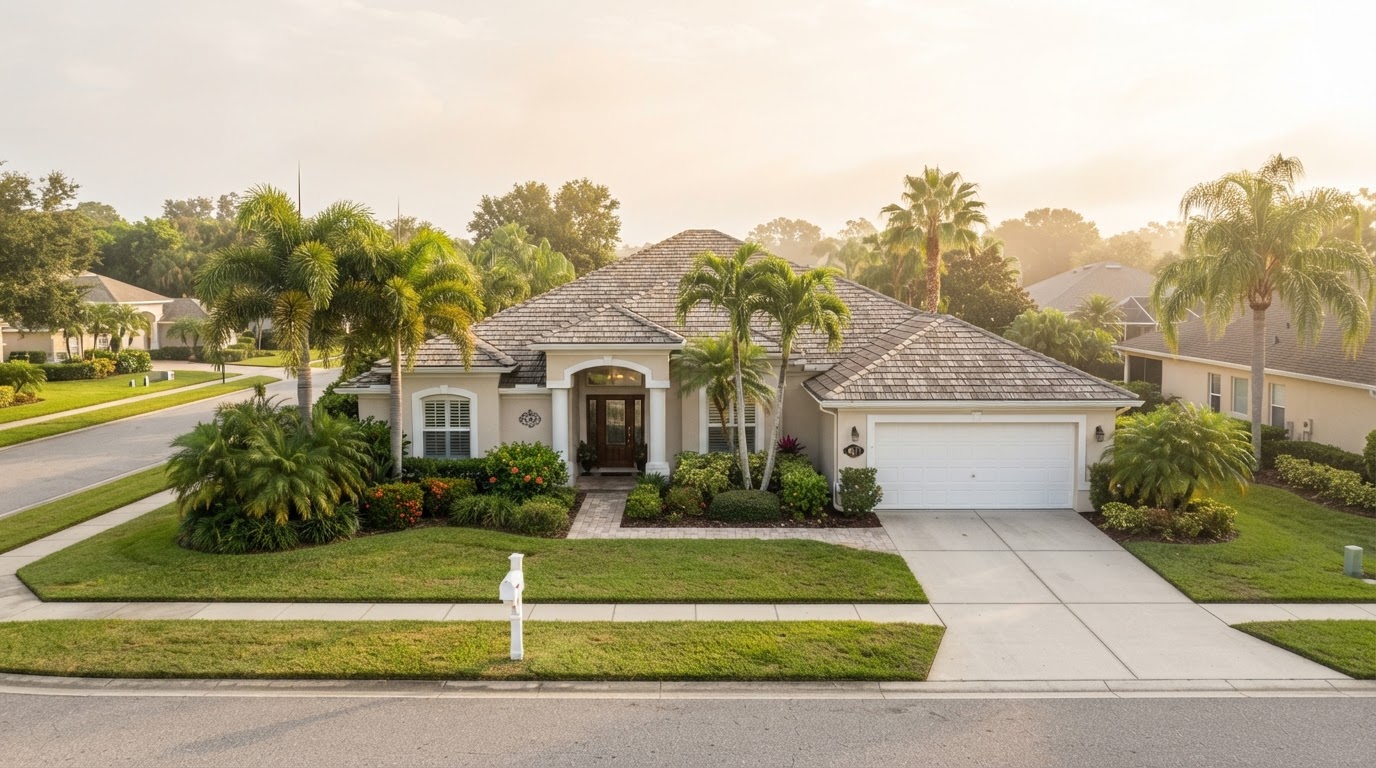
Wilton Manors calls itself the "Island City" — a compact municipality surrounded by forks of the Middle River. That geography, combined with mid-century housing and coastal humidity, creates a specific mold risk profile. This article explains what is specific about mold risk in Wilton Manors and when testing makes sense.
River-adjacent water tables
Homes on or near the river sit close to the water table. Ground moisture can wick up through slabs into bottom plates and lower drywall, especially during heavy rain and king tides when the river runs high. Damp baseboards and lower walls are a classic sign in this city.
Mid-century housing
Wilton Manors' housing is largely mid-century, with aging roofs, original plumbing, and construction-era materials that hold moisture. Slab foundations without modern moisture barriers add to the wicking risk.
Coastal humidity and AC load
The city's position near the coast keeps ambient humidity high, and the AC runs nearly year-round. Condensate failures are the most common indoor moisture source, and an overflow in an air handler closet can soak drywall for weeks before anyone notices.
Warning signs for Wilton Manors homeowners
- Damp or discolored baseboards and lower walls.
- A persistent musty odor you cannot trace to a visible source.
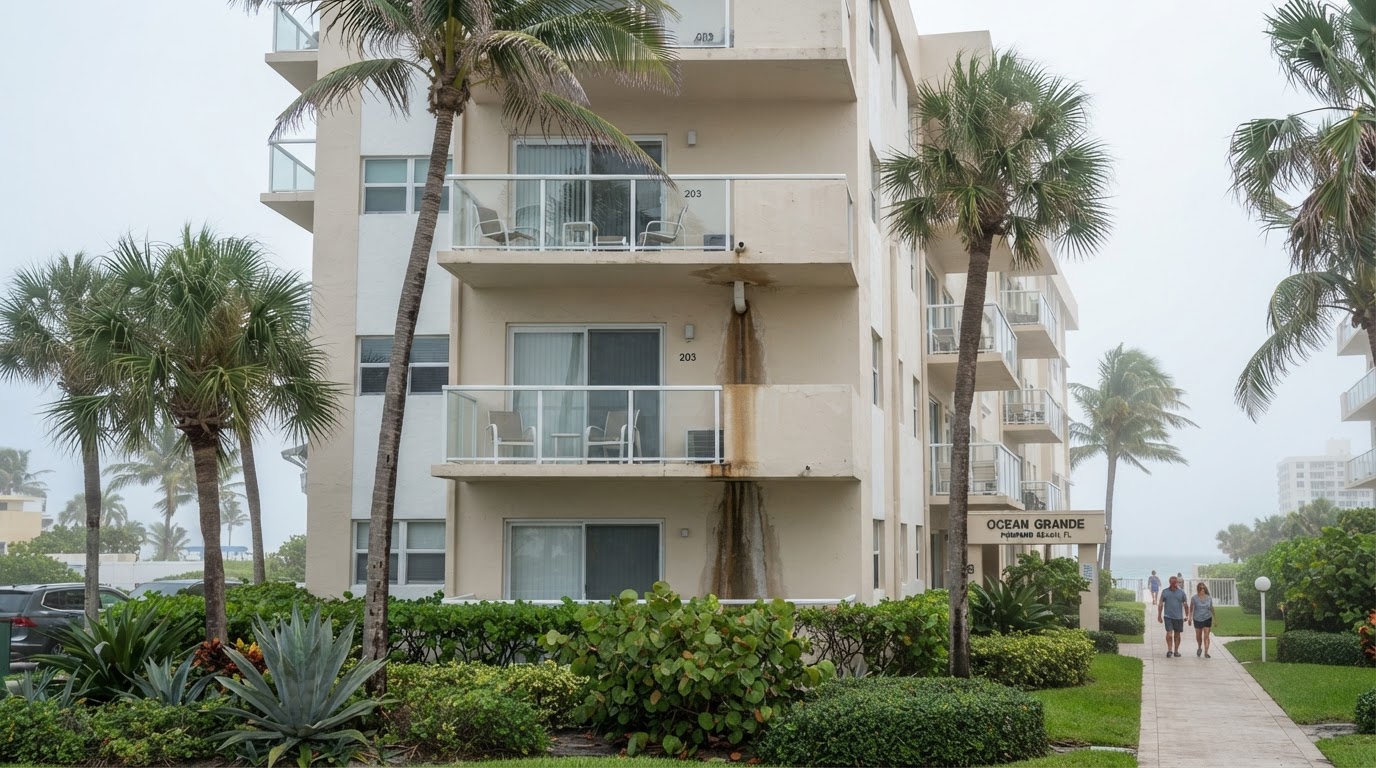
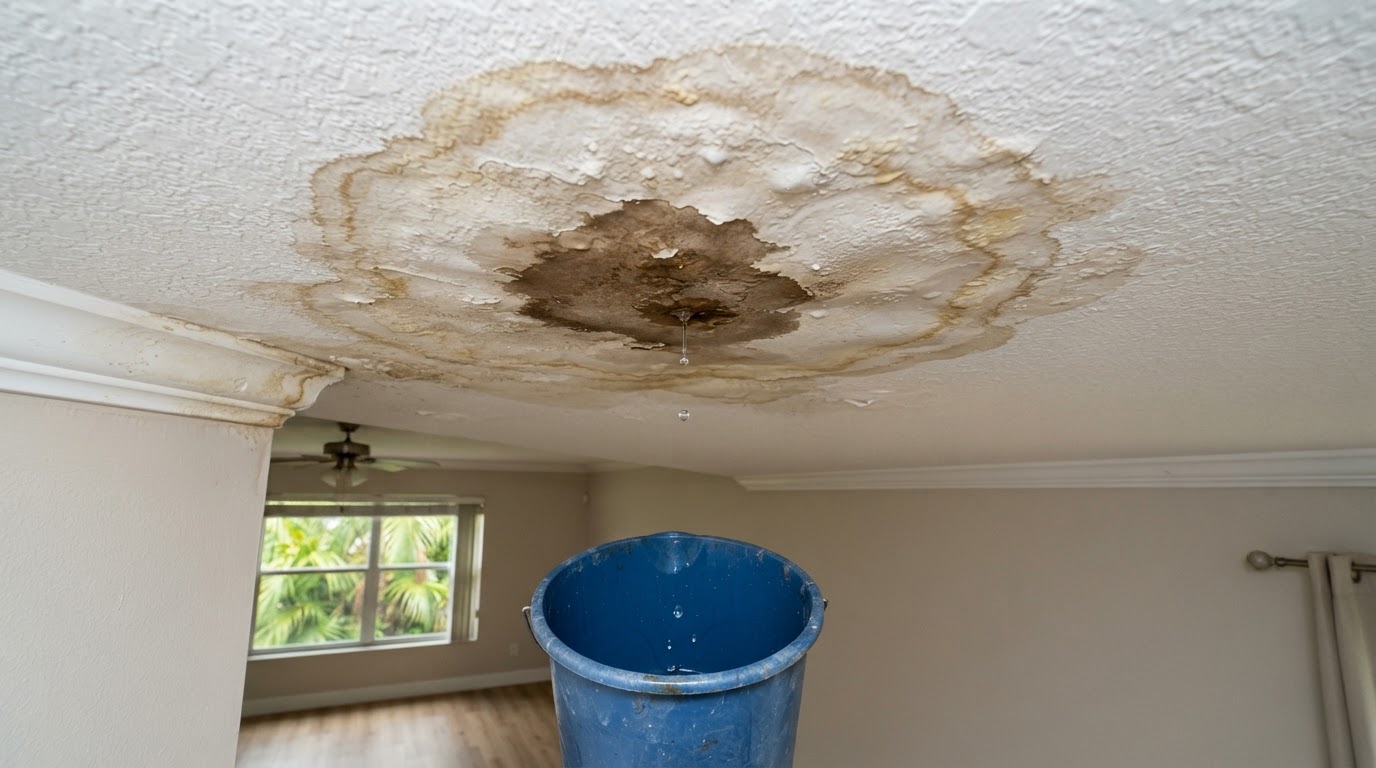
- Water stains on ceilings after storms or king tides.
- A musty smell when the AC turns on.
- Slow drains or recurring plumbing issues.
In the Island City, the water is not just outside your door — it is under your slab. River-adjacent water tables make lower-wall moisture a year-round concern.
King tides and the riverine water table
Wilton Manors is wrapped in forks of the Middle River, and the river is tidal — it connects to the Intracoastal and rises and falls with the tide. During king tides — the highest astronomical tides of the year, typically in the fall — the river rises well above its normal level, and the groundwater beneath the city rises with it. A home that sits dry through the spring can develop damp baseboards and lower walls during a king tide week because the water table pushes moisture up through the slab. This is not a roof leak or a plumbing failure — it is the river's influence on the groundwater, and it recurs with every king tide cycle. If your Wilton Manors home develops lower-wall dampness that appears during high-tide periods and recedes afterward, the source is the riverine water table, not a leak. The fix is dehumidification and drainage management, not roof repair. Testing can confirm the difference before you spend on the wrong fix.
- King tides raise the Middle River and the groundwater beneath the city — lower-wall dampness during high-tide periods is often water-table driven, not a leak.
- This pattern recurs with every king tide cycle, typically in the fall.
- The fix for water-table dampness is dehumidification and drainage, not roof repair.
- A moisture assessment can confirm whether the source is the slab rather than a leak.
Canals, seawalls, and the waterfront lot
Many Wilton Manors homes are on canal-front or river-front lots with private seawalls, and those seawalls are part of the mold equation. A seawall in good condition holds the water back, but one that is aging or losing its cap can weep groundwater toward the foundation — especially at high tide. The first sign is usually lower-wall discoloration on the water-facing side of the home, even when there is no roof leak and no plumbing issue. Because Wilton Manors is compact and so many homes are waterfront, seawall condition is a city-wide mold factor: the water-facing wall is the one to check first for moisture intrusion, and an aging seawall is worth a marine contractor's inspection as part of any mold-prevention plan for a waterfront lot.
Mid-century systems and the renovation that sealed the moisture
Wilton Manors' mid-century homes were built to breathe — walls exchanged air with the outside and moisture dried naturally. Decades of renovation have added insulation, vapor barriers, and tight drywall that seal those assemblies. When moisture enters a sealed wall cavity — from a slow leak, slab wicking, or high indoor humidity — it can no longer dry to the outside and stays trapped. A musty odor that appears after a renovation is a common pattern in these homes, and it means the wall assembly can no longer dry to either side. If your Wilton Manors home developed a musty smell after a renovation, the renovation may have sealed in a moisture path that was previously drying naturally — and the fix may be letting the assembly breathe again rather than sealing it tighter.
Prevention for Wilton Manors homeowners
- Check baseboards and lower walls for dampness after heavy rain and king tides.
- Have older roofs inspected before storm season.
- Address slow drains and recurring plumbing issues promptly.
- Keep indoor humidity below 50% and monitor with a hygrometer.
- Keep the condensate line clear and filters changed.
- Have waterfront seawalls inspected by a marine contractor for seepage.
When to test
- After heavy rain or king tides.
- After any roof or plumbing leak.
- When lower walls feel damp or a musty odor persists, especially after a renovation.
- Before buying a mid-century Wilton Manors home.
Frequently asked questions
Does living near the Middle River increase mold risk?+
It can. River-adjacent homes sit close to the water table, and ground moisture can wick up through slabs into lower walls, especially during heavy rain and king tides.
What is a king tide and why does it matter for mold?+
King tides are exceptionally high tides that raise the river and the groundwater beneath the city. Lower-wall dampness that appears during king tide weeks is often water-table driven, not a leak — the fix is dehumidification, not roof repair.
Why did my home smell musty after a renovation?+
Mid-century homes were built to breathe. A renovation that seals the walls tighter can trap a moisture path that was previously drying naturally. The fix may be letting the assembly breathe, not sealing it further.
Does a waterfront seawall affect indoor mold?+
Yes. An aging or weeping seawall lets groundwater migrate toward the slab, and the water-facing wall is the first place moisture intrusion appears. Have waterfront seawalls inspected by a marine contractor.
Should I test a Wilton Manors home before buying it?+
Yes. River-adjacent water tables, seawall condition, and mid-century systems all add moisture paths. A pre-purchase inspection with moisture mapping can find hidden problems before you close.
Related resources
If you own or are buying a home in Wilton Manors, connect with our recommended local mold testing provider for an assessment that includes slab moisture, riverine water-table influence, and seawall-related seepage.
Need professional mold testing in South Florida?
Connect with our recommended local mold testing provider, MoldXperts, for an independent assessment.
Looking for professional mold testing in Fort Lauderdale? Connect with our recommended local mold testing provider. We may receive compensation when you contact our featured provider.
About this article
This article is published by Best Mold Testing Fort Lauderdale as an independent educational resource. It is reviewed for accuracy and reflects publicly available guidance from agencies including the EPA, CDC, and Florida DBPR. It is not a substitute for professional advice specific to your property.
Get mold prevention tips in your inbox
The South Florida Mold & Healthy Home Newsletter — practical, no spam.