Scheduled article — publishes on January 18, 2027. Not yet visible on the public blog feed.
Mold Testing in Tamarac: Condos, Seasonal Occupancy, and Aging Systems
Tamarac's active-adult communities and garden condos face mold from seasonal vacancy and shared systems. Here is what residents should watch for.

Tamarac is known for its active-adult (55+) communities, garden-style condos, and older single-family homes. Its demographic and housing mix means seasonal occupancy, shared systems, and aging infrastructure are the dominant mold concerns. This article explains what is specific about mold risk in Tamarac and when testing makes sense.
Seasonal vacancy
Many residents travel north for the summer, leaving units vacant with the AC off or set high. Without dehumidification, indoor humidity spikes above 70%, and condensation settles on walls, ceilings, furniture, and clothing. Mold can grow on contents and drywall even with no water leak — the most common mold driver in this community.
Shared condo systems
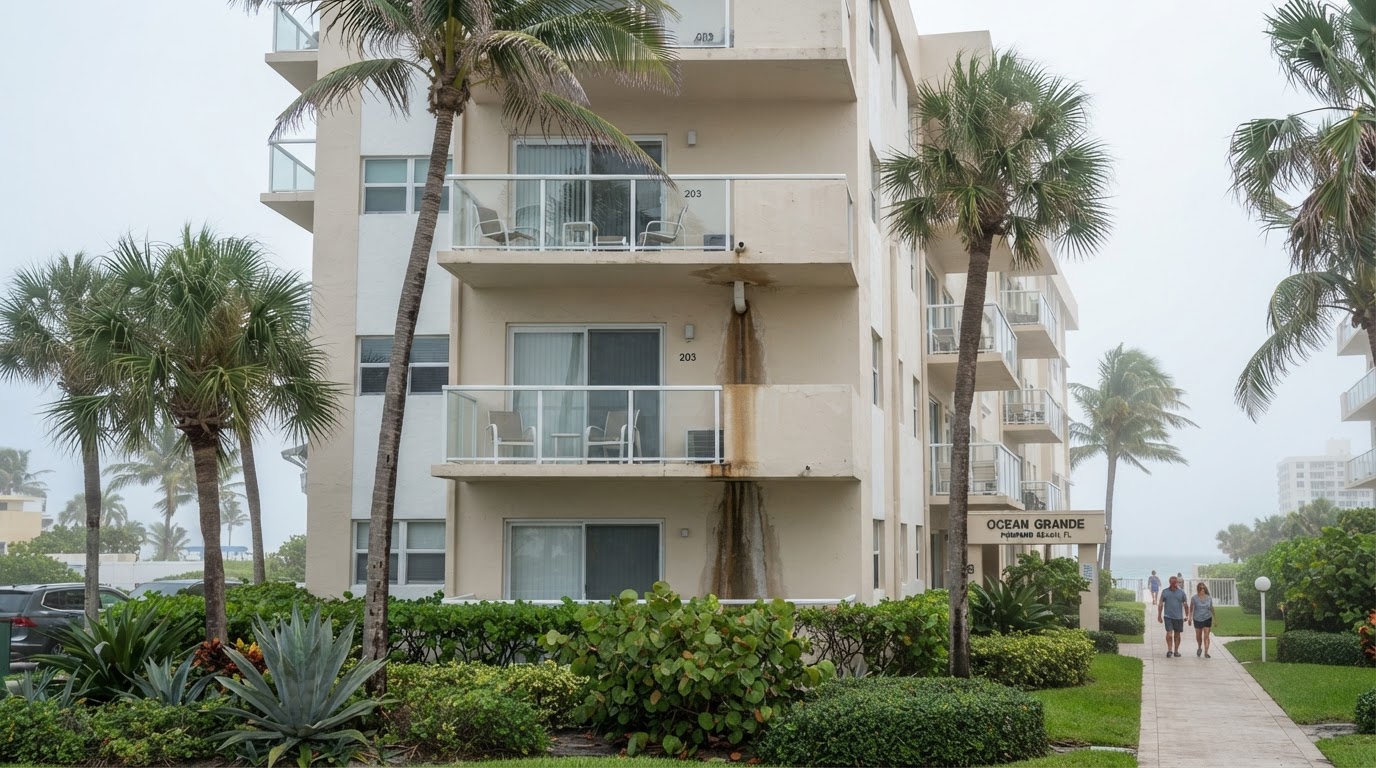
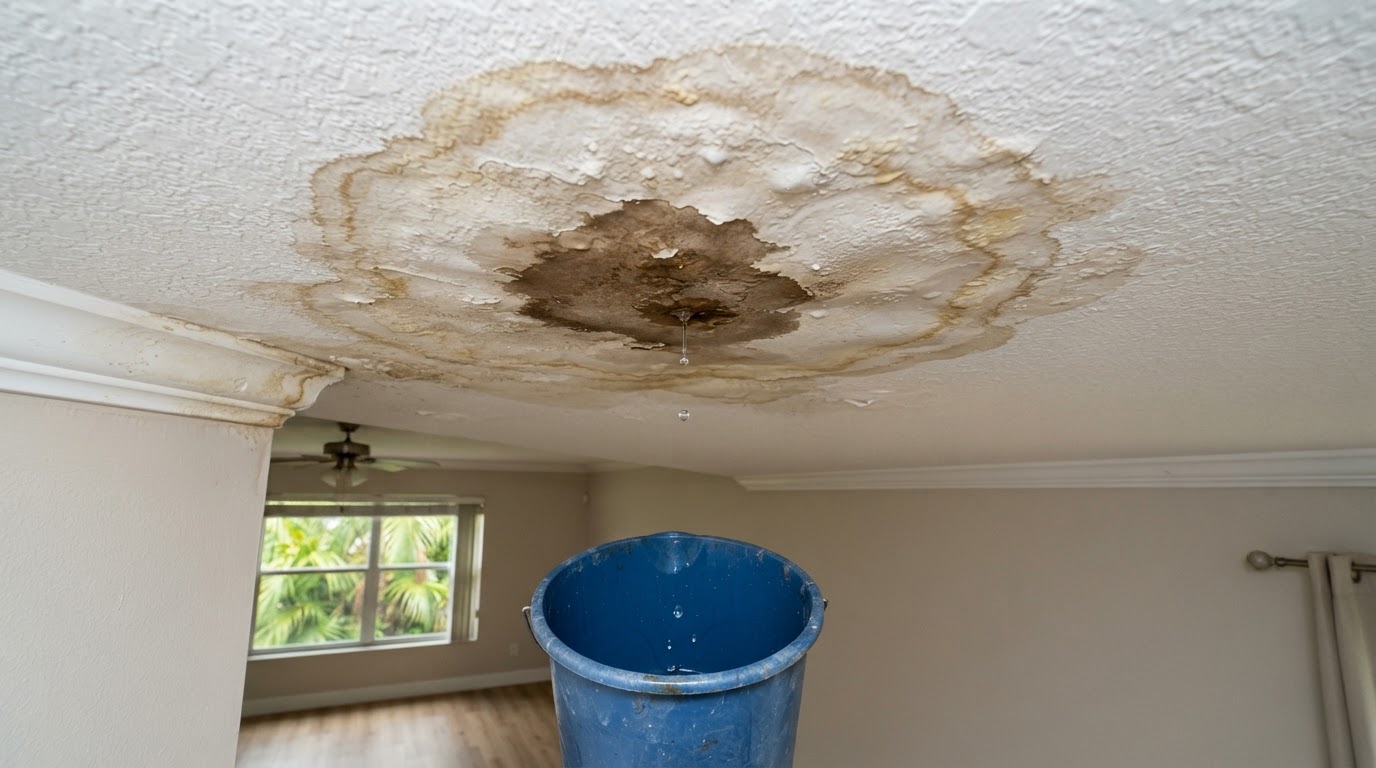
Garden-style condos share plumbing risers and HVAC. A slow leak in a unit above can travel down through the shared wall cavity and grow mold in your ceiling. Shared rooftop or building AC can also distribute mold through the airstream to multiple units.
Aging single-family roofs
Tamarac's 1970s–90s single-family homes have roofs at or past their design life, leaking at seams and flashing. A slow leak wets the attic and travels down wall cavities before a ceiling stain appears.
Warning signs for Tamarac residents
- A musty smell when you return to a seasonally vacant unit or home.
- Water stains on the ceiling below a bathroom or the unit above.
- A musty smell strongest when the AC first turns on.
- Discoloration on clothing, shoes, or furniture after a vacancy.
- Water stains on ceilings from aging roofs in single-family homes.
In a community where many homes sit vacant for months, the mold risk is not a leak — it is the humidity that builds when the AC stops running.
Active-adult communities and seasonal travel
Tamarac's active-adult communities have a high share of residents who travel north for the summer, which means a high share of homes sit vacant with the AC off or set high for months at a time. That concentration of seasonal vacancy is the single biggest mold driver in the city. The prevention is simple and inexpensive, but it has to happen before you leave — once a unit sits damp for a season, the cleanup is far more than the cooling you saved.
- Before you leave for the season, confirm the AC holds humidity below 55% at the setpoint you chose.
- Leave a local contact the ability to adjust the thermostat or run a dehumidifier if humidity climbs.
- A smart hygrometer with phone alerts lets you respond to a humidity spike from anywhere.
Garden-style condos and shared systems
Tamarac's garden-style condos share plumbing risers and HVAC infrastructure between units, which means a moisture problem in one unit can affect another. A slow leak in a unit above travels down through the shared wall cavity; shared rooftop or building AC can distribute mold through the airstream to multiple units. In a shared building, the mold you find in your unit may not originate in your unit, and an assessment that traces the water path is the only way to know the difference.
Single-family roofs in Tamarac
Tamarac's 1970s–90s single-family homes have roofs at or past their design life, and the failures are predictable: seams, flashing, and valley leaks on flat or low-pitch roofs. A slow roof leak wets the attic and travels down wall cavities before a ceiling stain appears. For a single-family home in this age range, a roof inspection before each rainy season is one of the most effective mold-prevention steps you can take, because the roof is the most likely first failure point.
- Have older roofs inspected before each rainy season, focusing on seams, flashing, and valleys.
- A ceiling stain on the upper floor with no plumbing above it usually points to the roof.
- Replacing an aging roof before it leaks prevents the attic moisture that starts most single-family mold problems.
Prevention for Tamarac residents
- If you travel seasonally, keep the AC running and humidity below 55%.
- Have someone check your unit for musty odors while you are away.
- In condos, report upper-unit leaks immediately.
- Keep the condensate line clear and filters changed.
- In single-family homes, have older roofs inspected before storm season.
When to test
- Before returning to a seasonally vacant home if any odor is present.
- After a leak in your unit or the unit above.
- When a musty smell persists after the AC has been serviced.
- Before buying a Tamarac condo or older single-family home.
Frequently asked questions
Why is seasonal vacancy such a big mold risk in Tamarac?+
Months without AC dehumidification let indoor humidity spike above 70%. Condensation settles on every surface, and mold grows on contents and drywall even without a leak.
Can mold from the unit above affect my condo?+
Yes. Plumbing risers run through shared walls, and a leak above can travel down and grow mold in your ceiling. A moisture inspection can trace the water path.
What should I do if I smell must when I return for the season?+
Test before cleaning. Cleaning visible mold without confirming the extent and source can spread spores. An assessment confirms what is present and where.
Are Tamarac single-family homes also at risk?+
Yes, mainly from aging roofs. Homes from the 1970s–90s have roofs at or past their design life, and slow leaks feed hidden attic and wall-cavity mold.
Related resources
If you are returning to a Tamarac home or condo that was vacant and suspect mold, connect with our recommended local mold testing provider for an assessment before you start cleaning.
Need professional mold testing in South Florida?
Connect with our recommended local mold testing provider, MoldXperts, for an independent assessment.
Looking for professional mold testing in Fort Lauderdale? Connect with our recommended local mold testing provider. We may receive compensation when you contact our featured provider.
About this article
This article is published by Best Mold Testing Fort Lauderdale as an independent educational resource. It is reviewed for accuracy and reflects publicly available guidance from agencies including the EPA, CDC, and Florida DBPR. It is not a substitute for professional advice specific to your property.
Get mold prevention tips in your inbox
The South Florida Mold & Healthy Home Newsletter — practical, no spam.