Scheduled article — publishes on April 9, 2027. Not yet visible on the public blog feed.
Mold Testing in Sunrise Condos and 55+ Communities: Seasonal Vacancy and Shared Systems
Sunrise's condo and active-adult communities face seasonal vacancy and shared-system moisture. Here is what residents should watch for.
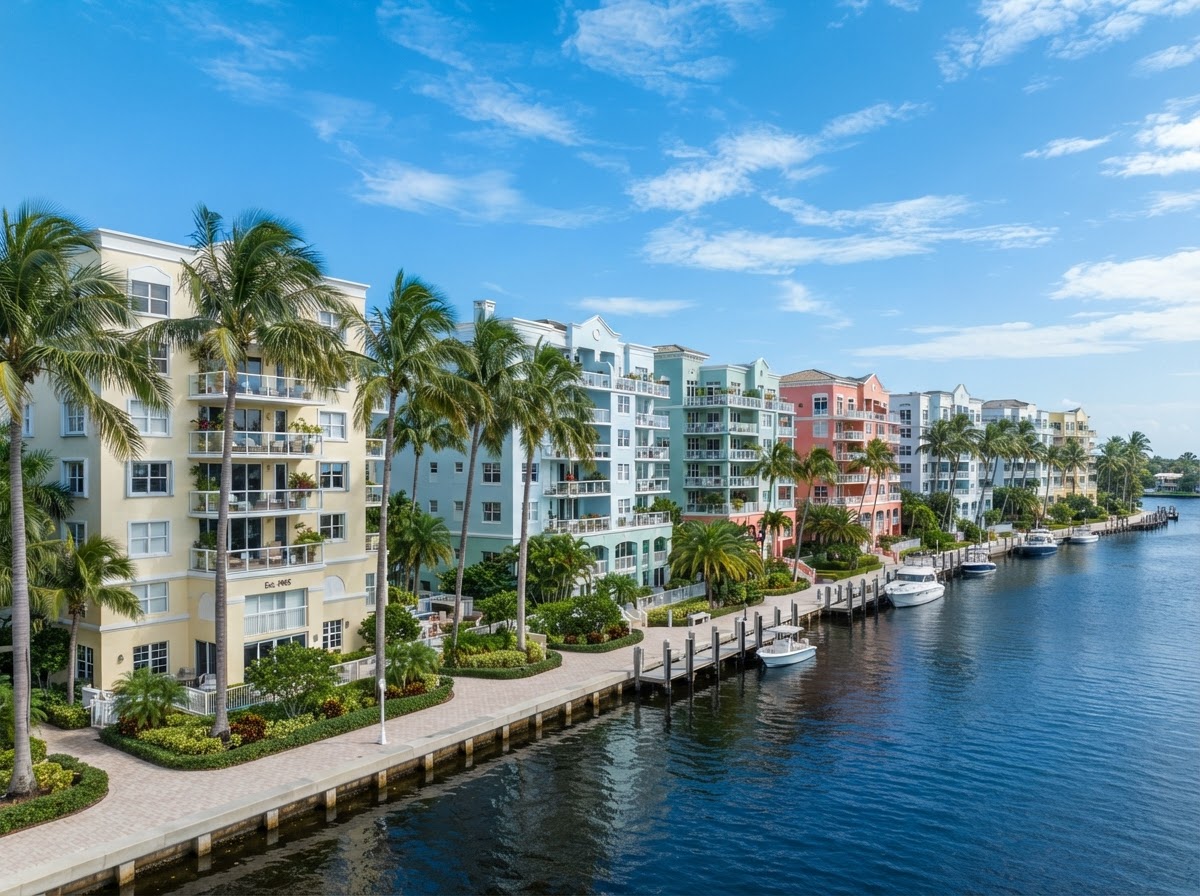
Sunrise has extensive condo and active-adult (55+) communities, with a heavily seasonal population. Seasonal vacancy, shared systems, and aging roofs are the dominant mold concerns in these communities. This article explains what residents should watch for and when testing makes sense.
Seasonal vacancy
Many residents travel north for the summer, leaving units vacant with the AC off or set high. Without dehumidification, indoor humidity spikes above 70%, and condensation settles on walls, ceilings, furniture, and clothing. Mold can grow on contents and drywall even with no water leak.
Shared condo systems
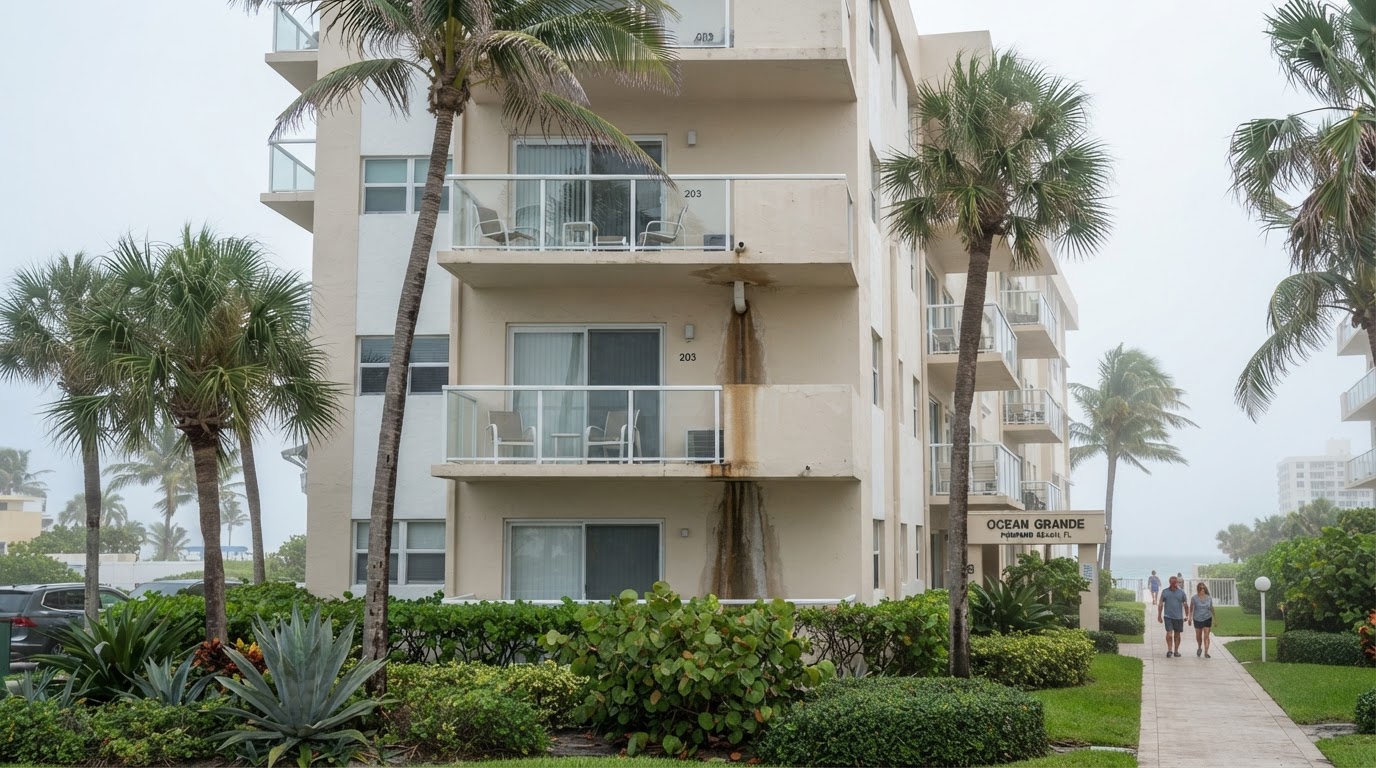
Condo buildings share plumbing risers and HVAC. A slow leak in a unit above can travel down through the shared wall cavity and grow mold in your ceiling. Shared rooftop or building AC can also distribute mold through the airstream to multiple units.
Aging community roofs
Many Sunrise communities have roofs at or past their design life, leaking at seams and flashing. In condo buildings, the roof is often association-maintained — and a slow roof leak can affect multiple units before it is addressed.
Warning signs for residents
- A musty smell when you return to a seasonally vacant unit.
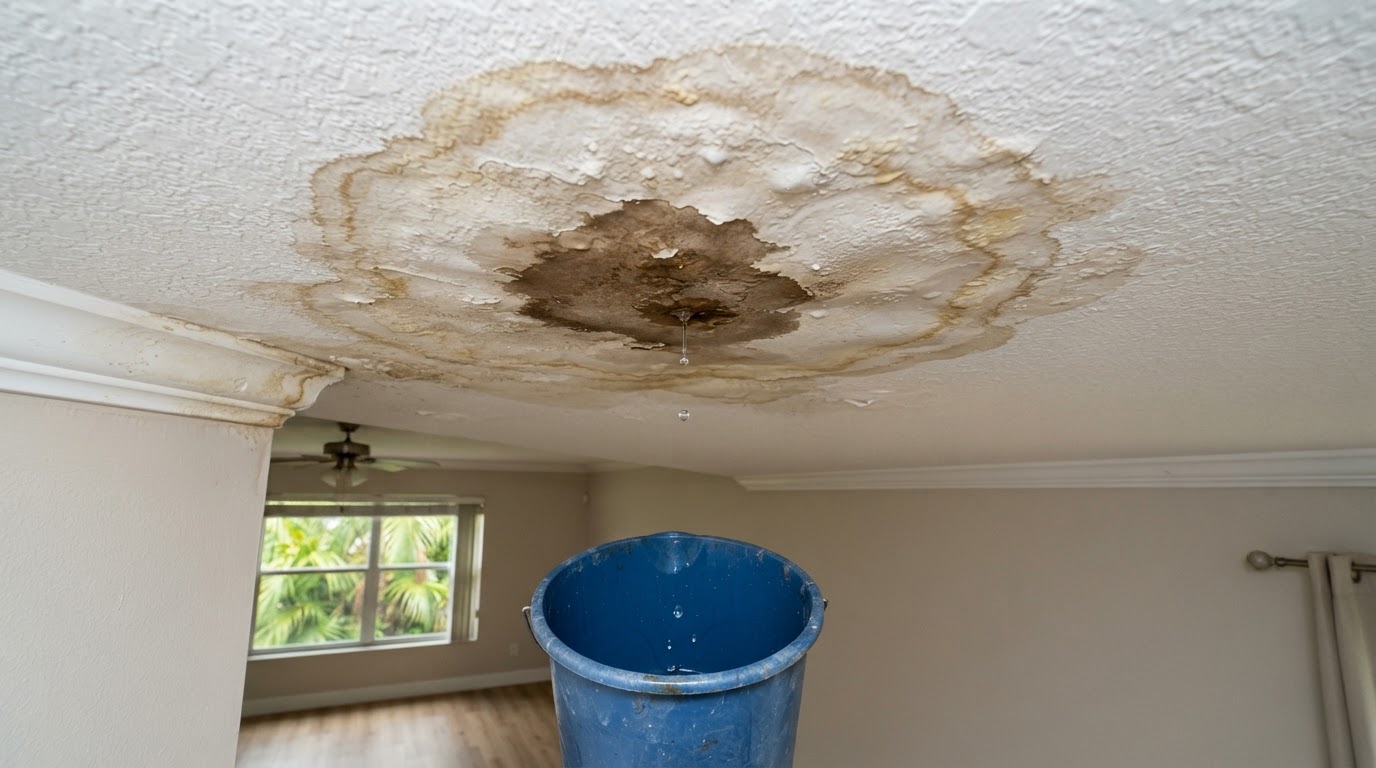
- Water stains on the ceiling below a bathroom or the unit above.
- A musty smell strongest when the AC first turns on.
- Discoloration on clothing, shoes, or furniture after a vacancy.
- Water stains on ceilings from aging community roofs.
In a 55+ community where many units sit vacant for months, the mold risk is not a leak — it is the humidity that builds when the AC stops running.
The snowbird departure and the closed-up unit
Sunrise's 55+ communities have one of the heaviest seasonal vacancy patterns in Broward — many residents travel north for the summer and leave their units closed up with the AC off or set high. In a sealed unit with no dehumidification, indoor humidity climbs above 70% within days of the AC shutting down, and condensation settles on every cool surface — walls, ceilings, cabinetry, clothing, shoes, and furniture. Because 55+ communities often have high-end finishes and furnished units that sit unused, the cost of vacancy-driven mold is disproportionately high. The single most effective prevention step is to keep the AC running at a humidity-holding setpoint while the unit is vacant — not a comfort setpoint, but a setpoint that keeps the system dehumidifying even when no one is home. A smart thermostat with humidity monitoring and phone alerts lets a seasonal resident catch a humidity spike before it becomes a restoration project.
- Never close up a Sunrise 55+ unit and turn the AC off for the summer — humidity will exceed 70% within days.
- Set the AC to a humidity-holding setpoint (aiming for under 55%) so it dehumidifies while vacant.
- A smart thermostat with humidity alerts lets a seasonal resident catch a spike remotely.
- Have a neighbor or community contact check the unit for musty odors monthly while you are away.
The shared roof and the deferred maintenance window
Many of Sunrise's 55+ condo communities were built in the 1980s and 1990s, and their roofs and shared systems are at or past the age where deferred maintenance becomes a mold risk. A slow roof leak in a condo building can wet the top-floor units and travel down through shared walls before the association addresses it, and because the roof is association-maintained, the individual resident cannot control the repair timeline. If you live in a top-floor unit in one of these communities, watch for ceiling stains after storms and report them to the association in writing — a documented moisture reading supports the association's responsibility and speeds the repair. If you are buying a unit in an older Sunrise 55+ community, ask about the roof's age and the last replacement, because a roof nearing the end of its life is a moisture source that affects every unit below it.
Prevention for residents
- If you travel seasonally, keep the AC running and humidity below 55%.
- Have someone check your unit for musty odors while you are away.
- In condos, report upper-unit leaks immediately.
- Report roof issues to the association promptly and in writing.
- Keep the condensate line clear and filters changed.
When to test
- Before returning to a seasonally vacant unit if any odor is present.
- After a leak in your unit or the unit above.
- After an association-reported roof leak.
- Before buying a Sunrise condo.
Frequently asked questions
Why is seasonal vacancy such a big mold risk in Sunrise?+
Months without AC dehumidification let indoor humidity spike above 70%. Condensation settles on every surface, and mold grows on contents and drywall even without a leak.
Can mold from the unit above affect my condo?+
Yes. Plumbing risers run through shared walls, and a leak above can travel down and grow mold in your ceiling. A moisture inspection can trace the water path.
Who is responsible for mold from an association roof leak?+
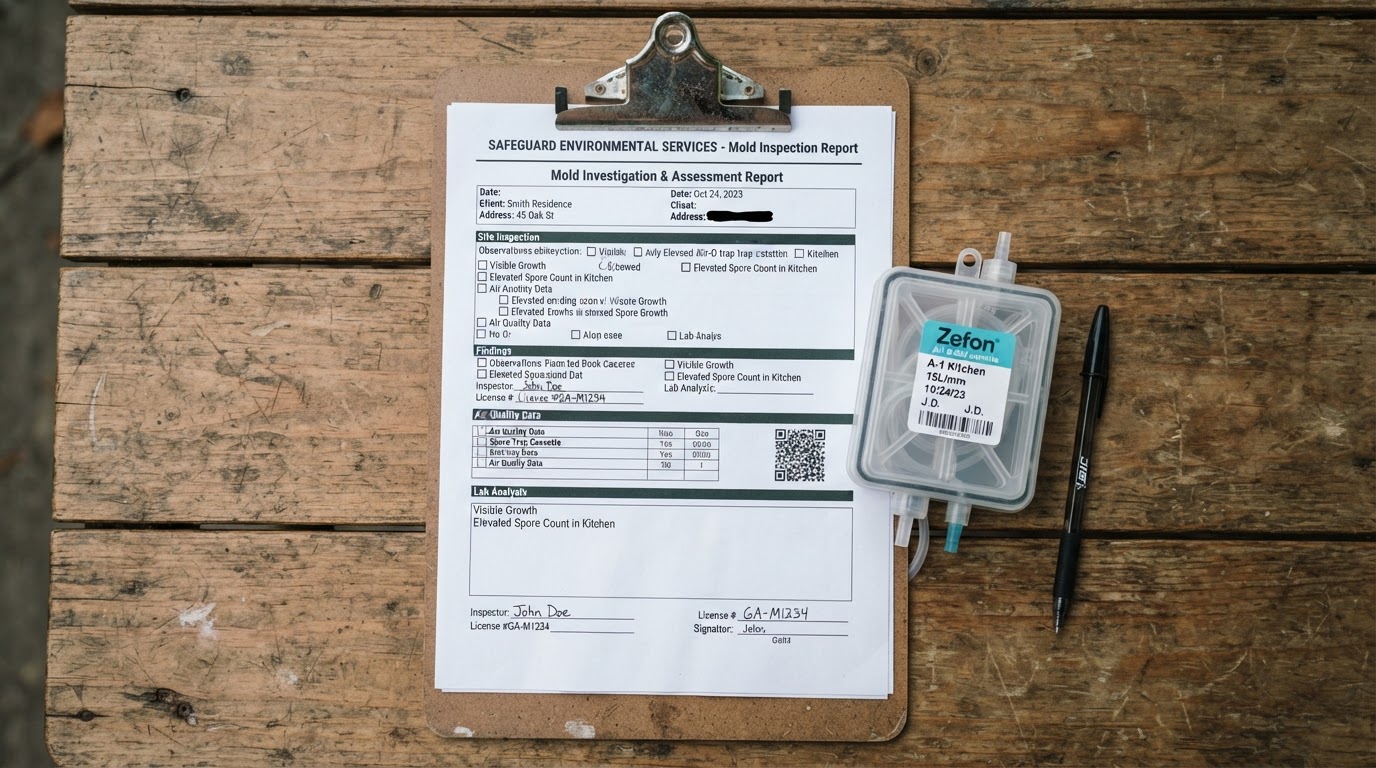
It depends on your association documents and Florida law. A documented mold assessment that traces the moisture to a maintained roof is essential evidence.
Should I test a Sunrise condo before buying it?+
Yes. Shared systems, seasonal vacancy history, and community roof age all add moisture paths. A pre-purchase inspection can find hidden problems before you close.
Related resources
If you are returning to a Sunrise condo that was vacant and suspect mold, connect with our recommended local mold testing provider for an assessment before you start cleaning.
Need professional mold testing in South Florida?
Connect with our recommended local mold testing provider, MoldXperts, for an independent assessment.
Looking for professional mold testing in Fort Lauderdale? Connect with our recommended local mold testing provider. We may receive compensation when you contact our featured provider.
About this article
This article is published by Best Mold Testing Fort Lauderdale as an independent educational resource. It is reviewed for accuracy and reflects publicly available guidance from agencies including the EPA, CDC, and Florida DBPR. It is not a substitute for professional advice specific to your property.
Get mold prevention tips in your inbox
The South Florida Mold & Healthy Home Newsletter — practical, no spam.