Scheduled article — publishes on July 23, 2027. Not yet visible on the public blog feed.
Irrigation and Mold: How Landscaping Affects Plantation, Florida Homes
Sprinklers aimed at walls and beds against foundations push moisture into Plantation homes. Here is the landscaping connection to mold.
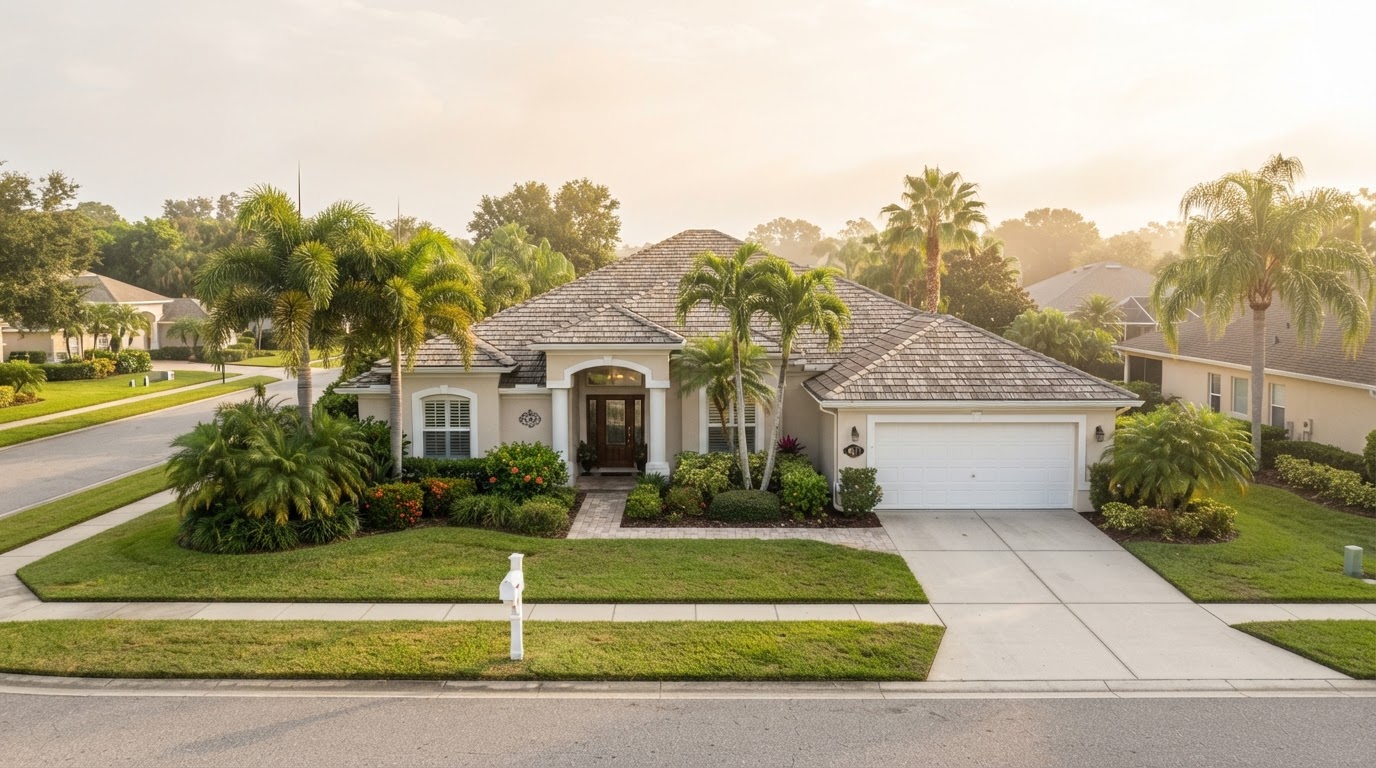
Landscaping is an overlooked mold driver in Plantation homes. Sprinkler heads aimed at walls soak the stucco daily; planting beds hold moisture against the foundation; mulch against the slab keeps the base of the wall damp. Over months, that moisture finds its way inside. This article explains the connection and the fixes.
The common landscaping mistakes
- Sprinkler heads that spray the exterior walls — daily wetting of stucco.
- Planting beds directly against the foundation with moisture-holding mulch.
- Irrigation timers running during the hottest hours, increasing evaporation onto walls.
- Downspouts discharging into beds instead of away from the home.
- Grade sloping toward the foundation instead of away.
How it becomes indoor mold
Daily wall wetting drives moisture through stucco cracks and around window penetrations. Foundation beds keep the slab edge damp, which wicks into the wall's bottom plate. Over months, the wall cavity stays humid enough for mold to grow on the back of the drywall — invisible until it is extensive.
The fixes
- Redirect sprinkler heads away from all walls.
- Keep planting beds at least 12 inches from the foundation, and use stone rather than mulch near walls.
- Extend downspouts at least 4 feet from the home.
- Regrade so soil slopes away from the foundation.
- Water early in the morning so walls dry during the day.
When to test
- Discoloration or staining on exterior walls near sprinkler coverage.
- Musty odor in rooms with exterior walls facing irrigated areas.
- Any history of wall moisture in a home with beds against the foundation.
Every sprinkler head aimed at a wall is a daily moisture event. Over a year, that is hundreds of chances for water to find a path inside.
Frequently asked questions
Can sprinklers really cause indoor mold?+
Yes. Daily wetting of exterior walls drives moisture through stucco cracks and window penetrations, keeping the wall cavity humid enough for mold to grow on the back of the drywall.
How far should planting beds be from the foundation?+
At least 12 inches, and use stone rather than moisture-holding mulch near walls. The goal is a dry zone at the slab edge.
What is the best watering schedule?+
Early morning, so walls and soil dry during the day. Avoid evening cycles that leave walls wet overnight.
When should I test if I suspect irrigation-driven mold?+
If exterior walls near sprinkler coverage show staining, or rooms on that side smell musty, testing can find moisture and growth behind the wall before it becomes visible.
Related resources
If your Plantation home shows moisture signs near irrigated walls, connect with our recommended local mold testing provider for an assessment that finds what the sprinklers have been feeding.
Need professional mold testing in South Florida?
Connect with our recommended local mold testing provider, MoldXperts, for an independent assessment.
Looking for professional mold testing in Fort Lauderdale? Connect with our recommended local mold testing provider. We may receive compensation when you contact our featured provider.
About this article
This article is published by Best Mold Testing Fort Lauderdale as an independent educational resource. It is reviewed for accuracy and reflects publicly available guidance from agencies including the EPA, CDC, and Florida DBPR. It is not a substitute for professional advice specific to your property.
Get mold prevention tips in your inbox
The South Florida Mold & Healthy Home Newsletter — practical, no spam.