Scheduled article — publishes on April 27, 2027. Not yet visible on the public blog feed.
Why Your Plantation Home's AC Smells Musty — and When It Means Mold
A musty smell from the AC in a Plantation home usually points to mold in the system. Here is where it grows and what to do about it.
A musty smell when the AC turns on is one of the most common complaints in Plantation homes — and one of the most reliable indicators of mold in the system. This article explains where that mold grows, what duct cleaning does and does not fix, and when professional testing is worth it.
Where mold grows in an AC system
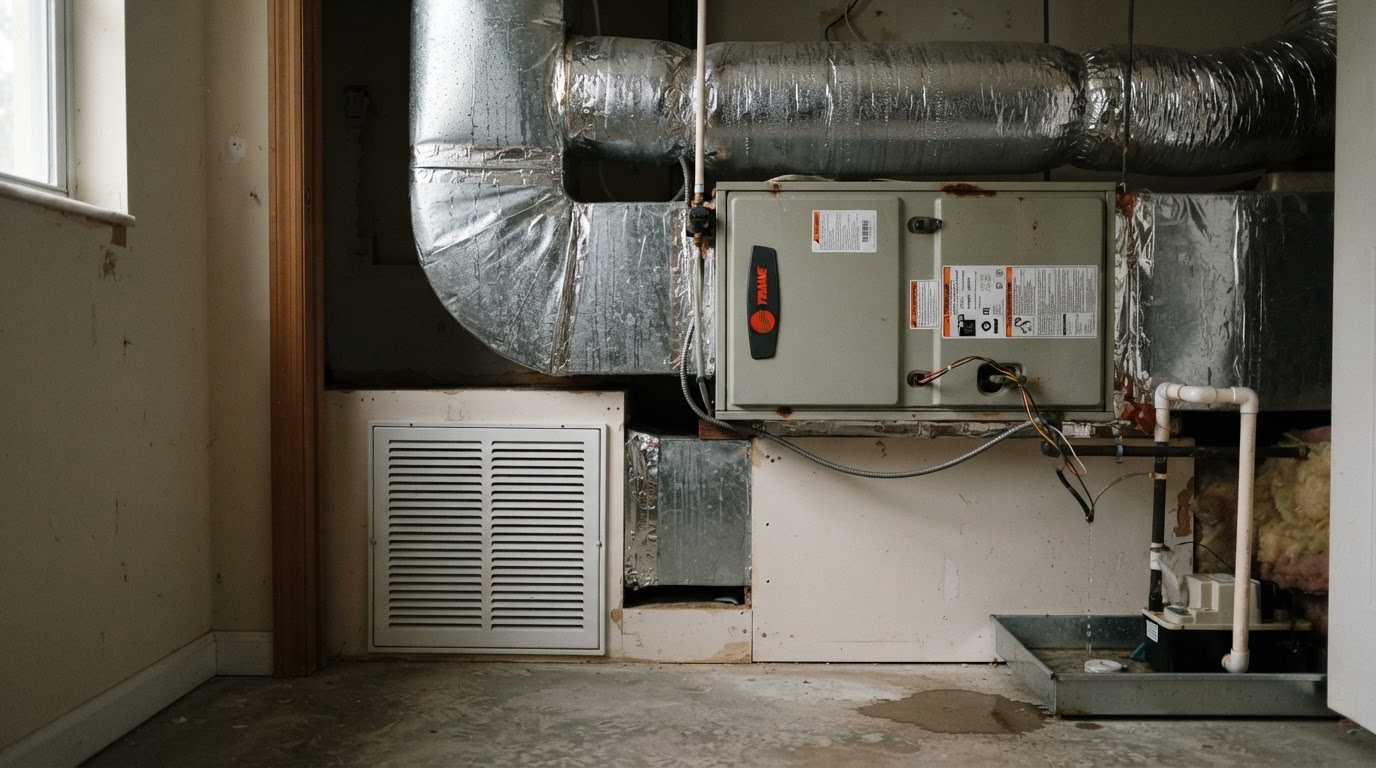
- The evaporator coil: dust and moisture on the coil support growth that spreads into the airstream.
- The drain pan: a clogged condensate line lets the pan overflow and soak surrounding materials.
- The air handler cabinet: dark, damp, and rarely inspected — an ideal mold environment.
- Supply ductwork: condensation at poorly sealed joints creates hidden damp surfaces.
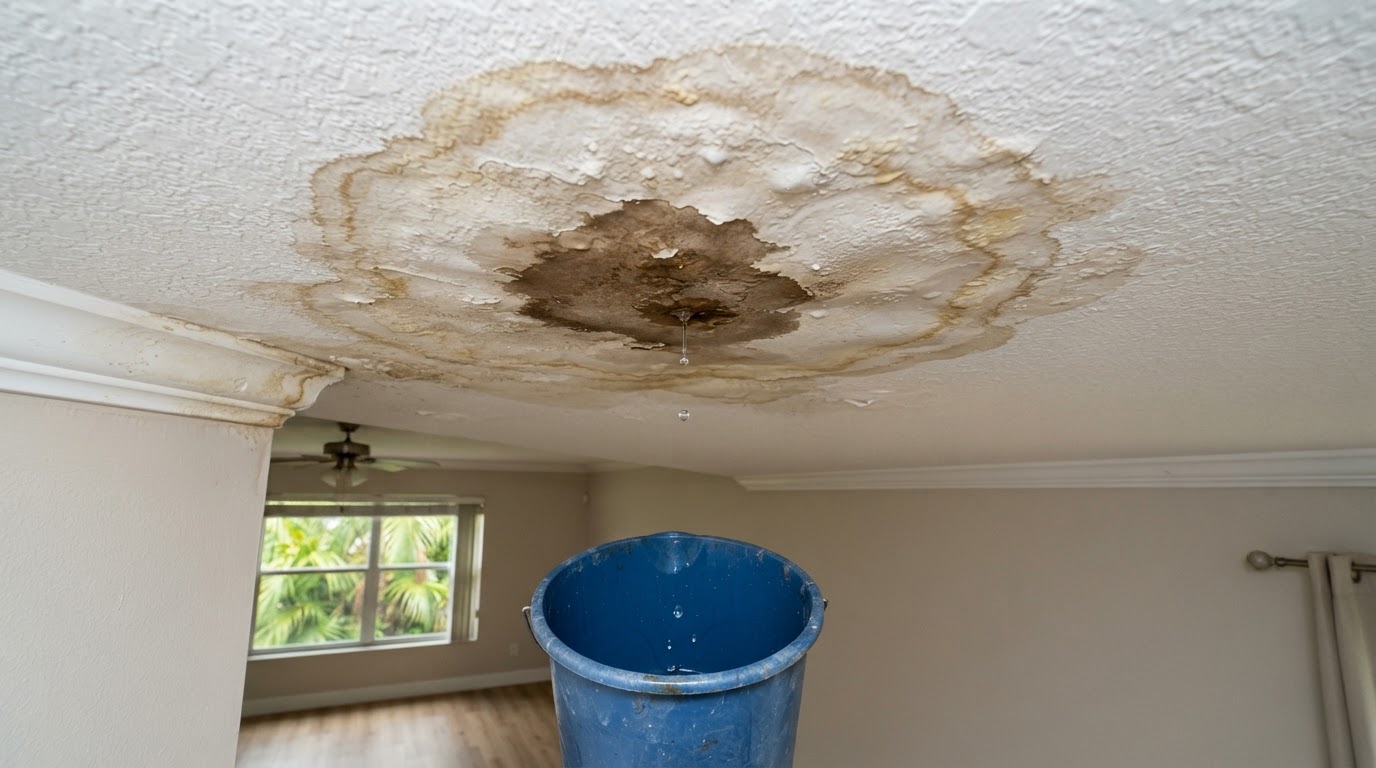
- Around supply vents: condensation on cold registers in humid rooms supports growth on the surrounding ceiling.
Why the smell is strongest at startup
When the system has been off, mold and accumulated debris sit undisturbed. When the blower starts, it pushes air through the contaminated surfaces and into every room — which is why the musty smell peaks in the first minutes of operation. A smell that fades after startup still points to a source inside the system.
What duct cleaning does and does not fix
Duct cleaning can remove accumulated dust and debris from the ductwork, but if the moisture source is not fixed, mold returns. The condensate line, drain pan, and coil must be addressed first — otherwise you are cleaning the symptom, not the cause.
What to do about a musty AC
- Have the condensate line cleared and the pan inspected at every service visit.
- Change filters on schedule so the coil stays clean and drains properly.
- Ask your AC technician to inspect the coil and cabinet for visible growth.
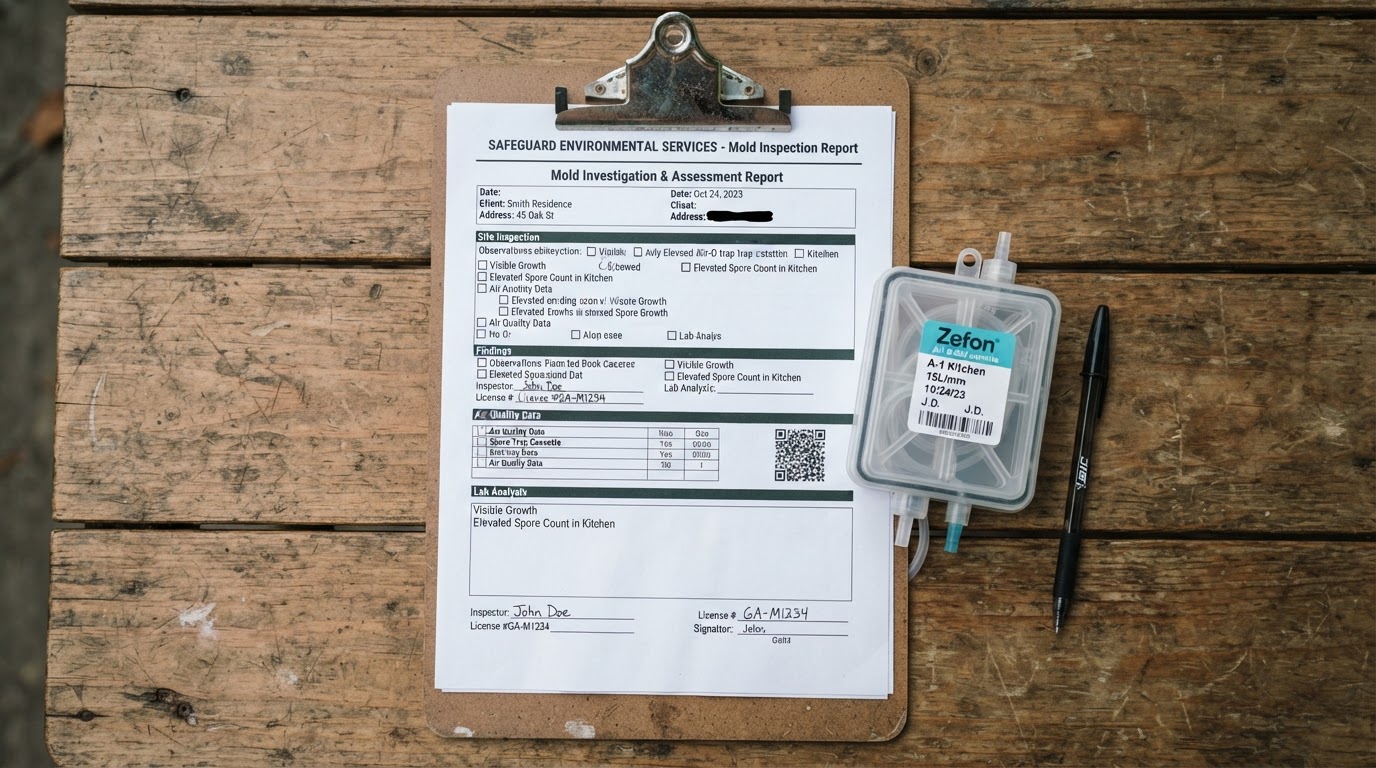
- If the smell persists after service, test — air sampling can compare levels upstream and downstream of the coil.
A musty AC smell is not a nuisance to mask — it is a symptom. The system is distributing whatever is growing inside it to every room in the house.
Frequently asked questions
Why does my AC smell musty only when it first turns on?+
When the system has been off, growth sits undisturbed. The blower pushes air through contaminated surfaces at startup, which is why the smell peaks in the first minutes.
Will duct cleaning fix the musty smell?+
It can remove debris from the ductwork, but if the moisture source is not fixed, mold returns. The condensate line, pan, and coil must be addressed first.
Can mold in the AC affect my health?+
Mold in the system is distributed through the airstream to every room, so exposure is continuous. People with allergies or asthma often notice symptoms first.
How do I confirm mold is in the system?+
Air sampling upstream and downstream of the coil, plus a visual inspection of the coil, pan, and cabinet, can confirm growth and its extent.
Related resources
If your Plantation home's AC smells musty and service has not fixed it, connect with our recommended local mold testing provider for an assessment that includes the coil, pan, and ductwork.
Need professional mold testing in South Florida?
Connect with our recommended local mold testing provider, MoldXperts, for an independent assessment.
Looking for professional mold testing in Fort Lauderdale? Connect with our recommended local mold testing provider. We may receive compensation when you contact our featured provider.
About this article
This article is published by Best Mold Testing Fort Lauderdale as an independent educational resource. It is reviewed for accuracy and reflects publicly available guidance from agencies including the EPA, CDC, and Florida DBPR. It is not a substitute for professional advice specific to your property.
Get mold prevention tips in your inbox
The South Florida Mold & Healthy Home Newsletter — practical, no spam.