Scheduled article — publishes on March 13, 2027. Not yet visible on the public blog feed.
Mold Testing in Lauderdale-by-the-Sea: Beach Village Homes and Salt Air
Lauderdale-by-the-Sea is a compact beach village where salt air and older housing meet. Here is what local homeowners should watch for.
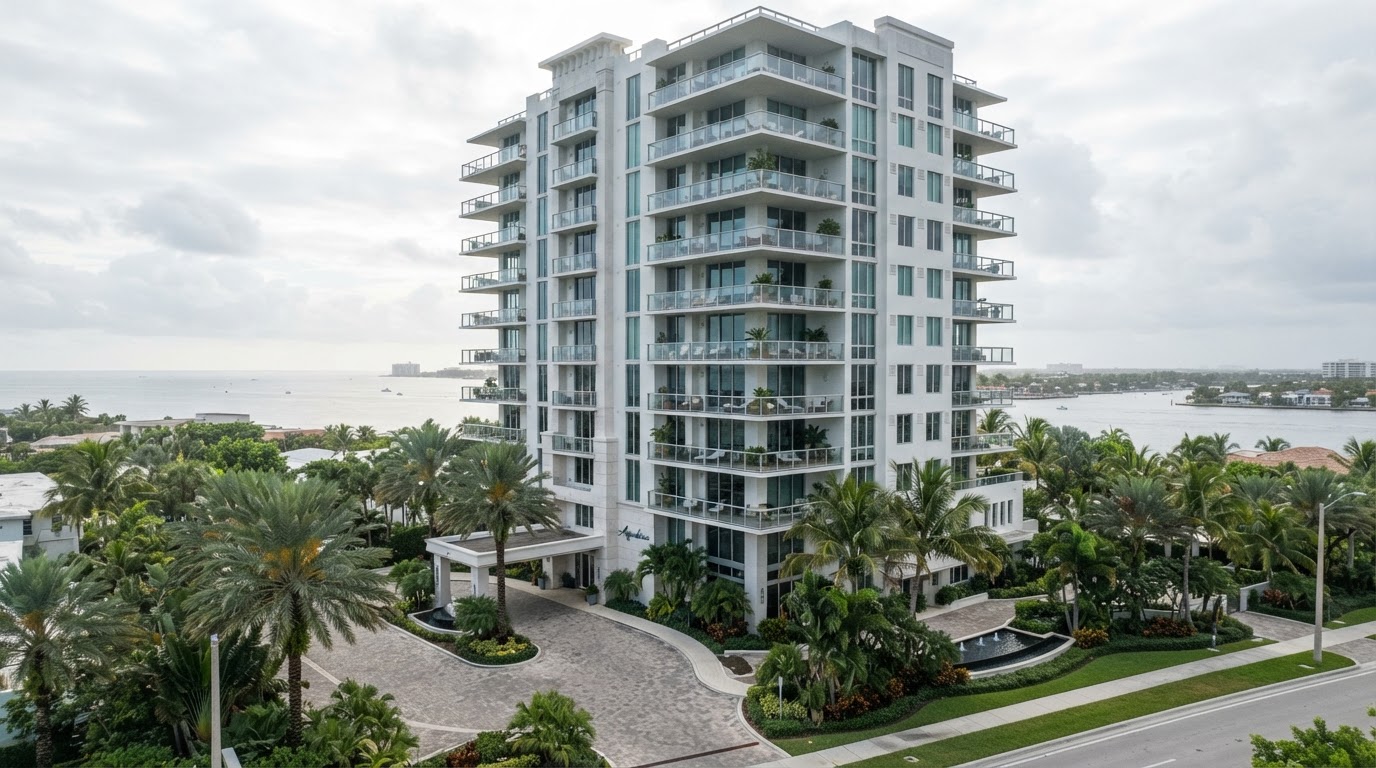
Lauderdale-by-the-Sea is a compact beach village east of Fort Lauderdale, with older homes and small condo buildings steps from the sand. Direct ocean exposure makes it one of the most salt-air-intensive markets in Broward. This article explains what is specific about mold risk in Lauderdale-by-the-Sea and when testing makes sense.
Direct salt air exposure
Homes here face the Atlantic directly, and salt-laden air corrodes AC coils, condensate pans, and metal components faster than anywhere inland. Corroded pans crack and lines clog, making condensate failures the most common indoor moisture source. Service intervals should be the shortest of any Broward market.
Older housing stock
The village's housing is largely older, with aging roofs, original plumbing, and construction-era materials that hold moisture. Slab foundations can wick ground moisture into lower walls, and pre-modern-code construction lacks modern moisture management.
Storm and surge exposure
Beachfront homes face storm surge and wind-driven rain in every tropical system. Even homes that avoid direct flooding can take water through roof vents, around windows, and through slab edges. After any storm, a moisture check in the weeks that follow is worthwhile.
Warning signs for Lauderdale-by-the-Sea homeowners
- Visible corrosion on AC components.
- A musty smell when the AC turns on.
- Damp or discolored baseboards and lower walls.
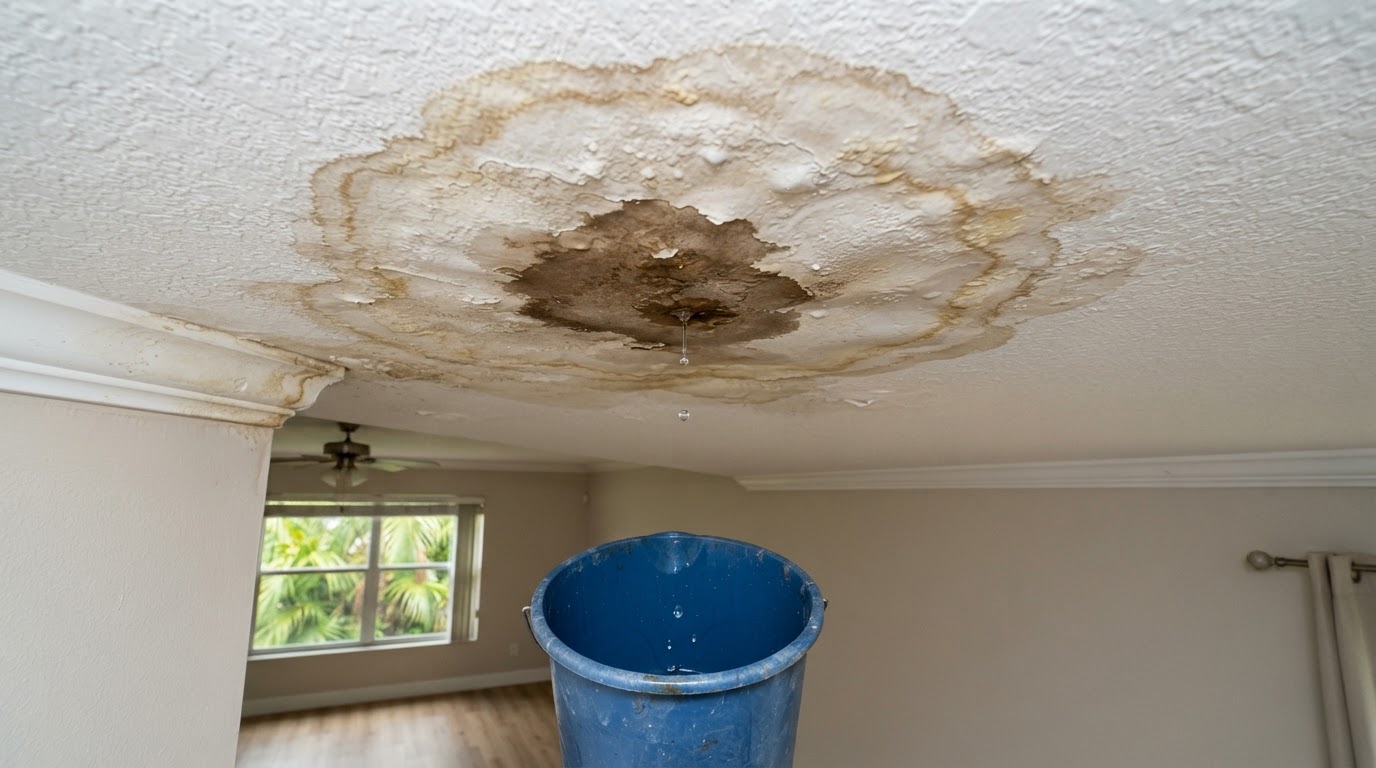
- Water stains on ceilings after storms.
- A persistent musty odor you cannot trace to a visible source.
In a beach village, the ocean is both the amenity and the adversary. Salt air corrodes the AC faster than anywhere inland, and older housing holds whatever moisture gets in.
The pier, the wind, and the east-facing facade
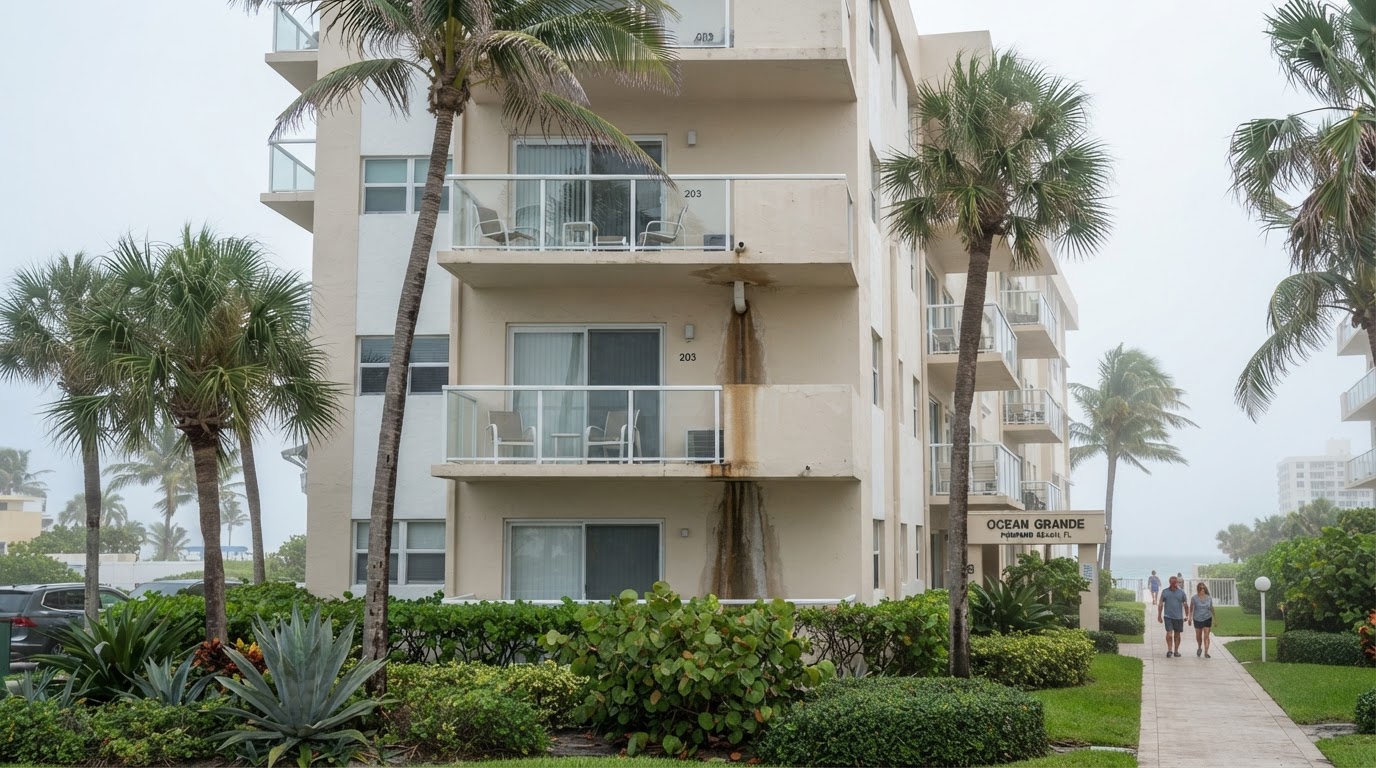
Lauderdale-by-the-Sea is built along the beach with the Anglin's Fishing Pier as its landmark, and the homes and condos nearest the beach take the full force of onshore winds off the Atlantic. During storms and even on breezy afternoons, that wind drives humid, salt-laden air horizontally against the east-facing facades. Window seals, sliding-door tracks, and balcony joints on the east face are the most common entry points for wind-driven moisture, and the salt in the air corrodes the metal components of those seals faster than the rest of the home. The east-facing wall and its windows are the most maintenance-intensive part of any beachfront property in the village, and they are the first place to inspect for seal failure and moisture intrusion. If your home is east of A1A, expect to service the AC more often and to reseal windows and doors on the east face more frequently than any other wall.
- East-facing facades take the full onshore wind and salt — inspect their seals and flashing first.
- Window and door seals on the east face corrode faster than on any other wall.
- The AC in a beachfront village property may need quarterly condensate checks, not just semi-annual.
- After any storm with onshore wind, check east-facing walls for dampness that does not dry within a day.
Small condo buildings and shared systems
Unlike the large towers of Hallandale Beach or Aventura, Lauderdale-by-the-Sea has many small, older condo buildings — three to five stories — with shared or semi-shared HVAC and stacked plumbing. In a small building, a single leaking riser or a single failed condensate pan can affect the adjacent unit directly, and the building may not have the same maintenance staff or reserve budget as a large tower. If you own or are buying a condo in a small Lauderdale-by-the-Sea building, ask when the risers were last inspected and when the roof and condensate systems were last serviced — small buildings often defer maintenance longer than large towers, and deferred maintenance is a leading cause of hidden moisture and mold in this market.
Storm surge and the slab-edge seepage
Because the village sits directly on the beach, storm surge is a real exposure for even the homes that are not directly overtopped. The more insidious path is storm-driven groundwater that seeps under the slab and up through the slab edge during a storm, even when no water enters the home above the floor. In older construction the slab-edge joint is often not sealed, and storm-driven groundwater pressure pushes moisture through the joint and into the bottom plates and lower drywall. The first sign is baseboard and lower-wall dampness that appears after a storm and does not dry within a few days. If your home is in the village, check the slab edge and lower walls after every storm, and dry anything wet within 48 hours to prevent mold establishing in the wall cavity.
Prevention for Lauderdale-by-the-Sea homeowners
- Service AC condensate systems every six months — or quarterly this close to the ocean.
- Have older roofs inspected before storm season.
- Inspect and reseal east-facing windows and doors more frequently than other walls.
- Check baseboards, lower walls, and the slab edge for dampness after heavy rain and storms.
- Keep indoor humidity below 50% and monitor with a hygrometer.
When to test
- After any storm, especially one with surge or onshore wind.
- After a condensate overflow or any leak.
- When lower walls feel damp or a musty odor persists.
- Before buying a home or condo in Lauderdale-by-the-Sea.
Frequently asked questions
Why is salt air worse in Lauderdale-by-the-Sea?+
The village sits directly on the Atlantic, so homes face the ocean without intervening distance. Salt-laden air corrodes AC components and window seals faster than anywhere inland in Broward, especially on east-facing walls.
How often should AC be serviced here?+
Every six months is reasonable, and some beachfront homes benefit from quarterly condensate checks. The condensate pan, line, and coil should be checked at every service.
Do small condo buildings have different mold risks than towers?+
They can. Small buildings often defer maintenance longer than large towers and may not have the same reserve budget. Ask when risers, roofs, and condensate systems were last serviced.
Does the older housing stock increase mold risk?+
Yes. Aging roofs, original plumbing, and materials that hold moisture all increase risk. Slab foundations can also wick storm-driven groundwater into lower walls.
Should I test a home here before buying it?+
Yes. Salt-air corrosion, older systems, and storm surge exposure all add moisture paths. A pre-purchase inspection is especially valuable in a beach village.
Related resources
If you own or are buying a home in Lauderdale-by-the-Sea, connect with our recommended local mold testing provider for an assessment that covers salt-air corrosion, east-facing seal condition, and older-system moisture.
Need professional mold testing in South Florida?
Connect with our recommended local mold testing provider, MoldXperts, for an independent assessment.
Looking for professional mold testing in Fort Lauderdale? Connect with our recommended local mold testing provider. We may receive compensation when you contact our featured provider.
About this article
This article is published by Best Mold Testing Fort Lauderdale as an independent educational resource. It is reviewed for accuracy and reflects publicly available guidance from agencies including the EPA, CDC, and Florida DBPR. It is not a substitute for professional advice specific to your property.
Get mold prevention tips in your inbox
The South Florida Mold & Healthy Home Newsletter — practical, no spam.