Scheduled article — publishes on April 6, 2027. Not yet visible on the public blog feed.
Mold Testing in Hollywood's Hills and Drainage-Challenged Areas
Parts of Hollywood sit in low-lying, drainage-challenged areas where stormwater lingers. Here is what homeowners in those areas should watch for.
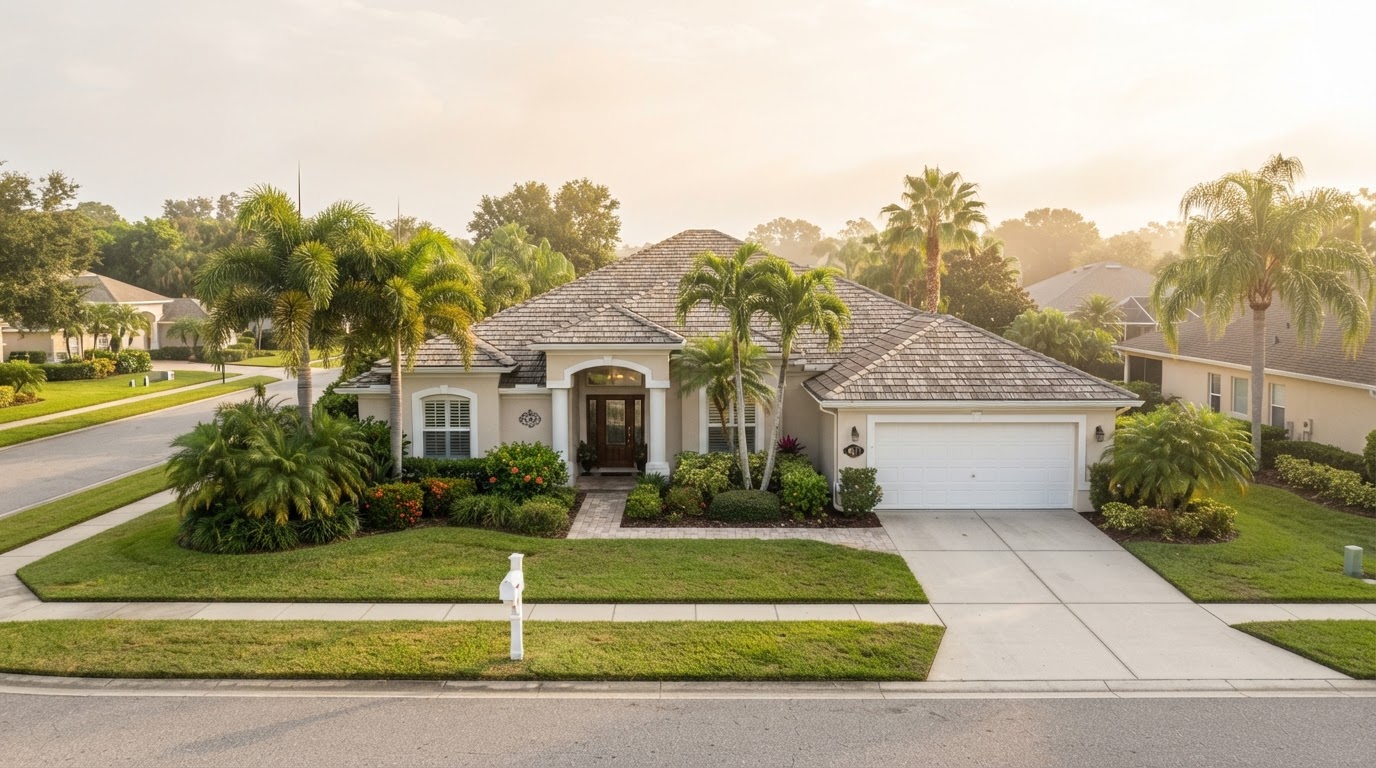
Parts of Hollywood sit in low-lying areas where stormwater lingers after heavy rain and the water table runs high. Homes in these drainage-challenged pockets face mold risk patterns that higher ground does not. This article explains what homeowners in these areas should watch for and when testing makes sense.
Lingering stormwater
In low-lying areas, stormwater can pool for days after heavy rain. That standing water keeps the ground saturated, and saturated ground keeps slabs and lower walls damp. The moisture wicks up through concrete into bottom plates and lower drywall — feeding mold growth out of sight.
High water tables
Drainage-challenged areas sit close to the water table year-round. Even without a storm, ground moisture can wick up through slabs into lower walls. Damp baseboards and lower walls are a classic sign in these pockets.
Storm surge and canal backflow
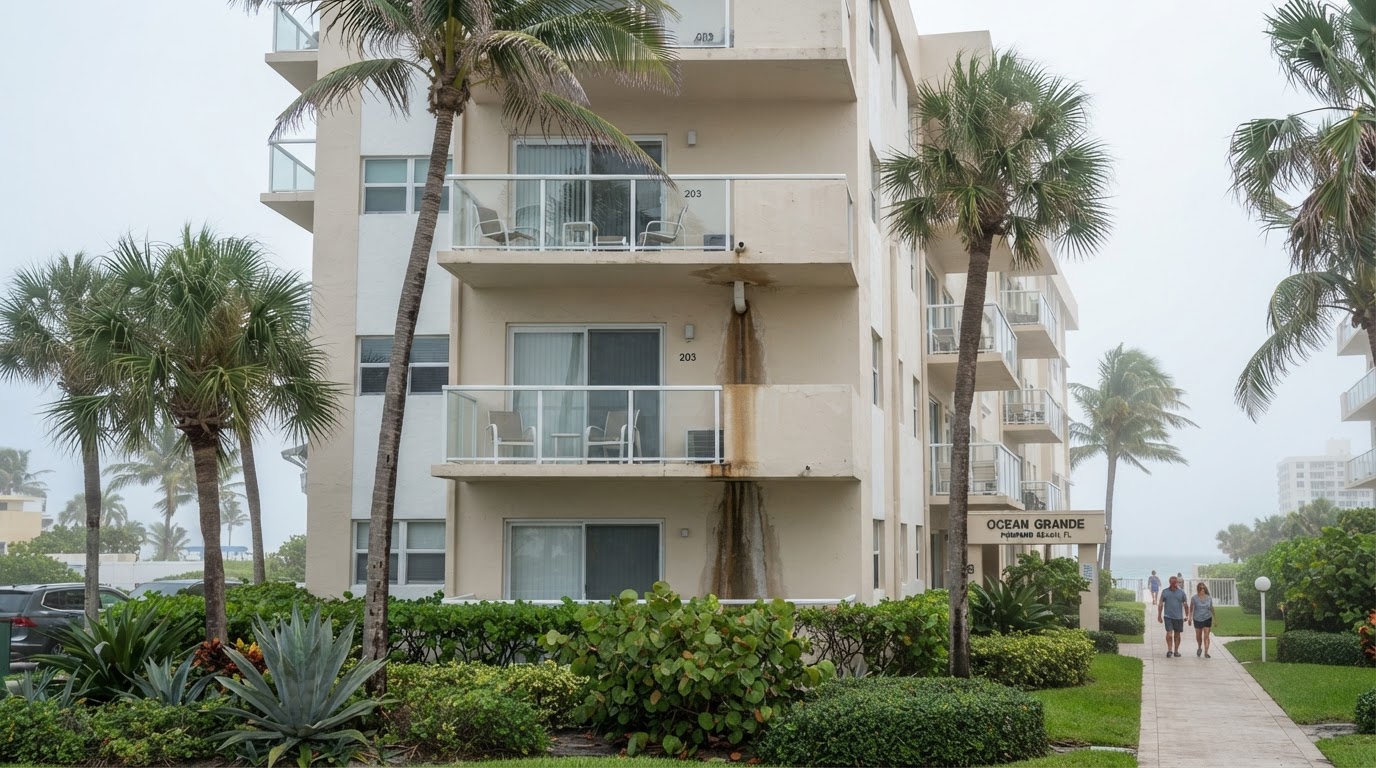
During tropical systems, storm surge and canal backflow can push water into low-lying streets and yards. Even homes that avoid direct flooding take on saturated ground conditions that last weeks — extending the moisture window well past the storm itself.
Warning signs in drainage-challenged areas
- Damp or discolored baseboards and lower walls.
- Standing water in the yard that lingers for days after rain.
- A persistent musty odor you cannot trace to a visible source.
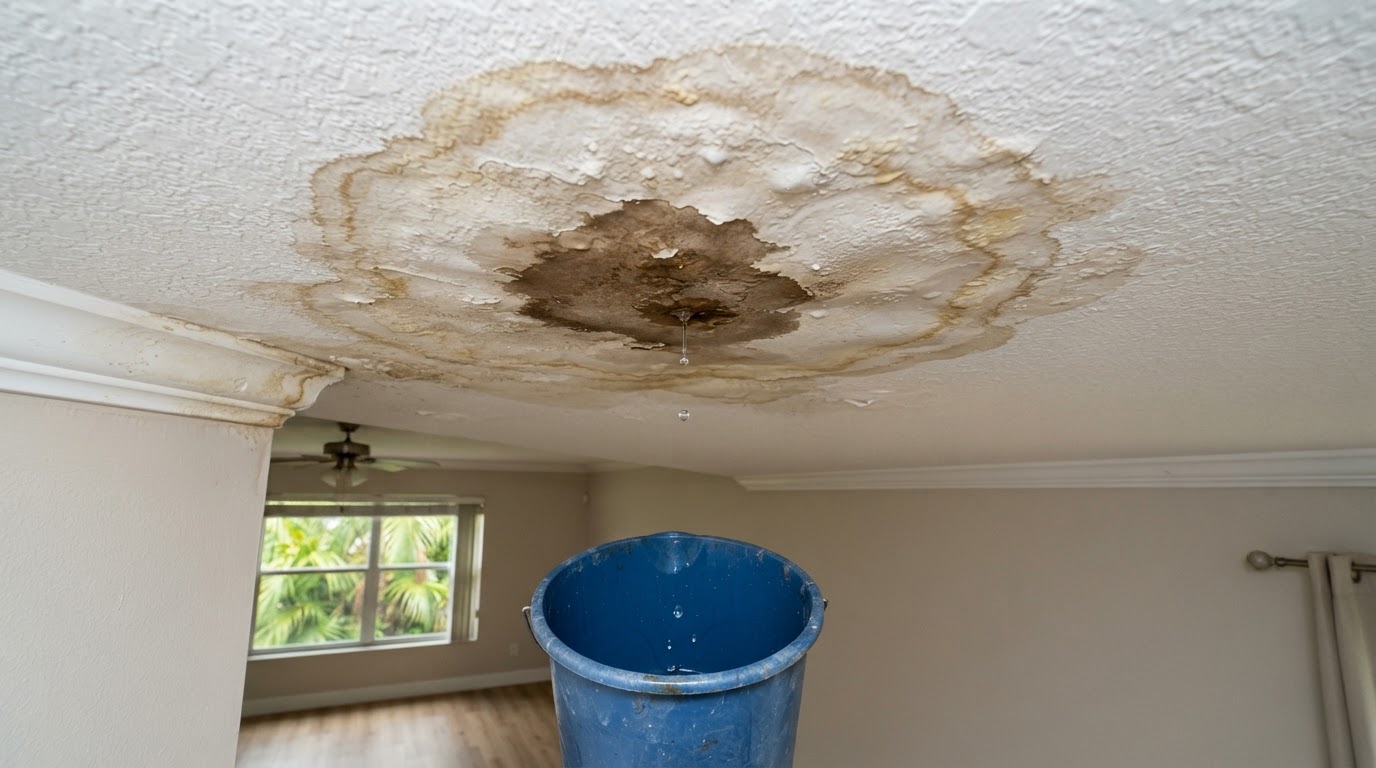
- Water stains on ceilings after storms.
- A musty smell when the AC turns on.
In a drainage-challenged pocket, the mold risk does not end when the rain stops. Saturated ground keeps slabs and lower walls damp for weeks — long after the street dries.
The low-lying pockets and the yard that never dries
Hollywood has specific low-lying pockets — neighborhoods near the city's lakes, drainage swales, and canal edges — where stormwater lingers for days after a storm and the yard never fully dries during the rainy season. In these pockets the soil against the foundation stays saturated for weeks at a time, and the moisture wicks up through the slab into the bottom plates and lower drywall. The pattern is distinct: lower walls and baseboards that dampen with every rain, recur in the same rooms every year, and do not respond to roof or plumbing repair because the source is the ground. If your Hollywood home is in one of these pockets and the lower walls dampen with every storm, the fix is drainage improvement — regrading low spots, extending downspouts away from the slab, and in persistent cases a sump or French drain — plus indoor dehumidification to manage the moisture that reaches the slab. Testing can confirm the source is the ground before you invest in the wrong repair.
- Low-lying pockets near lakes, swales, and canal edges hold stormwater for days and keep the soil against the foundation saturated.
- Recurring lower-wall dampness in the same rooms each rainy season is a sign of ground moisture, not a leak.
- The fix is drainage improvement and dehumidification, not roof or plumbing repair.
- Testing can confirm the source is the slab before you invest in the wrong repair.
Canal backflow and the multi-week moisture window
During tropical systems, storm surge can push canal water back into Hollywood's low-lying streets and yards, and even homes that avoid direct flooding take on saturated ground conditions that last weeks. The moisture window after a canal backflow event is much longer than after a normal rain — the ground stays wet for weeks, and the slab and lower walls stay damp for that entire period. That extended moisture window is exactly the condition mold needs to establish in a wall cavity, which is why post-storm mold problems in low-lying Hollywood homes often appear weeks after the storm itself. After any canal backflow event, check the lower walls for weeks, not days, and dry anything wet within 48 hours. A moisture assessment in the weeks after the storm can catch mold before it spreads through the wall cavity.
Prevention in drainage-challenged areas
- Check baseboards and lower walls for dampness after every heavy rain.
- Consider a sump or drainage improvement if yard water lingers.
- Keep indoor humidity below 50% and monitor with a hygrometer.
- Keep the condensate line clear and filters changed.
- Know your flood zone and check the home after any storm.
When to test
- After every heavy rain if lower walls feel damp.
- After any storm with surge or canal backflow.
- When a musty odor persists.
- Before buying a home in a low-lying Hollywood area.
Frequently asked questions
Why does lingering yard water matter for mold?+
Standing water keeps the ground saturated, and saturated ground keeps slabs and lower walls damp. That moisture wicks up into lower walls where mold grows out of sight.
Can mold grow without a leak in a low-lying home?+
Yes. Ground moisture wicking up through the slab can keep lower walls damp enough for mold to grow, with no plumbing or roof leak involved.
What should I do after a storm with canal backflow?+
Check for water intrusion and dry anything wet within 48 hours. Because saturated ground conditions last weeks, a moisture check in the weeks that follow is worthwhile.
Should I test a home in a low-lying area before buying it?+
Yes. Drainage and water-table moisture are worth checking. A pre-purchase inspection with moisture mapping can confirm conditions before you close.
Related resources
If your Hollywood home sits in a low-lying area and shows damp lower walls or lingering yard water, connect with our recommended local mold testing provider for an assessment that includes slab and drainage moisture.
Need professional mold testing in South Florida?
Connect with our recommended local mold testing provider, MoldXperts, for an independent assessment.
Looking for professional mold testing in Fort Lauderdale? Connect with our recommended local mold testing provider. We may receive compensation when you contact our featured provider.
About this article
This article is published by Best Mold Testing Fort Lauderdale as an independent educational resource. It is reviewed for accuracy and reflects publicly available guidance from agencies including the EPA, CDC, and Florida DBPR. It is not a substitute for professional advice specific to your property.
Get mold prevention tips in your inbox
The South Florida Mold & Healthy Home Newsletter — practical, no spam.