Scheduled article — publishes on August 4, 2027. Not yet visible on the public blog feed.
Salt Air and Mold in Hollywood Beachfront Condos: The Corrosion Connection
Salt air corrodes the AC components in Hollywood beachfront condos, and corrosion becomes condensate leaks. Here is the connection.
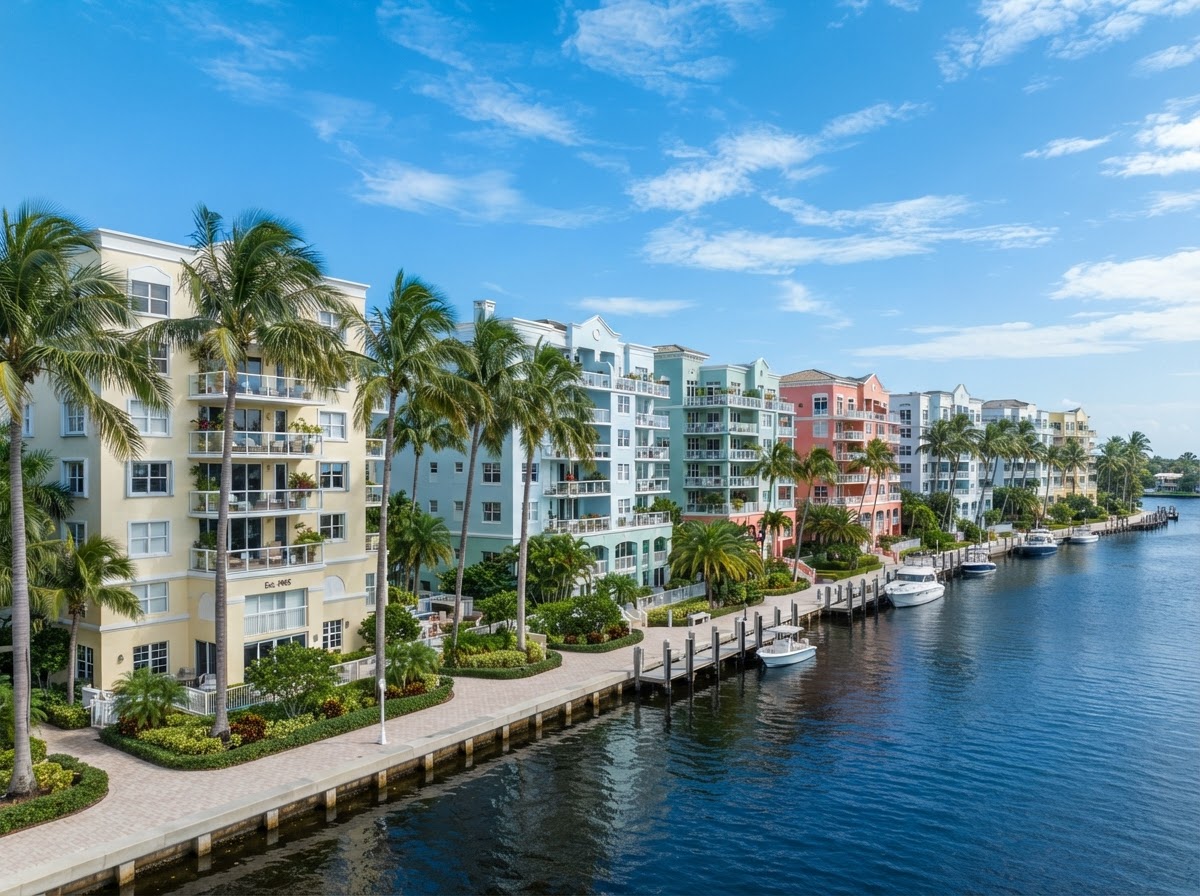
Hollywood's beachfront condos sit a few hundred feet from the Atlantic, and the salt air that makes the location desirable also corrodes the air conditioning components that keep the units dry. Corrosion leads to condensate leaks, and condensate leaks lead to mold. This article explains the chain and how to break it.
The corrosion chain
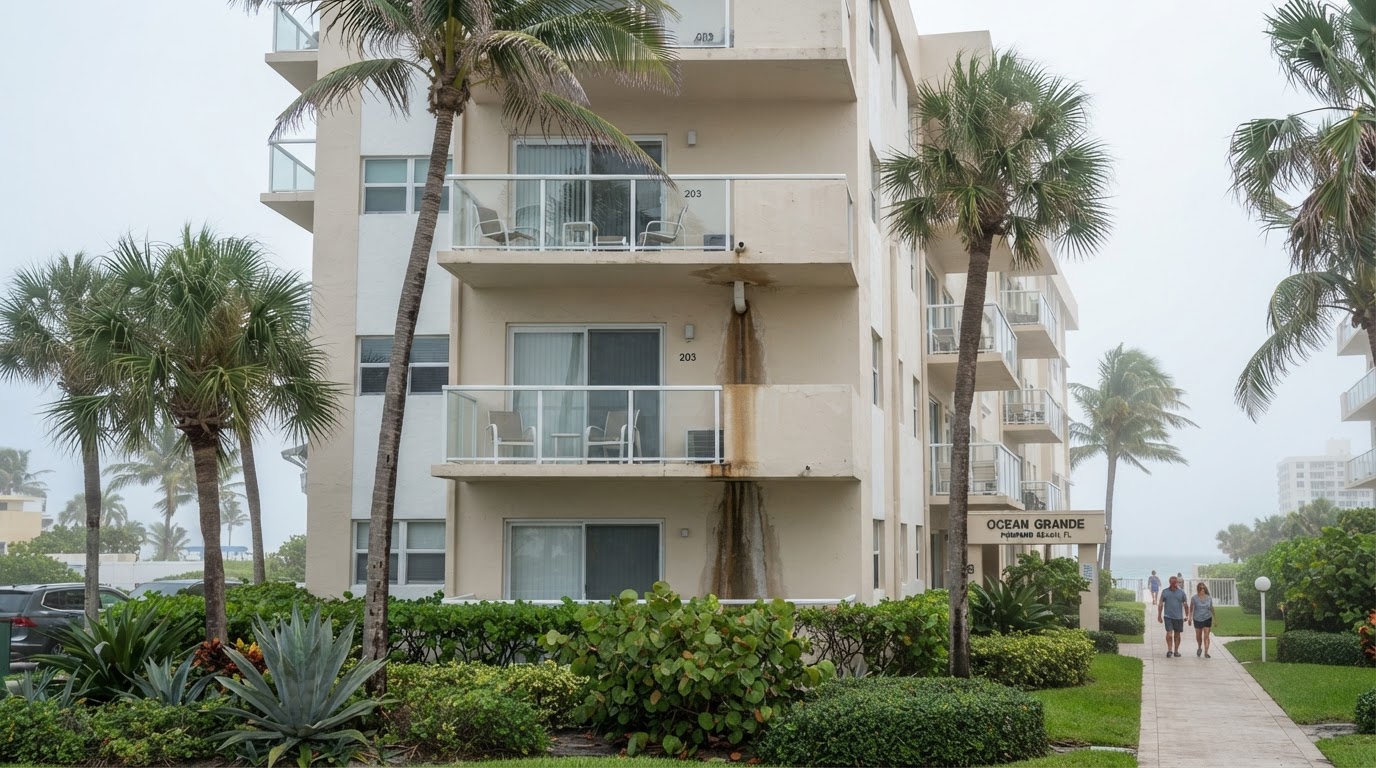
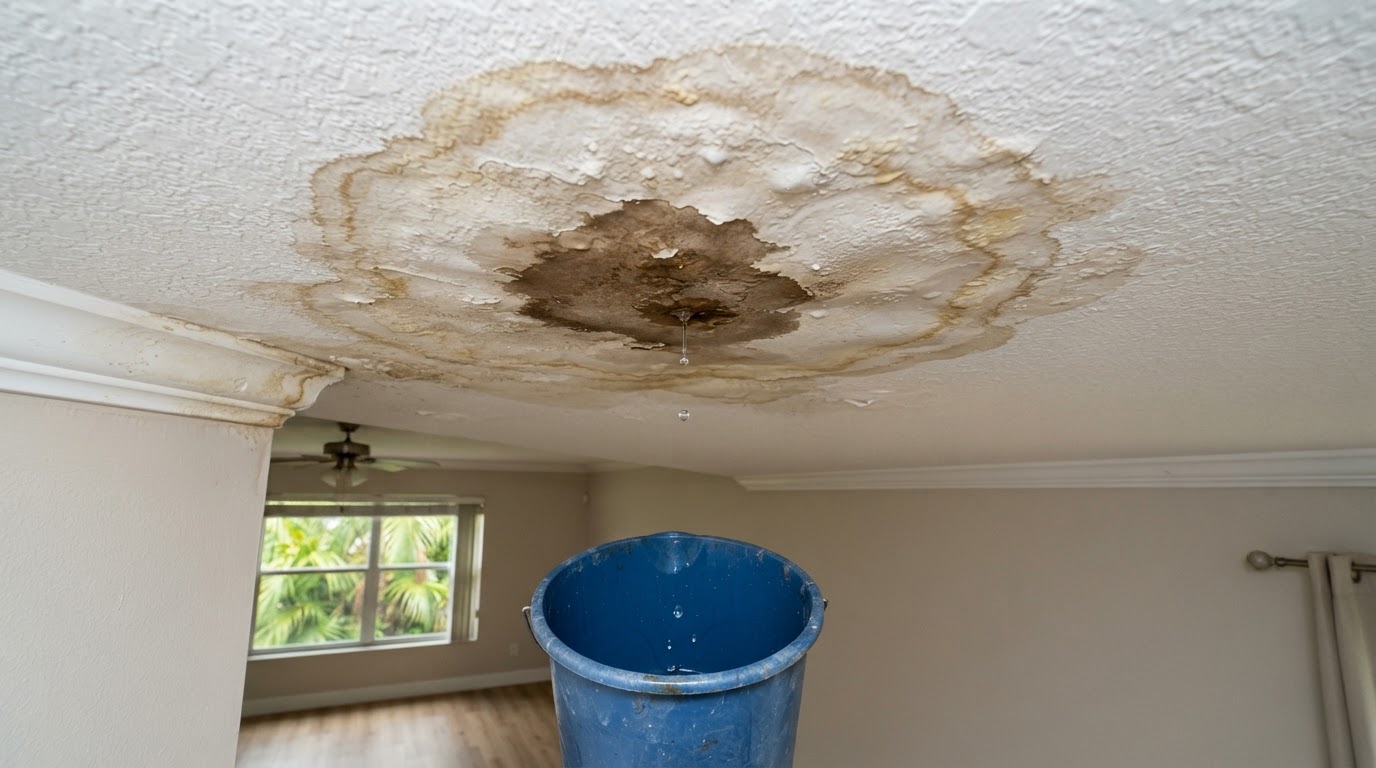
Salt spray reaches AC components — coils, drain pans, condensate pumps, and line fittings. Corrosion thins the pan, seizes the pump, and clogs the line with rust particles. The result is a condensate failure, and in a condo the overflow soaks a closet, a wall, or the unit below. Mold follows within days in this climate.
What beachfront owners should do
- Service the AC more frequently than inland recommendations — corrosion accelerates every failure mode.
- Ask the technician to specifically inspect the pan, pump, and line for corrosion at every visit.
- Rinse exterior condenser units periodically to remove salt buildup.
- Install a condensate overflow shut-off switch so a clog stops the AC instead of flooding the unit.
- Monitor humidity and respond to any musty smell immediately.
The association's role
In a beachfront building, corrosion is a shared problem: risers, cooling towers, and shared systems corrode too. Ask the association about the building's AC maintenance and any history of stack leaks — the answers predict your unit's risk.
When to test
- Any condensate overflow, however small.
- Corrosion found at an AC service visit.
- Musty odor at startup or in closets near the air handler.
- Ceiling stains if you are below another unit.
In a beachfront condo, the AC's condensate system is on a corrosion clock. The overflow switch and the frequent service visit are what keep the clock from flooding your unit.
Frequently asked questions
How does salt air cause mold?+
It corrodes AC coils, pans, pumps, and line fittings, which causes condensate failures. The overflow soaks building materials, and mold grows within days in this climate.
What is a condensate overflow shut-off switch?+
A switch that stops the AC when the drain pan fills, so a clog turns off the system instead of flooding the unit. Inexpensive and highly recommended near the coast.
How often should a beachfront condo's AC be serviced?+
More frequently than inland — at least twice a year, with specific inspection of the pan, pump, and line for corrosion at every visit.
Should I ask the association about building AC maintenance?+
Yes. Shared systems and risers corrode too, and their history predicts your unit's risk. Ask about maintenance schedules and any stack leak history.
Related resources
If your Hollywood beachfront condo has had a condensate issue or corrosion finding, connect with our recommended local mold testing provider for an assessment that includes the air handler and ductwork.
Need professional mold testing in South Florida?
Connect with our recommended local mold testing provider, MoldXperts, for an independent assessment.
Looking for professional mold testing in Fort Lauderdale? Connect with our recommended local mold testing provider. We may receive compensation when you contact our featured provider.
About this article
This article is published by Best Mold Testing Fort Lauderdale as an independent educational resource. It is reviewed for accuracy and reflects publicly available guidance from agencies including the EPA, CDC, and Florida DBPR. It is not a substitute for professional advice specific to your property.
Get mold prevention tips in your inbox
The South Florida Mold & Healthy Home Newsletter — practical, no spam.