Scheduled article — publishes on March 4, 2027. Not yet visible on the public blog feed.
Mold Testing in Hallandale Beach: Condo Towers and the Seasonal Population
Hallandale Beach's condo towers face stacked plumbing, salt air, and heavy seasonal vacancy. Here is what condo owners should watch for.
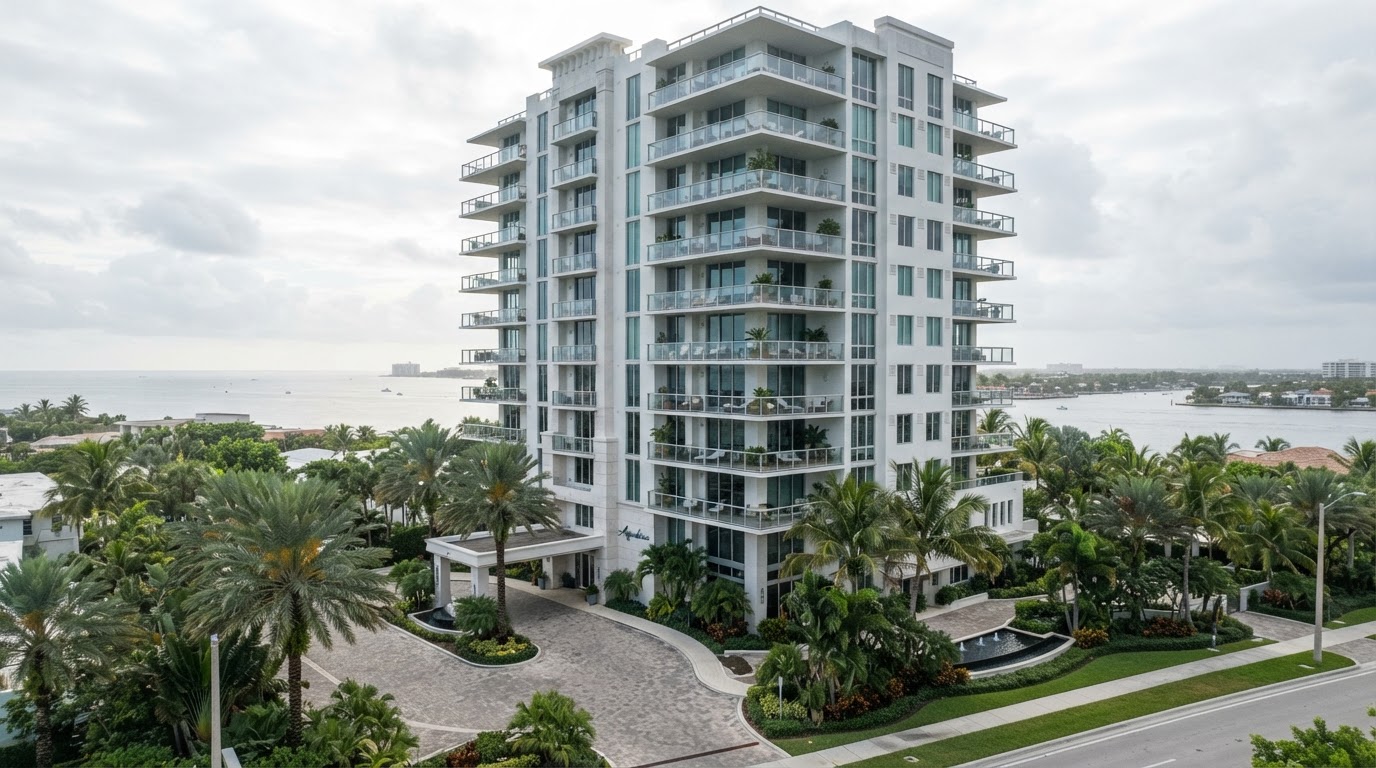
Hallandale Beach's residential landscape is dominated by high-rise condo towers near the beach and the Gulfstream area, with one of South Florida's most seasonal populations. That combination — vertical construction, salt air, and heavy vacancy — creates a distinct mold risk profile. This article explains what condo owners in Hallandale Beach should watch for and when testing makes sense.
Stacked plumbing in towers
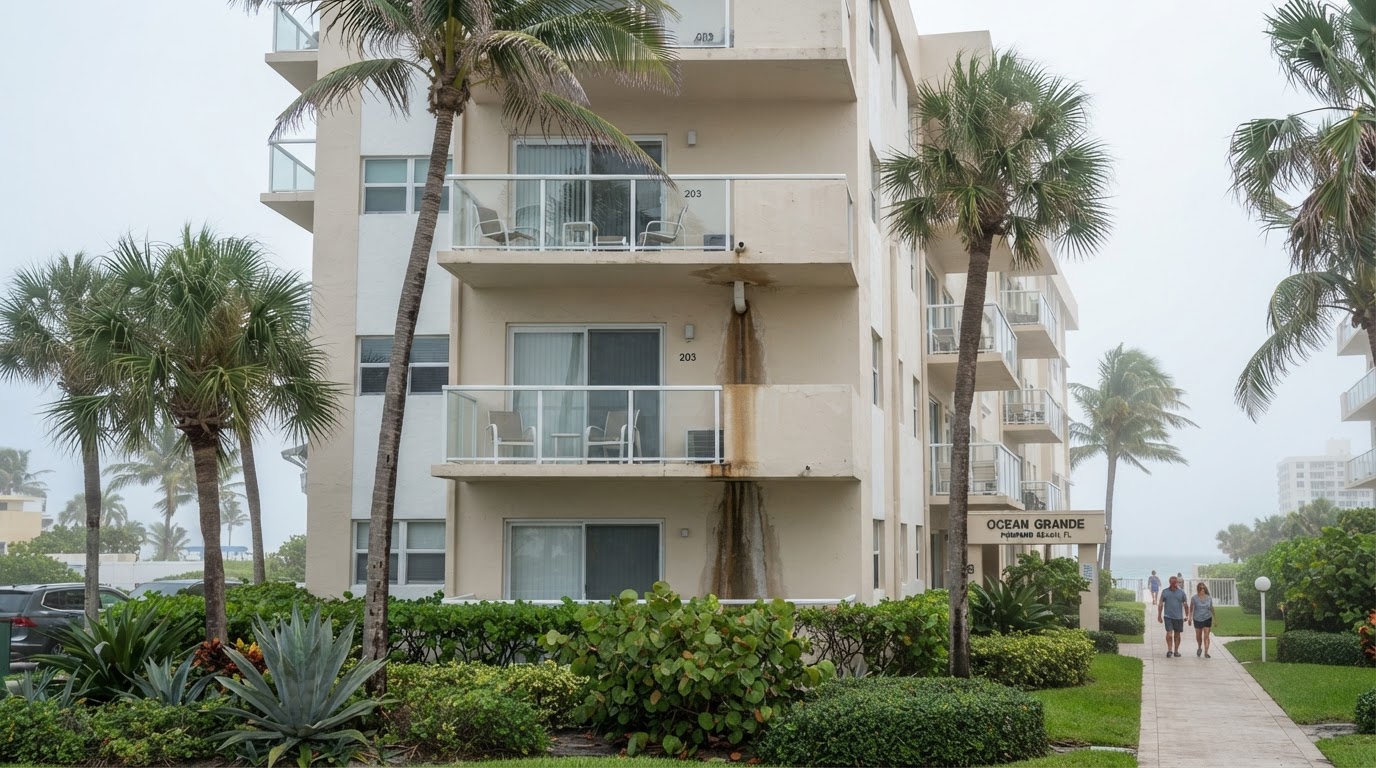
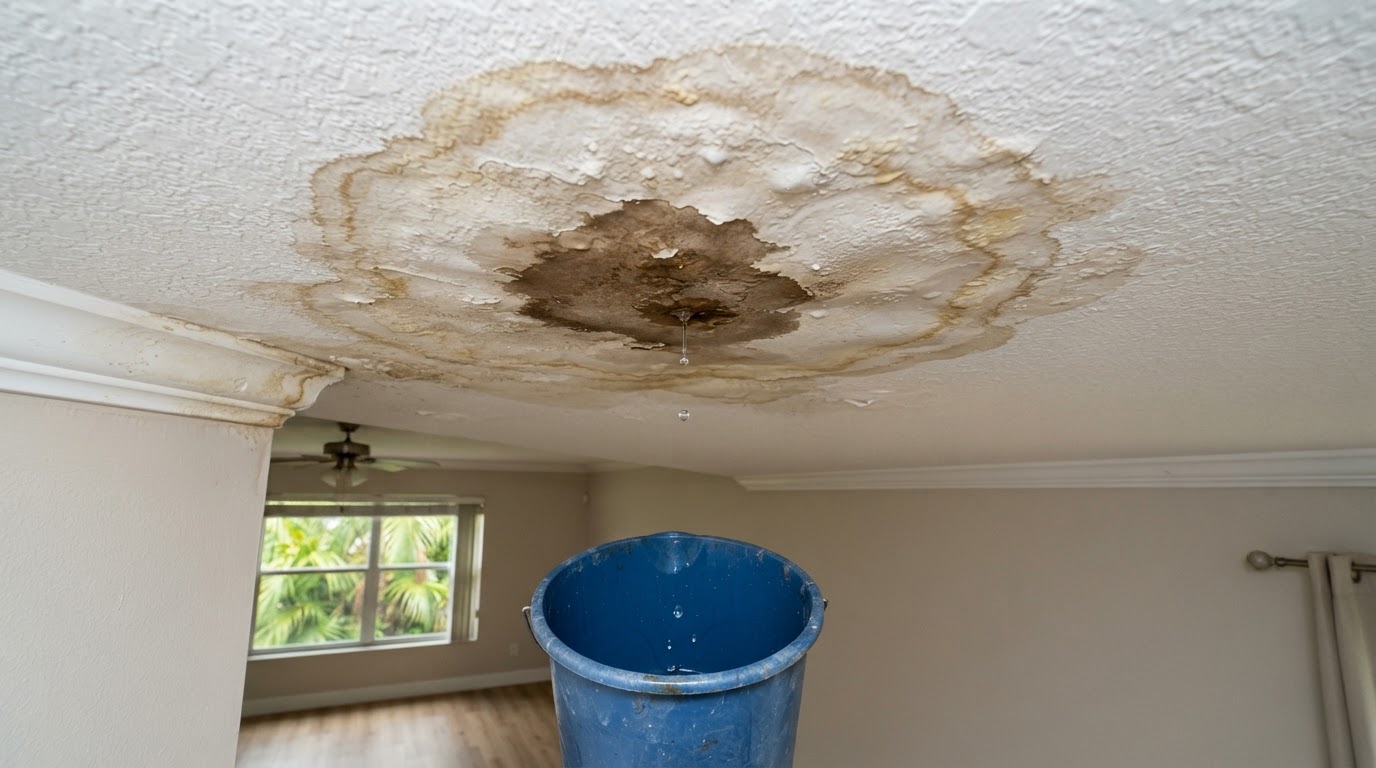
In a high-rise, plumbing risers run through shared walls from floor to floor. A slow leak in a unit above can travel down through the shared wall cavity and grow mold in your ceiling — even though the source is not yours. In older towers, aging risers make this pattern common.
Salt air and AC corrosion
Towers near the beach are exposed to salt-laden air that corrodes AC coils, condensate pans, and metal components faster than inland. Corroded pans crack and lines clog, making condensate failures the most common indoor moisture source in these buildings.
Seasonal vacancy
Many Hallandale Beach units sit vacant for months while owners are away. Without dehumidification, humidity spikes and condensation settles on every surface — including finishes and contents. Vacancy-driven mold is the most common pattern in this market.
Warning signs for condo owners
- A musty smell when you return to a vacant unit.
- A musty smell strongest when the AC first turns on.
- Water stains on the ceiling below the unit above.
- Visible dark growth around a supply vent or air handler closet.
- Discoloration on clothing, furniture, or finishes after a vacancy.
In a Hallandale Beach tower, three mold drivers stack: the unit above, the salt air outside, and the months your unit sits vacant. All three are worth checking before you move back in.
The snowbird vacancy and the closed-up unit
Hallandale Beach is one of South Florida's heaviest snowbird markets — many tower units are occupied only from roughly November through April and sit vacant through the hottest, most humid months of the year. A common and costly mistake is closing the unit up tightly, turning the AC off or setting it high, and walking away for the summer. In a sealed high-rise unit with no dehumidification, indoor humidity climbs above 70% within days of the AC shutting down, and condensation settles on every cool surface — windows, walls, cabinetry, clothing, and artwork. Because towers share walls, the humidity from a closed-up vacant unit can also raise the moisture load in adjacent units. The single most effective prevention step for a seasonally vacant Hallandale Beach unit is to keep the AC running at a humidity-holding setpoint — not a comfort setpoint — so the system dehumidifies even while the unit is unoccupied. A smart thermostat with humidity monitoring and phone alerts lets you track conditions remotely and catch a problem before it becomes a restoration project.
- Never close up a Hallandale Beach unit and turn the AC off for the summer — humidity will exceed 70% within days.
- Set the AC to a humidity-holding setpoint (aiming for under 55%) so it dehumidifies while vacant.
- A smart thermostat with humidity alerts lets you catch a spike remotely before mold establishes.
- Have someone check the unit monthly while you are away, and leave interior doors open for airflow.
Balcony enclosures and wind-driven rain
Most Hallandale Beach towers have balconies, and many owners enclose them with sliding windows or screens. That enclosure changes how the balcony dries after rain: the enclosure slows airflow, and the balcony floor and the wall where it meets the unit can stay damp long after a storm. Wind-driven rain against the enclosure can also push water through the balcony door track and into the unit's floor edge — a path that is easy to miss because the water enters along the sliding-door track, not through a visible leak. After any storm with wind from the east, check the balcony floor, the sliding-door track, and the flooring near the balcony door for moisture. A balcony that drains and dries within a day is fine; one that stays damp after a storm may have a track or seal issue that is feeding moisture into the unit's floor edge.
Shared-wall humidity and the neighboring unit
In a Hallandale Beach tower, your unit shares walls with the units on either side, and the humidity in those units affects yours. If a neighboring unit is closed up and vacant with the AC off, its rising humidity migrates through the shared wall and raises the moisture load in your unit — even if yours is well-managed. This is why a musty smell in a unit that is otherwise controlled can trace to a neighbor's vacancy, not a leak in your unit. If you notice a recurring musty odor on a shared wall and your own humidity is under control, ask the association whether the adjacent unit is vacant and whether its humidity is being managed. In some cases the association can arrange for the vacant unit's AC to be run or a dehumidifier to be placed, which protects both units.
Prevention for condo owners
- Service AC condensate systems every six months near the beach.
- If you leave seasonally, keep the AC running at a humidity-holding setpoint, not off.
- Have someone check your unit monthly while away.
- Report ceiling stains to the association promptly and in writing.
- Leave interior doors open for airflow during vacancy.
- Use a smart thermostat with humidity monitoring and phone alerts.
When to test
- Before reopening a seasonally vacant unit if any odor is present.
- After a leak from the unit above or a condensate failure.
- When a musty smell persists after AC service, especially on a shared wall.
- After any storm with wind-driven rain against a balcony enclosure.
- Before buying a condo in a Hallandale Beach tower.
Frequently asked questions
Can mold from the unit above affect my condo?+
Yes. Plumbing risers run through shared walls, and a leak above can travel down and grow mold in your ceiling. A moisture inspection can trace the water path.
Why is seasonal vacancy such a big mold risk here?+
Hallandale Beach is a heavy snowbird market. Months without AC dehumidification let indoor humidity spike above 70%, and condensation settles on every surface — growing mold on contents and drywall even without a leak.
Can a vacant neighbor's unit affect my unit's mold risk?+
Yes. Shared walls transmit humidity, so a closed-up vacant unit next door can raise the moisture load in your unit even if yours is well-managed. Ask the association if the adjacent unit's humidity is being managed.
How often should a beachfront tower AC be serviced?+
Every six months is reasonable near the ocean, versus annually inland. The condensate pan, line, and coil should be checked at every service.
Should I test a condo before buying it in Hallandale Beach?+
Yes. Stacked plumbing, salt air, balcony enclosure leaks, and possible vacancy history all add hidden moisture paths. A pre-purchase inspection is especially valuable in towers.
Related resources
If you own or are buying a condo in Hallandale Beach, connect with our recommended local mold testing provider for an assessment that includes the unit above, the AC system, balcony enclosures, and vacancy-related humidity.
Need professional mold testing in South Florida?
Connect with our recommended local mold testing provider, MoldXperts, for an independent assessment.
Looking for professional mold testing in Fort Lauderdale? Connect with our recommended local mold testing provider. We may receive compensation when you contact our featured provider.
About this article
This article is published by Best Mold Testing Fort Lauderdale as an independent educational resource. It is reviewed for accuracy and reflects publicly available guidance from agencies including the EPA, CDC, and Florida DBPR. It is not a substitute for professional advice specific to your property.
Get mold prevention tips in your inbox
The South Florida Mold & Healthy Home Newsletter — practical, no spam.