Scheduled article — publishes on June 29, 2027. Not yet visible on the public blog feed.
Summer Vacancy and Mold in Fort Lauderdale Homes: The Seasonal Risk
Homes left vacant for summer travel in Fort Lauderdale face a specific mold risk. Here is what happens and how to prevent it.
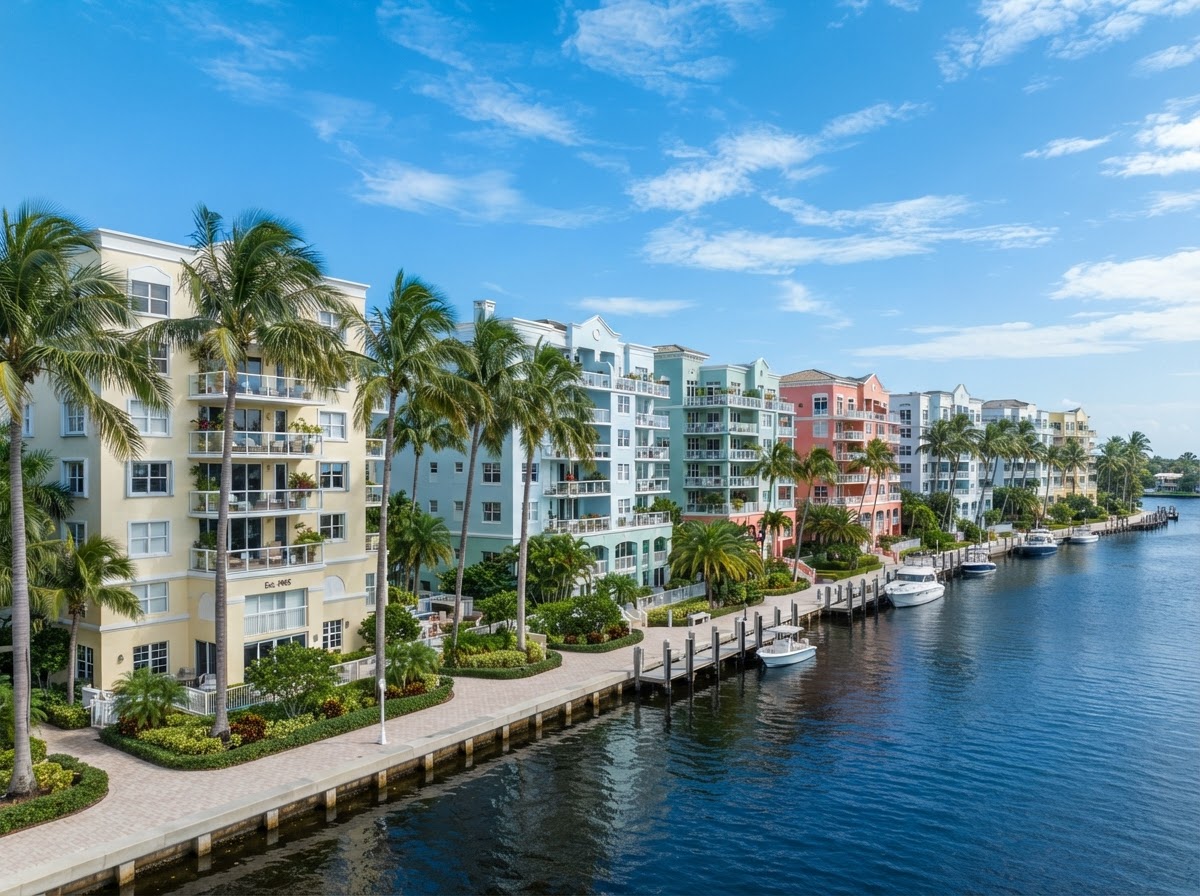
Summer is when many Fort Lauderdale residents travel — and it is also the peak of the mold risk calendar. A home left vacant with the AC off or set high becomes a humidity chamber in exactly the season when outdoor humidity is highest. This article explains what happens and how to prevent it.
What happens in a vacant summer home
Without AC dehumidification, indoor humidity climbs toward outdoor levels — 75–85% in a South Florida summer. Condensation settles on every surface: walls, ceilings, furniture, clothing, and contents. Mold grows on organic materials (drywall paper, wood, fabric, leather) even with no water leak. The damage is often whole-home rather than localized.
Where mold establishes first
- Closets and closed rooms with no airflow.
- Leather goods, clothing, and stored fabrics.
- Behind furniture against exterior walls.
- Bathroom and kitchen surfaces.
- AC vents and the air handler (if the system cycles occasionally).
How to prevent vacancy mold
- Keep the AC running — set it 78–80°F rather than turning it off.
- Use a smart hygrometer to monitor humidity remotely; set alerts above 60%.
- Leave interior doors open for airflow.
- Have someone check the home monthly.
- Consider a whole-home dehumidifier if the AC alone cannot keep up.
When to test after returning
- Any musty odor on return.
- Any discoloration on walls, ceilings, or contents.
- Humidity readings that stayed high while away.
- Before cleaning — testing first confirms the extent and source.
Summer vacancy is the highest-risk mold scenario in a South Florida home: peak outdoor humidity, no dehumidification, and nobody there to notice. The AC left running is the cheapest insurance there is.
Frequently asked questions
Why is summer vacancy the highest-risk mold scenario?+
Peak outdoor humidity (75–85%), no AC dehumidification, and nobody present to notice. Condensation settles on every surface and mold grows even without a leak.
What AC setting should I use when traveling?+
78–80°F rather than off. The system still dehumidifies at that setting, which is what prevents the humidity spike.
Can mold grow on my belongings without a leak?+
Yes. High humidity alone lets mold grow on organic materials — leather, fabric, paper, wood. Vacancy-driven mold often affects contents throughout the home.
Should I test before cleaning when I return?+
Yes. Cleaning visible mold without confirming the extent and source can spread spores. Testing first confirms what is present and where.
Related resources
If you are returning to a Fort Lauderdale home that was vacant this summer and suspect mold, connect with our recommended local mold testing provider for an assessment before you start cleaning.
Need professional mold testing in South Florida?
Connect with our recommended local mold testing provider, MoldXperts, for an independent assessment.
Looking for professional mold testing in Fort Lauderdale? Connect with our recommended local mold testing provider. We may receive compensation when you contact our featured provider.
About this article
This article is published by Best Mold Testing Fort Lauderdale as an independent educational resource. It is reviewed for accuracy and reflects publicly available guidance from agencies including the EPA, CDC, and Florida DBPR. It is not a substitute for professional advice specific to your property.
Get mold prevention tips in your inbox
The South Florida Mold & Healthy Home Newsletter — practical, no spam.