Scheduled article — publishes on April 12, 2027. Not yet visible on the public blog feed.
Mold Testing in Fort Lauderdale Rental Properties: Landlord and Tenant Responsibilities
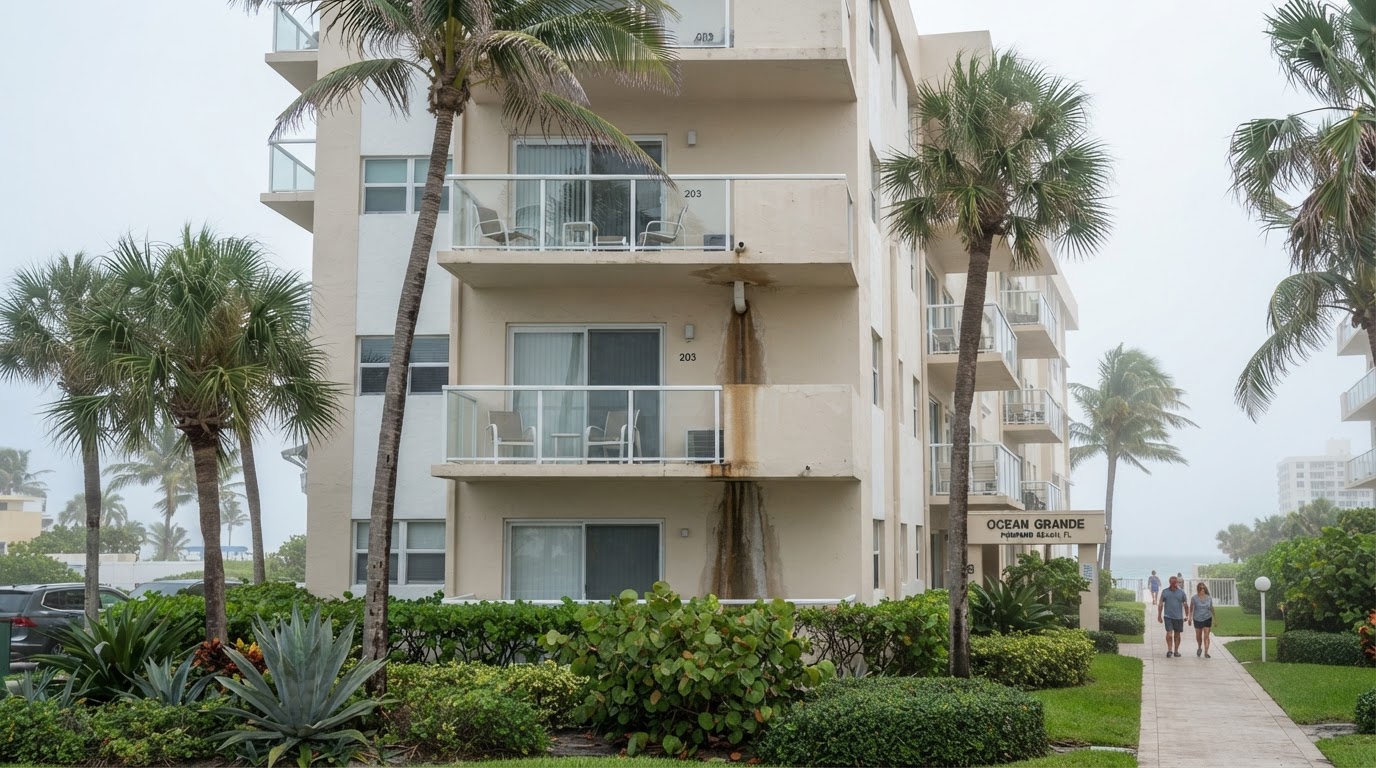
Rental properties in Fort Lauderdale face unique mold dynamics — vacancy, tenant reporting, and habitability law. Here is what landlords should know.
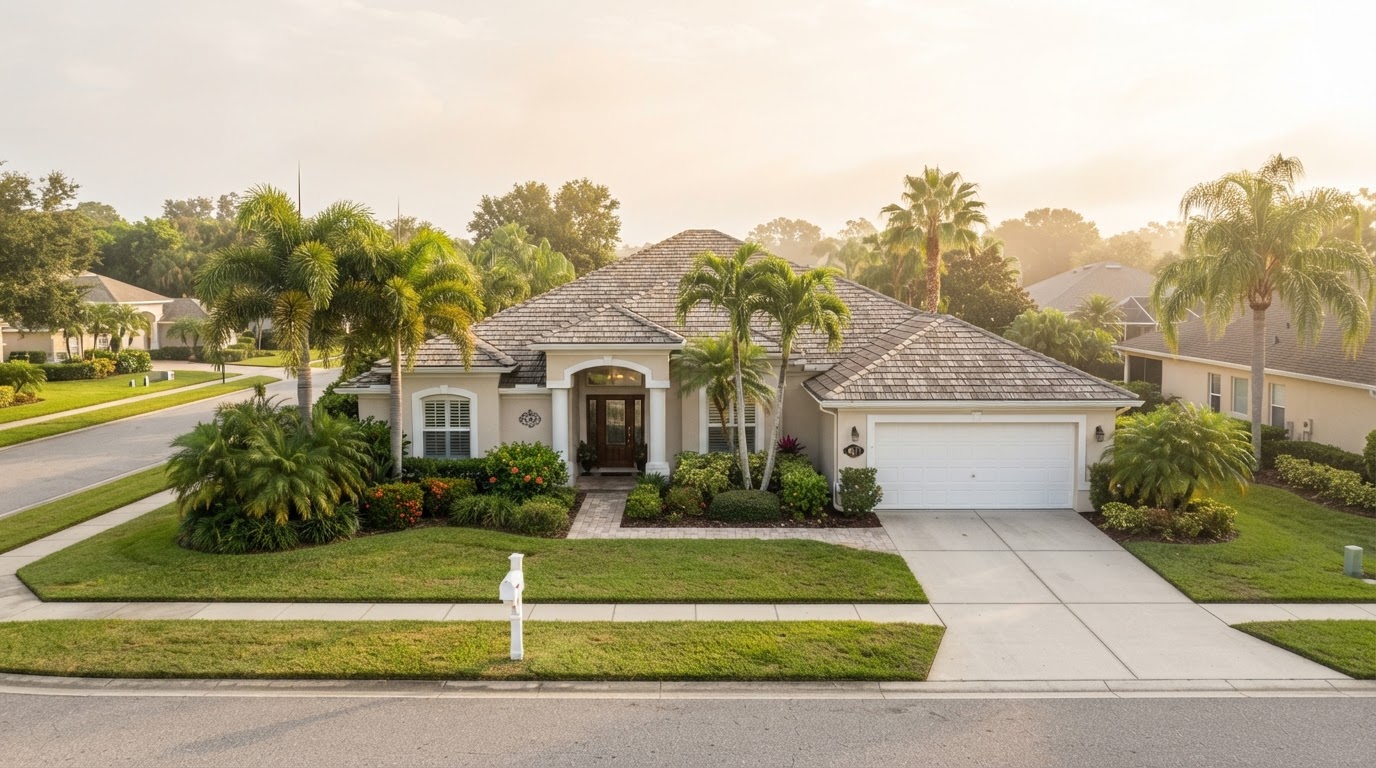
Rental properties in Fort Lauderdale face mold dynamics that owner-occupied homes do not: turnover vacancy, tenant reporting behavior, and Florida's habitability requirements. For landlords, a documented mold assessment is both a maintenance tool and legal protection. This article explains what Fort Lauderdale landlords should know about mold testing in their rental properties.
Florida habitability and mold
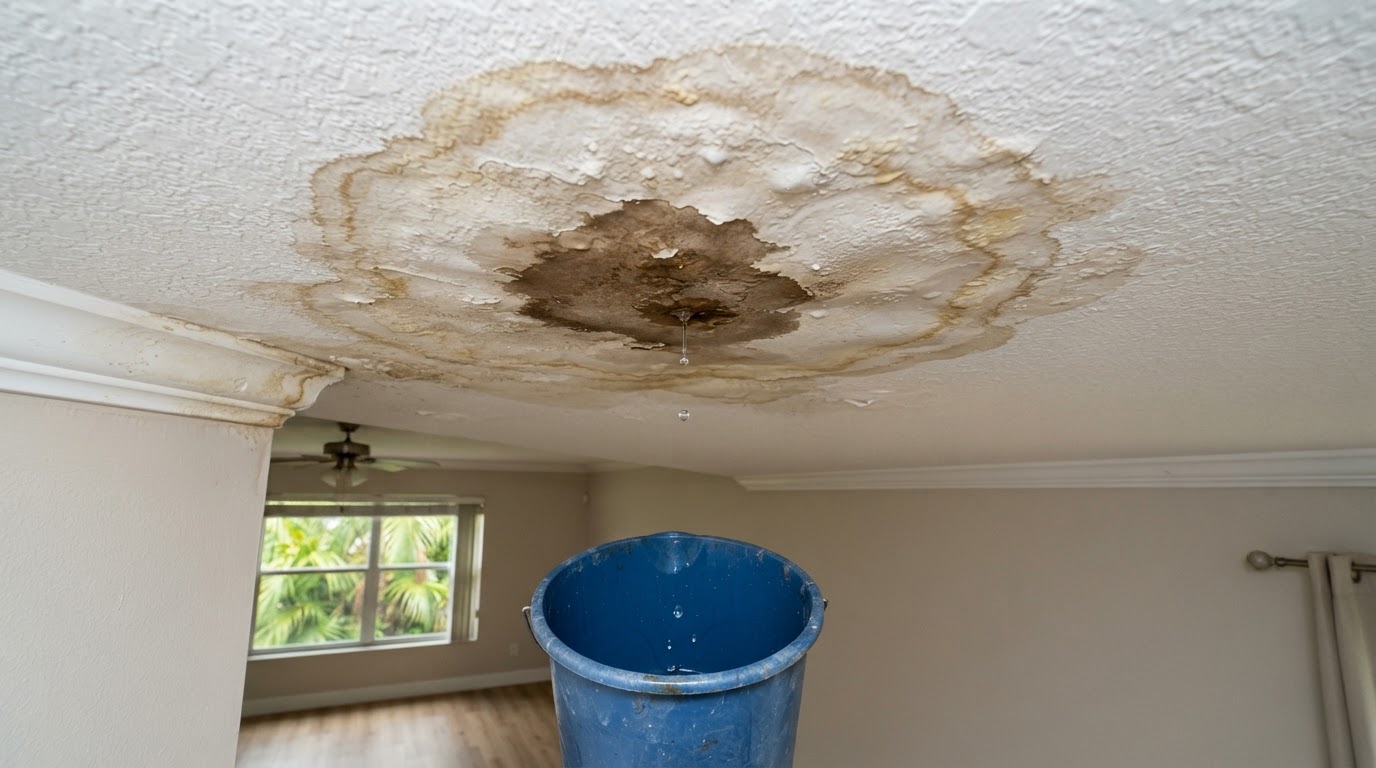
Florida law requires landlords to maintain rental properties in a condition fit for habitation, including keeping them free of conditions that threaten health. Mold caused by unaddressed moisture can become a habitability issue, and tenants have remedies — including rent withholding in some circumstances. A documented assessment shows the landlord took the concern seriously.
Tenant reporting behavior
Tenants often delay reporting moisture problems — sometimes because they fear blame or rent consequences. By the time a leak is reported, mold may be established. Landlords who encourage prompt reporting and respond quickly reduce both the mold risk and the legal exposure.
Turnover vacancy
Between tenants, units may sit vacant with the AC off or set high. Without dehumidification, humidity spikes and mold can grow on contents and surfaces even with no leak. Testing between tenancies catches problems before the next tenant moves in.
What landlords should do
- Include mold-reporting language in the lease and respond promptly to reports.
- Keep the AC running and humidity below 55% during turnover vacancy.
- Test between tenancies if any odor or stain is present.
- Document every moisture report and response in writing.
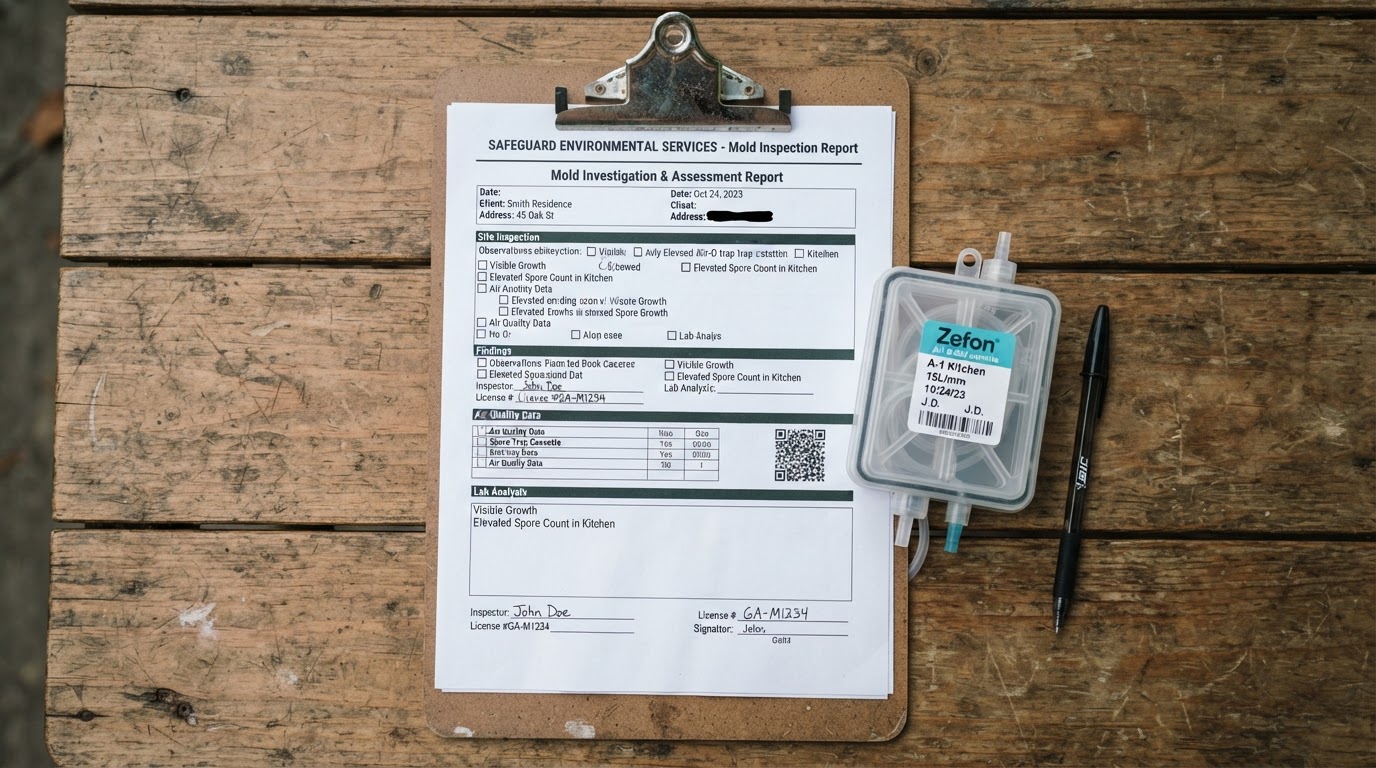
- Use an independent assessor so findings are unbiased.
For a landlord, a documented mold assessment is not just maintenance — it is evidence that you responded responsibly if a habitability dispute ever arises.
The vacancy gap and the humidity that follows
The highest-risk period for a Fort Lauderdale rental property is the gap between tenants, when the unit sits vacant and the AC is often turned off or set high to save on the electric bill. In a sealed South Florida unit with no dehumidification, indoor humidity climbs above 70% within days, and condensation settles on every surface — walls, ceilings, cabinetry, and any contents left behind. Mold can grow on drywall and contents even with no leak at all, purely from the humidity. When the next tenant moves in and the AC starts running, the first thing they notice is a musty smell — and by then the mold is established. The fix is simple and cheap: keep the AC running at a humidity-holding setpoint during every vacancy gap, not a comfort setpoint. The electricity cost of running the AC during a vacancy is a fraction of the cost of a mold remediation before the next tenant can move in. If you manage Fort Lauderdale rentals, include a humidity-holding AC protocol in your turnover checklist.
- The highest-risk period is the vacancy gap between tenants, when the AC is often turned off to save power.
- Keep the AC running at a humidity-holding setpoint during every vacancy — the power cost is a fraction of a remediation.
- The first sign of vacancy-driven mold is a musty smell when the next tenant turns on the AC.
- Include a humidity-holding AC protocol in your turnover checklist.
The tenant report and the documentation trail
When a tenant reports moisture or a musty smell, the landlord's response is both a maintenance action and a legal one. Florida's habitability requirements mean that a tenant who reports mold caused by unaddressed moisture may have remedies, including rent withholding in some circumstances. The landlord's protection is a documentation trail: acknowledge the report in writing, schedule an assessment promptly, document the findings and any remediation, and confirm resolution in writing. An independent mold assessment — one done by an assessor who does not also do the remediation — produces an unbiased report that protects the landlord if a dispute arises. If you receive a mold report from a Fort Lauderdale tenant, respond in writing within a day or two, schedule an independent assessment, and keep every document in the tenant's file. The paper trail is what demonstrates you took the concern seriously and acted responsibly.
When to test a rental property
- After any tenant moisture report.
- Between tenancies, especially after vacancy.
- After any leak, flood, or storm-related water intrusion.
- Before re-listing a unit that had a mold complaint.
Frequently asked questions
Is a landlord responsible for mold in Florida?+
Florida's habitability requirements mean landlords must address conditions that threaten health, including mold caused by unaddressed moisture. Prompt response and documentation are essential.
Should I test between tenants?+
Yes, especially if the unit sat vacant or a tenant reported any moisture issue. Testing between tenancies catches problems before the next tenant moves in.
Why use an independent assessor for a rental?+
An independent assessor has no financial stake in the cleanup, so their findings are unbiased — which matters if the assessment is ever part of a dispute.
Can vacancy between tenants cause mold?+
Yes. Without AC dehumidification, humidity spikes and mold can grow on contents and surfaces even with no leak. Keep the AC running during vacancy.
Related resources
If you own rental property in Fort Lauderdale and need a documented mold assessment, connect with our recommended local mold testing provider for independent testing and a written report.
Need professional mold testing in South Florida?
Connect with our recommended local mold testing provider, MoldXperts, for an independent assessment.
Looking for professional mold testing in Fort Lauderdale? Connect with our recommended local mold testing provider. We may receive compensation when you contact our featured provider.
About this article
This article is published by Best Mold Testing Fort Lauderdale as an independent educational resource. It is reviewed for accuracy and reflects publicly available guidance from agencies including the EPA, CDC, and Florida DBPR. It is not a substitute for professional advice specific to your property.
Get mold prevention tips in your inbox
The South Florida Mold & Healthy Home Newsletter — practical, no spam.