Mold Testing vs. Mold Remediation, Explained
Testing finds the problem; remediation fixes it. Keeping these two roles separate protects you from conflicts of interest.
These two terms are often used interchangeably, but they describe two different jobs — and understanding the difference matters when you are spending money and protecting your home.
Mold testing (assessment)
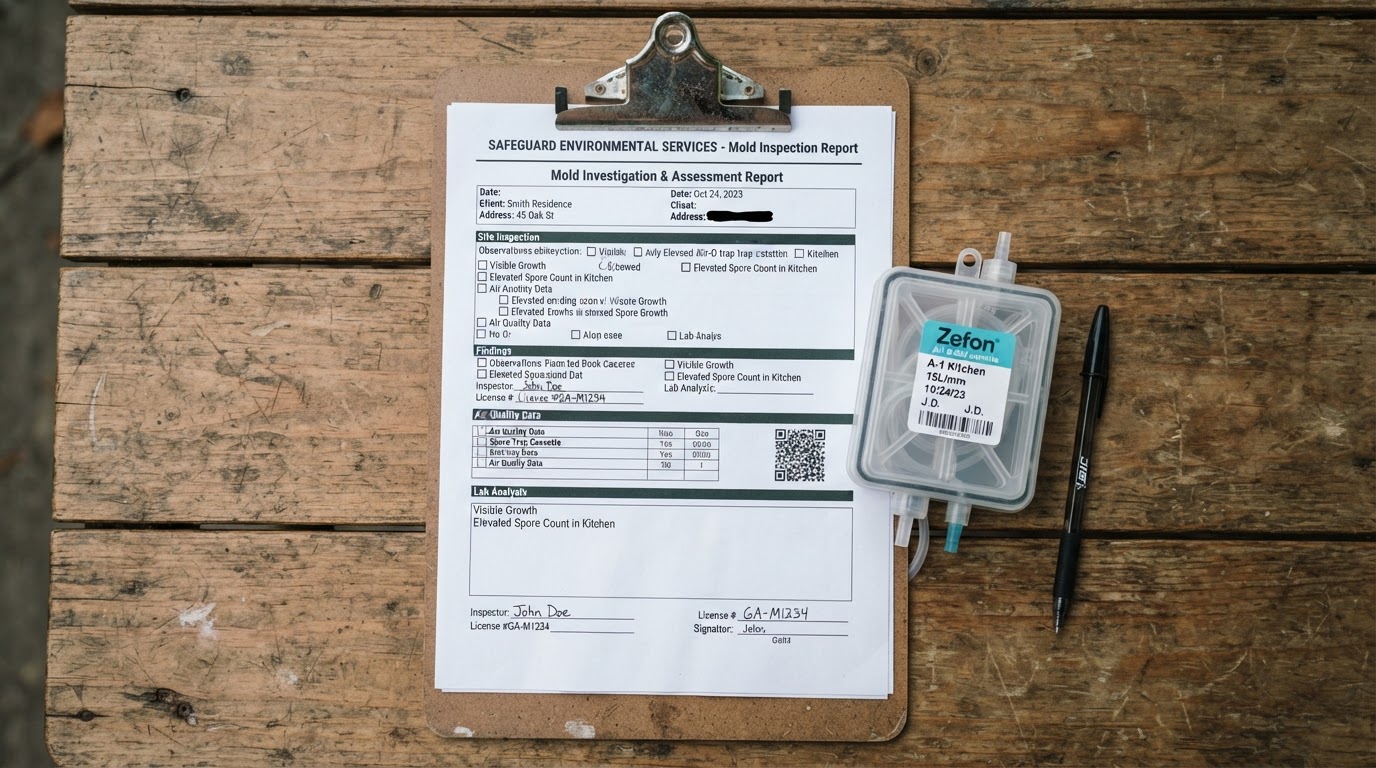
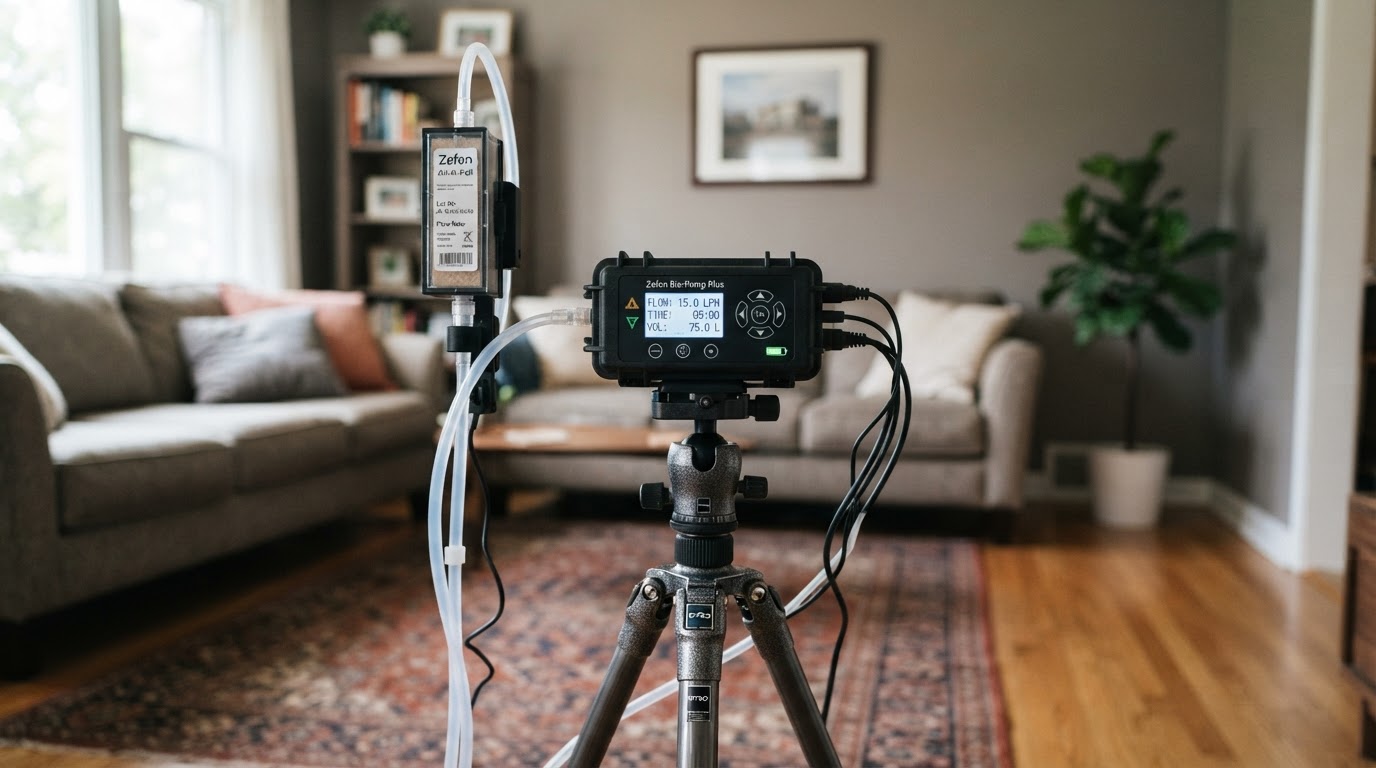
Testing is the investigative phase. An independent mold assessor inspects the property, identifies moisture sources, and collects air or surface samples for laboratory analysis. The deliverable is a written report describing what was found, what type of mold it is, how much is present, and what the next steps should be. Testing does not remove any mold.
Mold remediation (removal)
Remediation is the cleanup phase. A remediation contractor contains the affected area, removes contaminated materials, cleans surfaces, and addresses the moisture source so mold does not return. Remediation is physical work — it does not involve lab analysis or a written assessment.
Why the separation matters
If the same company both tests and remediates, it has a financial incentive to find mold that needs removing. An independent assessor has no stake in the cleanup, so their findings and recommendations are unbiased. After remediation, a separate round of testing — called post-remediation verification — confirms the cleanup actually worked.
The assessor finds the problem and writes the scope. The remediator does the work. A different assessor verifies the work is done. Each role checks the others.
Need an independent assessment before you hire a remediator? Connect with our recommended local mold testing provider for unbiased testing and a clear written report.
Need professional mold testing in South Florida?
Connect with our recommended local mold testing provider, MoldXperts, for an independent assessment.
Looking for professional mold testing in Fort Lauderdale? Connect with our recommended local mold testing provider. We may receive compensation when you contact our featured provider.
About this article
This article is published by Best Mold Testing Fort Lauderdale as an independent educational resource. It is reviewed for accuracy and reflects publicly available guidance from agencies including the EPA, CDC, and Florida DBPR. It is not a substitute for professional advice specific to your property.
Get mold prevention tips in your inbox
The South Florida Mold & Healthy Home Newsletter — practical, no spam.