Scheduled article — publishes on April 18, 2027. Not yet visible on the public blog feed.
Post-Remediation Mold Verification in Fort Lauderdale: How to Confirm the Job Was Done
After mold remediation in Fort Lauderdale, verification testing confirms the cleanup worked. Here is how the process works and why it matters.
Mold remediation in Fort Lauderdale is a significant investment — and the only way to confirm it actually worked is post-remediation verification, sometimes called clearance testing. This article explains how the process works, what it checks, and why the verification should be done by someone other than the remediator.
What post-remediation verification is
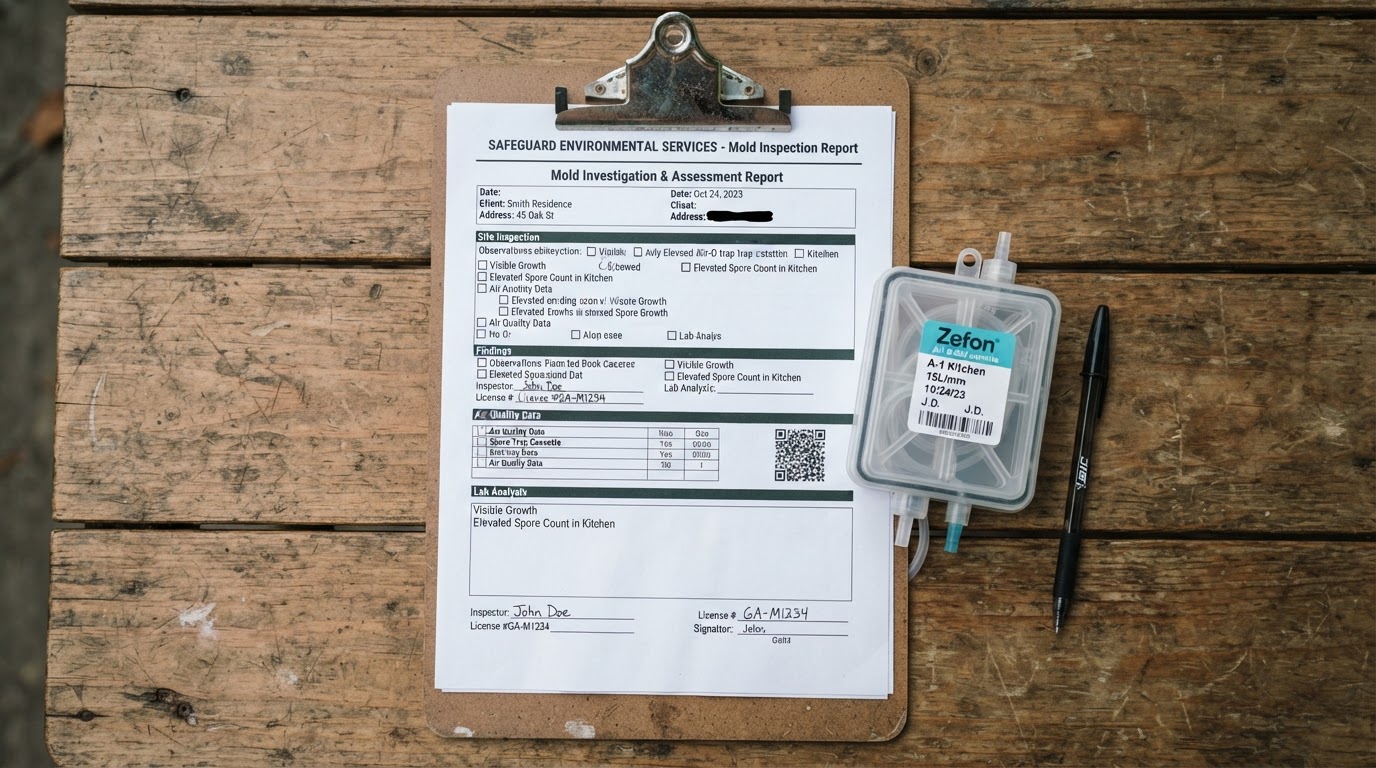
Verification is a round of testing performed after remediation is complete and before containment is removed or payment is finalized. It confirms that contaminated material was removed, surfaces were cleaned properly, and moisture was corrected — so mold will not return. The deliverable is a written report documenting the results.
What verification checks
- Visual inspection: no visible growth or debris remains in the work area.
- Moisture readings: previously wet materials are now dry.
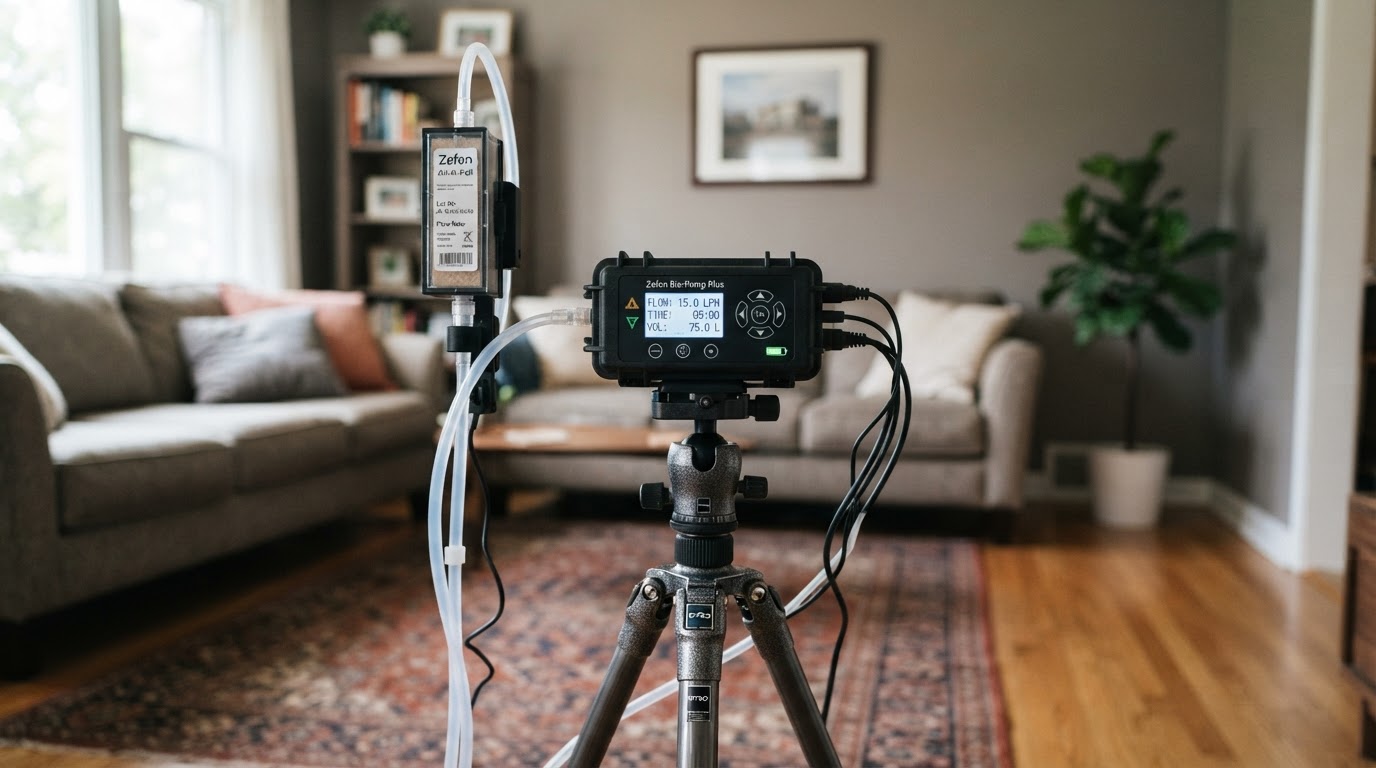
- Air sampling: spore levels in the work area compare to outdoor baseline levels.
- Surface sampling (where appropriate): cleaned surfaces show no residual growth.
- Source correction: the moisture problem that caused the mold has been fixed.
Why independence matters
If the remediator verifies their own work, they are grading their own homework. An independent assessor has no financial stake in the outcome, so their clearance report is credible — to you, your insurance company, and any future buyer. Florida's licensing framework separates mold assessment from remediation for exactly this reason.
When to schedule verification
- After remediation is complete, before containment is removed.
- Before final payment to the remediation contractor.
- Before closing a real estate transaction where remediation occurred.
- Before an insurance claim is closed, if the remediation was claim-related.
Verification is the difference between believing the job was done and knowing it was. Schedule it before final payment — not after.
The moisture source and the return of mold
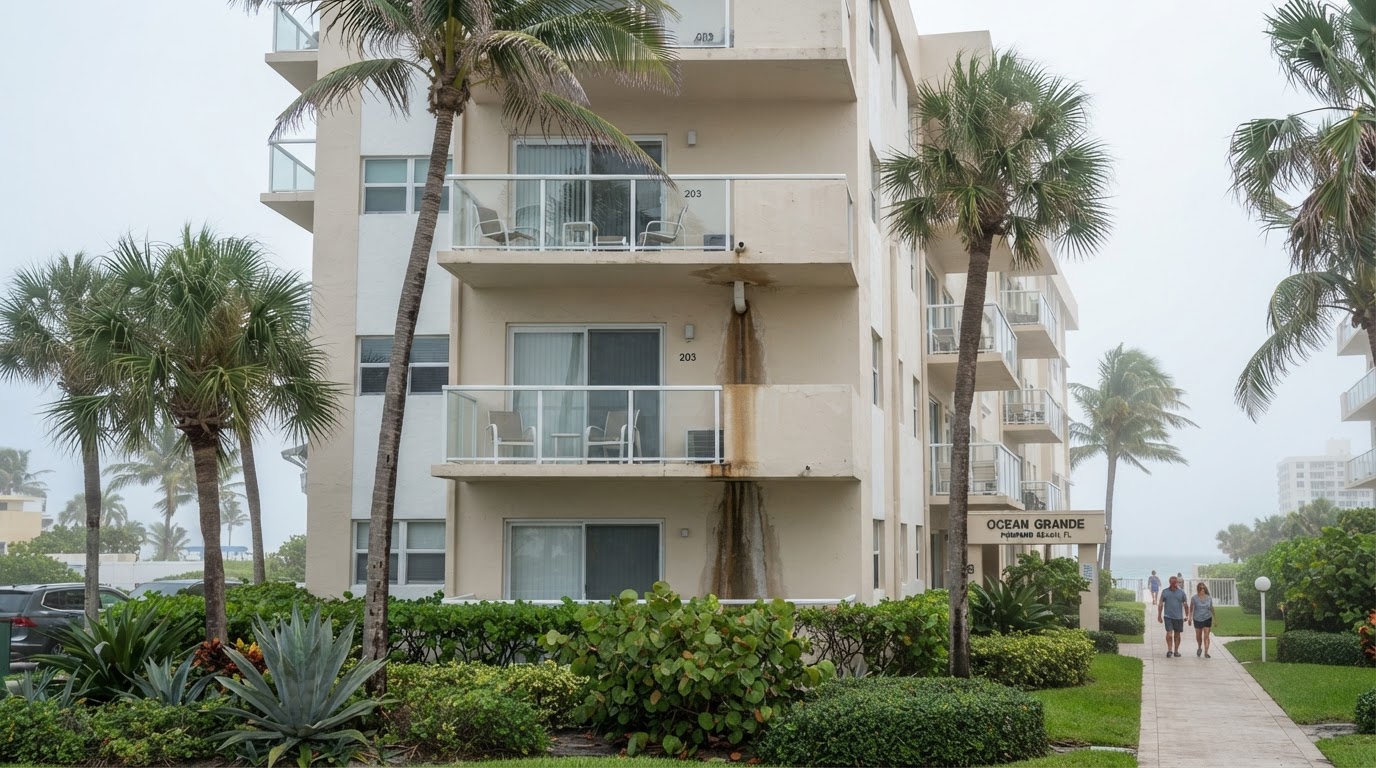
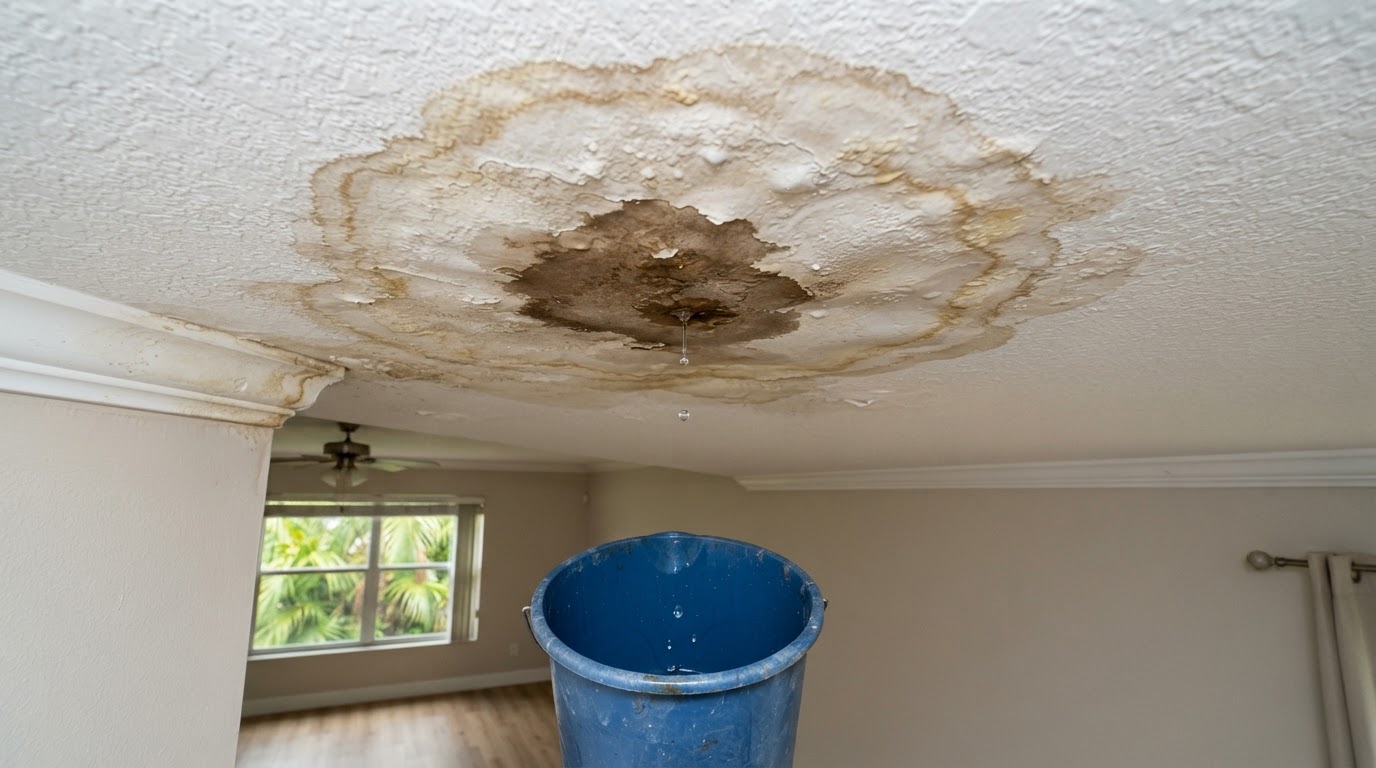
The single most important question in post-remediation verification is whether the moisture source that caused the mold has been corrected. Mold remediation that removes the growth but leaves the moisture source in place is a temporary fix — the mold will return as soon as the conditions that grew it the first time return. In Fort Lauderdale, the most common moisture sources are AC condensate failures, roof leaks, plumbing leaks, and water-table seepage, and each requires a different correction. Verification should confirm not only that the mold was removed but that the moisture source was fixed: the condensate line cleared, the roof flashing repaired, the plumbing leak fixed, the drainage improved. If the moisture source is not corrected, the verification should flag it — because a clean air sample today means nothing if the conditions that grew the mold are still present. Before you accept a clearance report, confirm it addresses the moisture source, not just the mold.
- The most important verification question is whether the moisture source was corrected — not just whether the mold was removed.
- Mold remediation that leaves the moisture source in place is a temporary fix that will fail.
- Common Fort Lauderdale moisture sources: condensate failures, roof leaks, plumbing leaks, water-table seepage.
- Before accepting a clearance report, confirm it addresses the moisture source, not just the mold.
The clearance report and the future buyer
A post-remediation verification report has value long after the remediation is complete — it is the document a future buyer will ask for if the home is ever sold. A documented, verified remediation with a clean clearance report is far better for resale than an undocumented one, because it shows the work was done properly and independently verified. If you ever sell the Fort Lauderdale home where remediation occurred, the clearance report is the evidence that the mold problem was found, corrected, and verified — and that the moisture source was fixed. Keep the clearance report with your home records, and if you are buying a home with a disclosed remediation history, ask for the clearance report. The report is what turns a disclosed mold history from a liability into a documented, resolved condition.
Frequently asked questions
What is clearance testing?+
Clearance testing is post-remediation verification — a round of visual inspection, moisture readings, and air or surface sampling that confirms the cleanup worked and the moisture source was corrected.
Who should perform verification?+
An independent, licensed mold assessor — not the remediation contractor. Independence means the report is credible to you, your insurer, and future buyers.
When should verification happen?+
After remediation is complete and before containment is removed or final payment is made. Verifying before payment protects you if re-cleaning is needed.
What happens if verification fails?+
The remediator re-cleans the affected areas and verification is repeated. This is why verification before final payment matters — it gives you leverage to require the job be done right.
Related resources
If you have completed mold remediation in Fort Lauderdale, connect with our recommended local mold testing provider for independent clearance testing and a written verification report.
Need professional mold testing in South Florida?
Connect with our recommended local mold testing provider, MoldXperts, for an independent assessment.
Looking for professional mold testing in Fort Lauderdale? Connect with our recommended local mold testing provider. We may receive compensation when you contact our featured provider.
About this article
This article is published by Best Mold Testing Fort Lauderdale as an independent educational resource. It is reviewed for accuracy and reflects publicly available guidance from agencies including the EPA, CDC, and Florida DBPR. It is not a substitute for professional advice specific to your property.
Get mold prevention tips in your inbox
The South Florida Mold & Healthy Home Newsletter — practical, no spam.