Scheduled article — publishes on June 23, 2027. Not yet visible on the public blog feed.
Mold in New Fort Lauderdale Construction: Defects, Warranty Claims, and Testing
New construction in Fort Lauderdale can develop mold from defects — flashing, stucco, plumbing rough-ins. Here is how testing documents the problem.
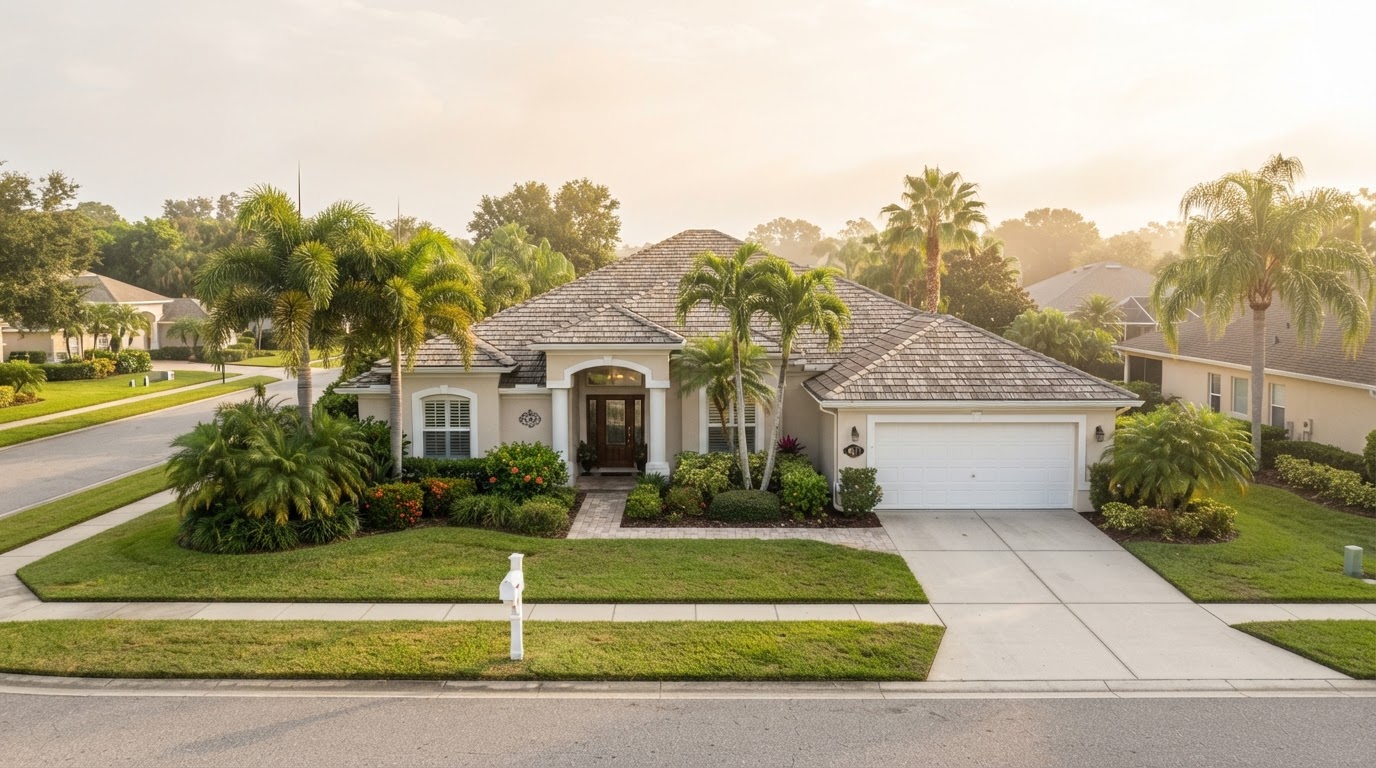
Homeowners assume new means safe from mold. In Fort Lauderdale's newer construction, the opposite pattern often appears: construction defects — improper window flashing, stucco cracks, plumbing rough-in errors — create moisture paths that feed hidden mold within the first few years. This article explains how testing documents these defects for warranty claims.
Common construction defects that cause mold
- Improper window flashing: wind-driven rain enters the wall cavity at window openings.
- Stucco cracks: hairline cracks let moisture into the wall assembly over time.
- Plumbing rough-in errors: poorly sealed connections leak slowly inside walls.
- Inadequate attic ventilation: trapped humidity condenses on sheathing.
- Oversized AC: short-cycling fails to dehumidify, keeping indoor humidity high.
Why defects hide for years
A flashing defect or stucco crack lets small amounts of moisture in with every rain. The wall cavity stays damp but never shows on the finished side — until mold is established and the damage is extensive. By then, the builder warranty period may be close to expiring.
How testing documents a warranty claim
A professional assessment provides the evidence a builder or their insurer responds to: moisture mapping showing elevated readings at specific locations, thermal imaging showing the moisture path, lab results confirming mold, and photos documenting everything. This connects the mold to a specific construction defect — which is what a warranty claim requires.
What a homeowner should do
- Report any water stain, musty odor, or discoloration to the builder in writing while the warranty is active.
- Get a professional assessment that documents the moisture source and extent.
- Keep copies of all correspondence and reports.
- Do not start remediation before the defect is documented.
- Know your warranty deadlines — Florida construction defect notice periods are strict.
A new home can hide a construction defect for years. The assessment that documents the moisture path is what turns a suspicion into a warranty claim.
Frequently asked questions
Can new construction really have mold problems?+
Yes. Construction defects — flashing, stucco, plumbing rough-ins — create moisture paths that feed hidden mold within the first few years, even in new construction.
How does testing help a builder warranty claim?+
It provides the evidence: moisture mapping at specific locations, thermal imaging of the moisture path, lab results confirming mold, and photos. That connects the mold to a specific defect.
Should I remediate before documenting the defect?+
No. Remediation can destroy the evidence. Document first, then remediate.
What if my warranty period is ending?+
Report the concern in writing immediately — the notice date matters. A documented assessment submitted before the deadline preserves your claim.
Related resources
If your new Fort Lauderdale home shows moisture or mold and you suspect a construction defect, connect with our recommended local mold testing provider for a documented assessment that supports a warranty claim.
Need professional mold testing in South Florida?
Connect with our recommended local mold testing provider, MoldXperts, for an independent assessment.
Looking for professional mold testing in Fort Lauderdale? Connect with our recommended local mold testing provider. We may receive compensation when you contact our featured provider.
About this article
This article is published by Best Mold Testing Fort Lauderdale as an independent educational resource. It is reviewed for accuracy and reflects publicly available guidance from agencies including the EPA, CDC, and Florida DBPR. It is not a substitute for professional advice specific to your property.
Get mold prevention tips in your inbox
The South Florida Mold & Healthy Home Newsletter — practical, no spam.


