Scheduled article — publishes on June 11, 2027. Not yet visible on the public blog feed.
Landlord-Tenant Mold Disputes in Fort Lauderdale: How Testing Resolves Them
Mold disputes between landlords and tenants in Fort Lauderdale often come down to evidence. Here is how professional testing provides it.
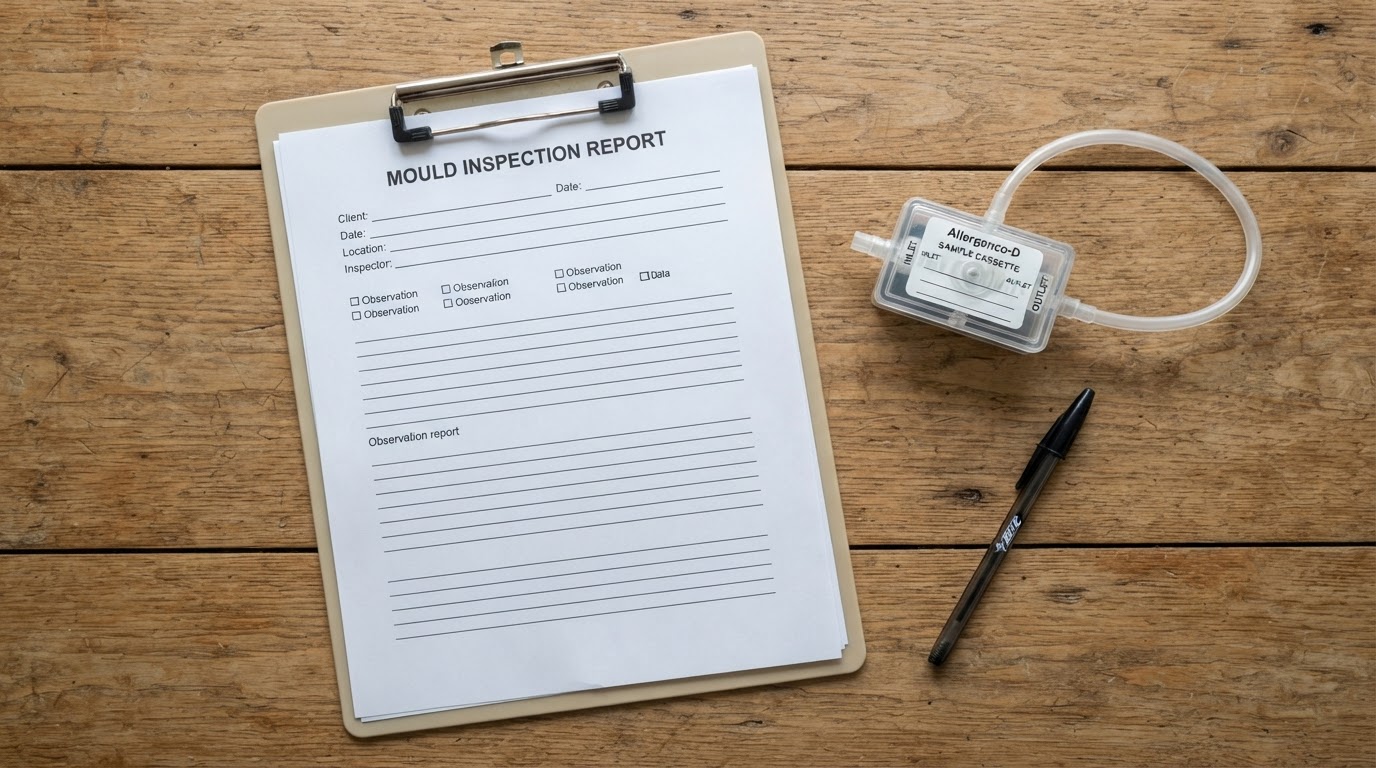
When mold appears in a Fort Lauderdale rental, landlord and tenant often disagree about the cause — and the dispute stalls without evidence. Professional mold testing provides that evidence: what is present, where the moisture came from, and who is responsible. This article explains how testing resolves these disputes.
Why disputes stall without evidence
The landlord may believe the tenant caused the moisture (poor ventilation, not reporting a leak); the tenant may believe the property had a pre-existing problem. Without documentation, both positions are assertions. Florida's habitability law requires landlords to maintain fit conditions, but responsibility follows the moisture source — and the source requires evidence to determine.
What testing establishes
- Whether mold is present, what type, and how much.
- The extent of the affected area.
- The moisture source — a plumbing leak, a condensate failure, or ventilation-related condensation.
- Whether the source is a building system (landlord responsibility) or a tenant behavior pattern.
How the report is used
A documented assessment gives both parties a factual basis. If the source is a building system, the landlord has a clear remediation obligation and the tenant has documentation of the problem. If the source is tenant behavior, the landlord has documentation for the conversation. Either way, the dispute moves from assertion to evidence.
What both parties should do
- Tenants: report moisture problems promptly and in writing.
- Landlords: respond promptly and document every report and response.
- Both: agree on an independent, licensed assessor so findings are unbiased.
- Both: keep copies of all correspondence and reports.
A mold dispute without evidence is two assertions. A professional assessment replaces both with facts — which is what actually resolves it.
Frequently asked questions
Who is responsible for mold in a Florida rental?+
Responsibility follows the moisture source. Building-system leaks are typically the landlord's obligation under Florida habitability law; moisture from tenant behavior patterns may not be. Testing determines the source.
What should a tenant do first?+
Report the problem to the landlord promptly and in writing. Written notice starts the clock on the landlord's obligation to respond.
Why should both parties agree on an independent assessor?+
Independence means the findings are unbiased — an assessor who also remediates has a financial stake in finding mold. A report both parties trust is what resolves the dispute.
Can testing determine the moisture source?+
Yes. Moisture mapping traces where water entered, and the assessment identifies whether the source is a building system or a ventilation/behavior pattern.
Related resources
If you are in a landlord-tenant mold dispute in Fort Lauderdale, connect with our recommended local mold testing provider for an independent assessment both parties can rely on.
Need professional mold testing in South Florida?
Connect with our recommended local mold testing provider, MoldXperts, for an independent assessment.
Looking for professional mold testing in Fort Lauderdale? Connect with our recommended local mold testing provider. We may receive compensation when you contact our featured provider.
About this article
This article is published by Best Mold Testing Fort Lauderdale as an independent educational resource. It is reviewed for accuracy and reflects publicly available guidance from agencies including the EPA, CDC, and Florida DBPR. It is not a substitute for professional advice specific to your property.
Get mold prevention tips in your inbox
The South Florida Mold & Healthy Home Newsletter — practical, no spam.


