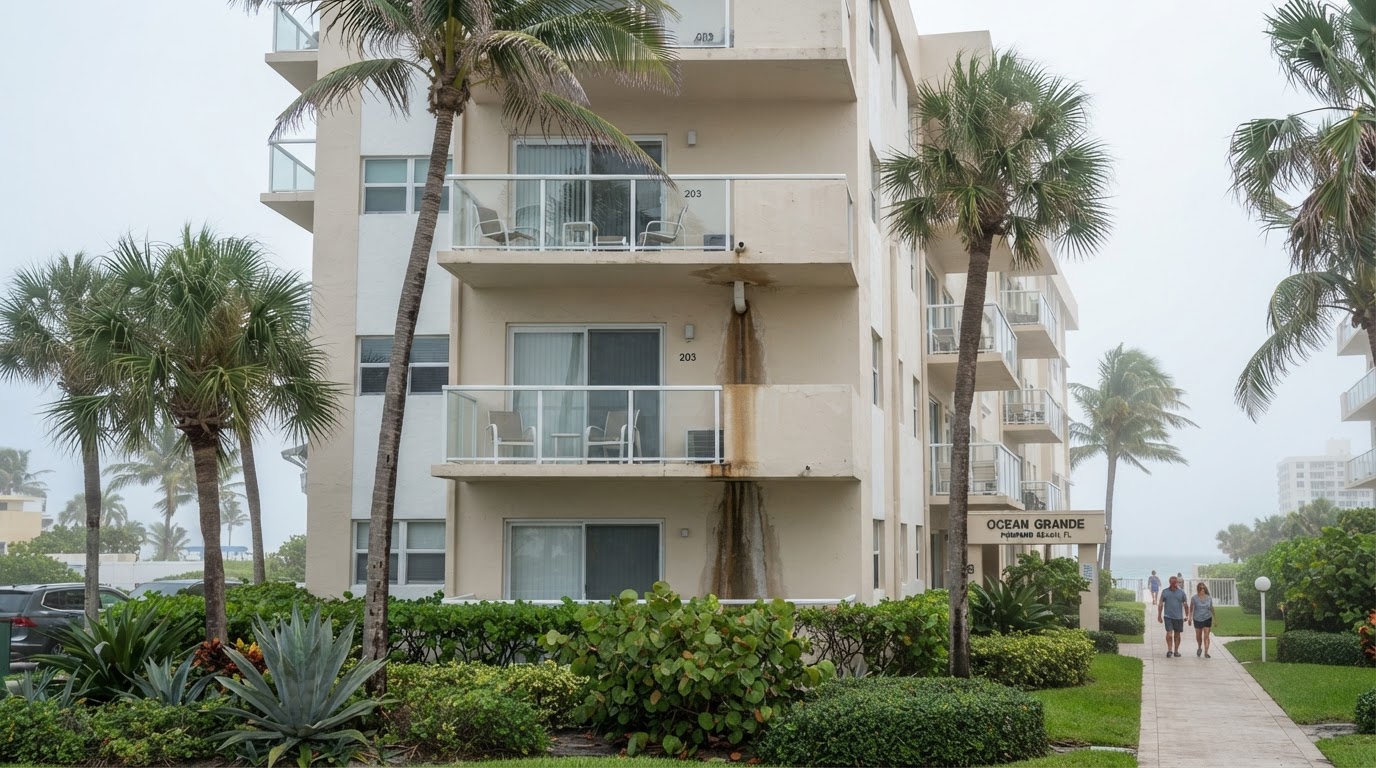
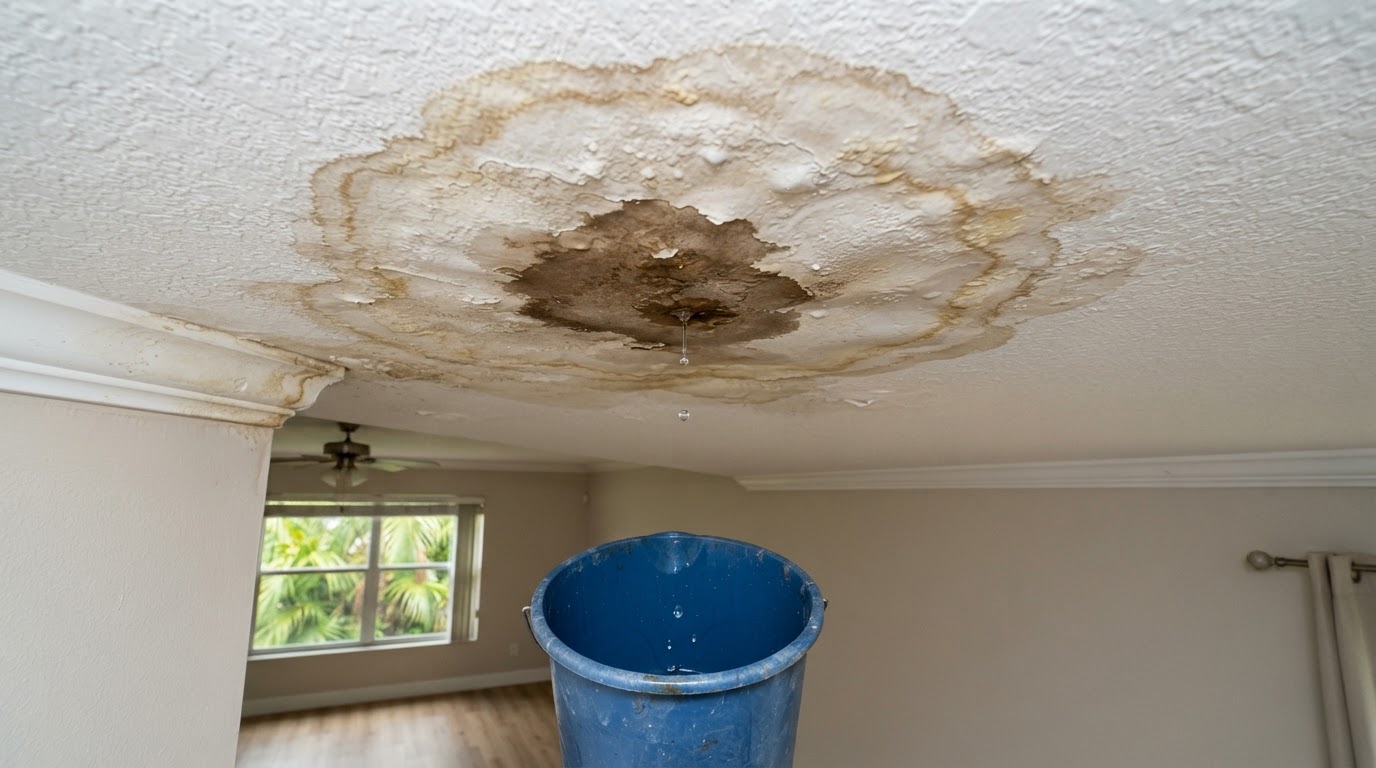
Scheduled article — publishes on July 11, 2027. Not yet visible on the public blog feed.
Documenting Mold for an Insurance Claim in Fort Lauderdale
Insurance claims for mold in Fort Lauderdale live or die on documentation. Here is what an adjuster needs and how testing provides it.
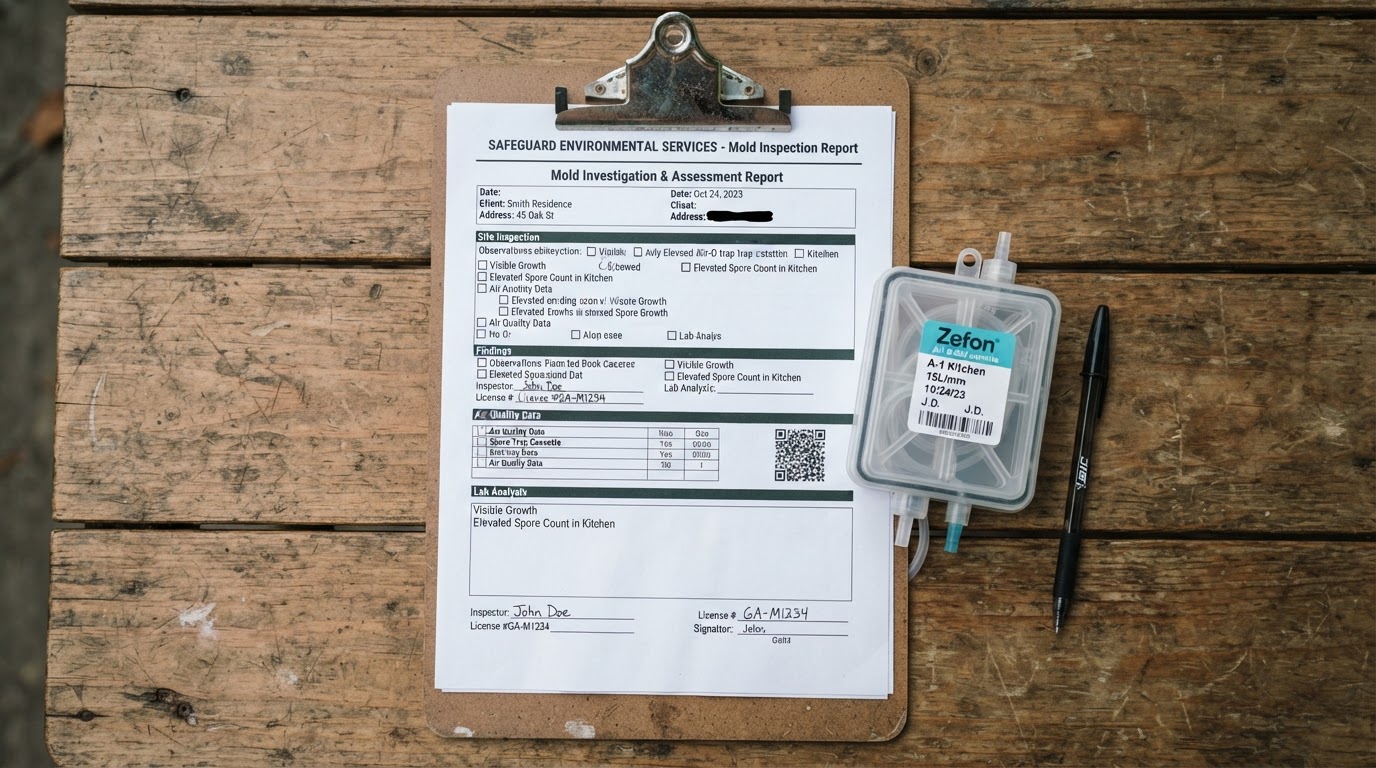
Most mold insurance claims in Fort Lauderdale are denied not because the damage is not real, but because the documentation does not connect the mold to a covered cause. This article explains what an adjuster actually needs and how professional testing provides it.
What an adjuster needs to see
- The covered cause: a burst pipe, a storm, a water heater failure — the sudden event the policy covers.
- Evidence the mold followed that event: moisture readings, photos, and lab results tied to the same location and timeframe.
- A written assessment from a licensed professional, not just photos from a phone.
- A remediation scope based on the findings, with costs.
The common denial reasons
- Long-term leakage: most policies exclude mold from gradual, maintenance-related leaks.
- No covered water event: mold from humidity alone is rarely covered.
- Delayed reporting: policies require prompt notice after discovery.
- Remediation started before documentation, destroying the evidence.
How testing builds the claim
A professional assessment maps moisture, identifies the water path, confirms mold species and extent through lab analysis, and produces a written report with photos. That package connects the mold to a specific event at a specific location — which is what turns a denial into a payment.
Practical steps
- Report the claim promptly after discovery.
- Get a professional assessment before any cleanup.
- Keep every document, photo, and receipt.
- Ask the assessor for a report written for claim submission.
Insurance claims are won on paper. The assessment that connects mold to a covered water event is the paper.
Frequently asked questions
Does homeowners insurance cover mold testing in Florida?+
Usually only when the mold follows a covered water event, like a burst pipe. Testing tied to a sudden, documented event is far more likely to be covered than testing for humidity-driven mold.
Why was my mold claim denied?+
The most common reasons: the source was a gradual leak (excluded), there was no covered water event, notice was delayed, or remediation destroyed the evidence before documentation.
Should I clean up before the adjuster visits?+
No. Document first — a professional assessment before cleanup preserves the evidence the claim depends on.
What makes a testing report useful for a claim?+
Moisture mapping, the identified water path, lab-confirmed mold species and extent, photos, and a written remediation scope — all tied to the covered event.
Related resources
If you are filing a mold claim on a Fort Lauderdale property, connect with our recommended local mold testing provider for an assessment documented for claim submission.
Need professional mold testing in South Florida?
Connect with our recommended local mold testing provider, MoldXperts, for an independent assessment.
Looking for professional mold testing in Fort Lauderdale? Connect with our recommended local mold testing provider. We may receive compensation when you contact our featured provider.
About this article
This article is published by Best Mold Testing Fort Lauderdale as an independent educational resource. It is reviewed for accuracy and reflects publicly available guidance from agencies including the EPA, CDC, and Florida DBPR. It is not a substitute for professional advice specific to your property.
Get mold prevention tips in your inbox
The South Florida Mold & Healthy Home Newsletter — practical, no spam.