Scheduled article — publishes on April 24, 2027. Not yet visible on the public blog feed.
Mold Testing and Hurricane Season in Fort Lauderdale: A Pre-Season Checklist
Hurricane season is mold season in Fort Lauderdale. Here is a pre-season checklist to reduce your risk — and what to do after any storm.
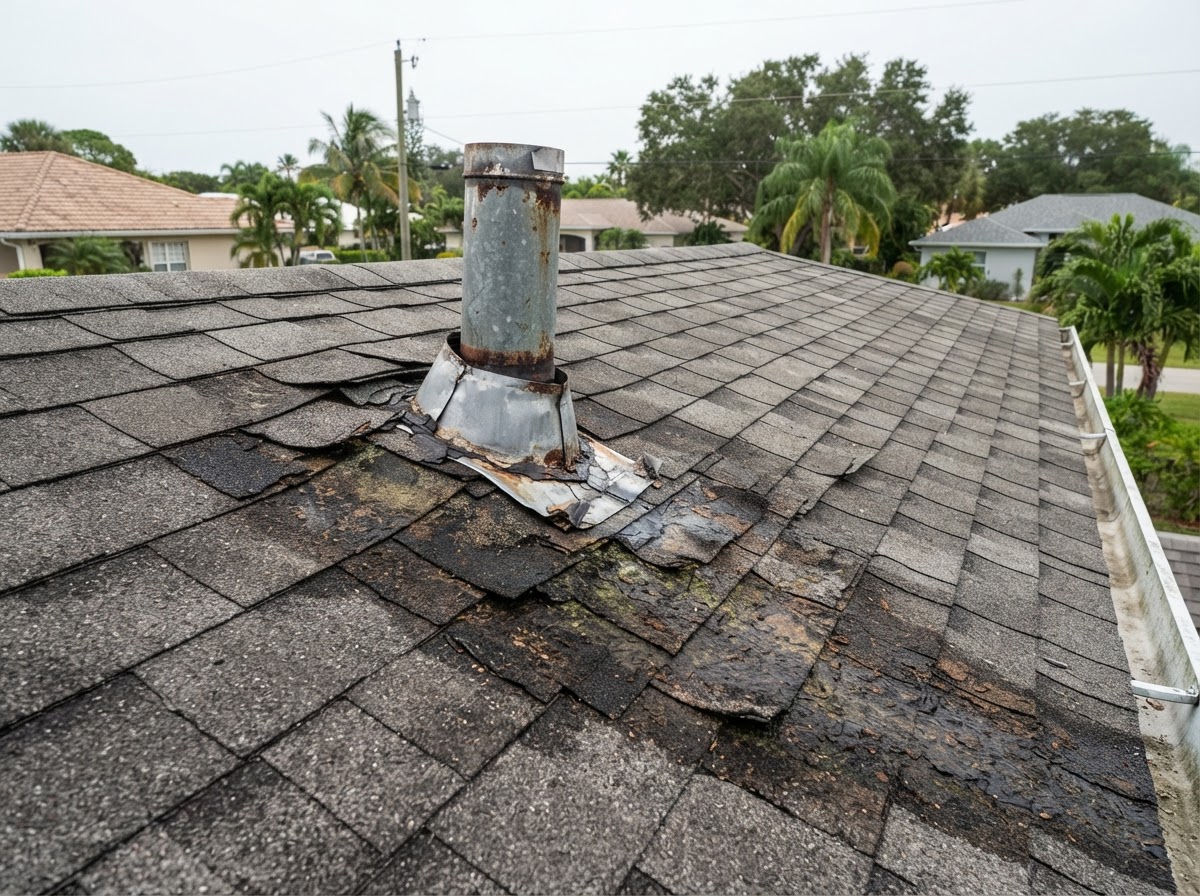
In Fort Lauderdale, hurricane season and mold season are the same season. Every tropical system tests roofs, windows, and drainage — and the moisture that gets in feeds mold for weeks afterward. This article provides a pre-season checklist to reduce your risk and a post-storm protocol for catching problems early.
Pre-season checklist (before June 1)
- Have the roof inspected — flashing, valleys, vents, and seals.
- Clean gutters and confirm downspouts move water away from the foundation.
- Service the AC, including the condensate line, pan, and coil.
- Check window and door seals and re-caulk where needed.
- Confirm the attic has no existing stains or dampness.
- Take dated photos of ceilings, walls, and the attic for comparison after storms.
During the season: after every named storm
Even a glancing blow can push water through a failed seal. Within the first week after any storm, walk the home and check the attic, ceilings, window corners, and slab edges. Dry anything wet within 48 hours — that window is the single most effective prevention step.
Post-storm warning signs
- New water stains on ceilings or walls.
- A musty smell that was not there before the storm.
- Damp attic insulation or sheathing.
- Water at the slab edge or in the garage.
- Condensation on windows that recurs after the storm.
The mold risk from a hurricane does not end when the rain stops. Moisture that got in keeps feeding growth for weeks — which is why the post-storm check matters as much as the pre-season prep.
When to test after a storm
- Any new water stain or musty odor after a storm.
- Any flooding or water intrusion, even minor.
- If the power was out long enough for humidity to spike.
- Before filing or closing an insurance claim, to document conditions.
Frequently asked questions
Why is hurricane season also mold season?+
Every tropical system tests the building envelope, and moisture that gets in feeds mold for weeks afterward. The rainy season also keeps humidity high, so the AC works harder and condensate failures increase.
How quickly should I dry things after a storm?+
Within 48 hours. Under South Florida conditions, visible mold growth can begin within 24 to 48 hours of materials getting wet.
Should I test after a storm even if I see no damage?+
If the power was out for days or the storm was severe, yes. Humidity spikes and hidden intrusion can cause growth that is not yet visible.
Can testing help with an insurance claim?+
Yes. A documented assessment with photos and lab results establishes conditions and timing, which supports a claim for storm-related water damage.
Related resources
If a storm has left your Fort Lauderdale home with moisture or musty odors, connect with our recommended local mold testing provider for a documented assessment that can support insurance and remediation decisions.
Need professional mold testing in South Florida?
Connect with our recommended local mold testing provider, MoldXperts, for an independent assessment.
Looking for professional mold testing in Fort Lauderdale? Connect with our recommended local mold testing provider. We may receive compensation when you contact our featured provider.
About this article
This article is published by Best Mold Testing Fort Lauderdale as an independent educational resource. It is reviewed for accuracy and reflects publicly available guidance from agencies including the EPA, CDC, and Florida DBPR. It is not a substitute for professional advice specific to your property.
Get mold prevention tips in your inbox
The South Florida Mold & Healthy Home Newsletter — practical, no spam.


