Scheduled article — publishes on January 27, 2027. Not yet visible on the public blog feed.
Mold Testing in Delray Beach and Boynton Beach: Southern Palm Beach County Guide
Southern Palm Beach County shares South Florida's mold climate with its own housing mix. Here is what Delray Beach and Boynton Beach homeowners should know.
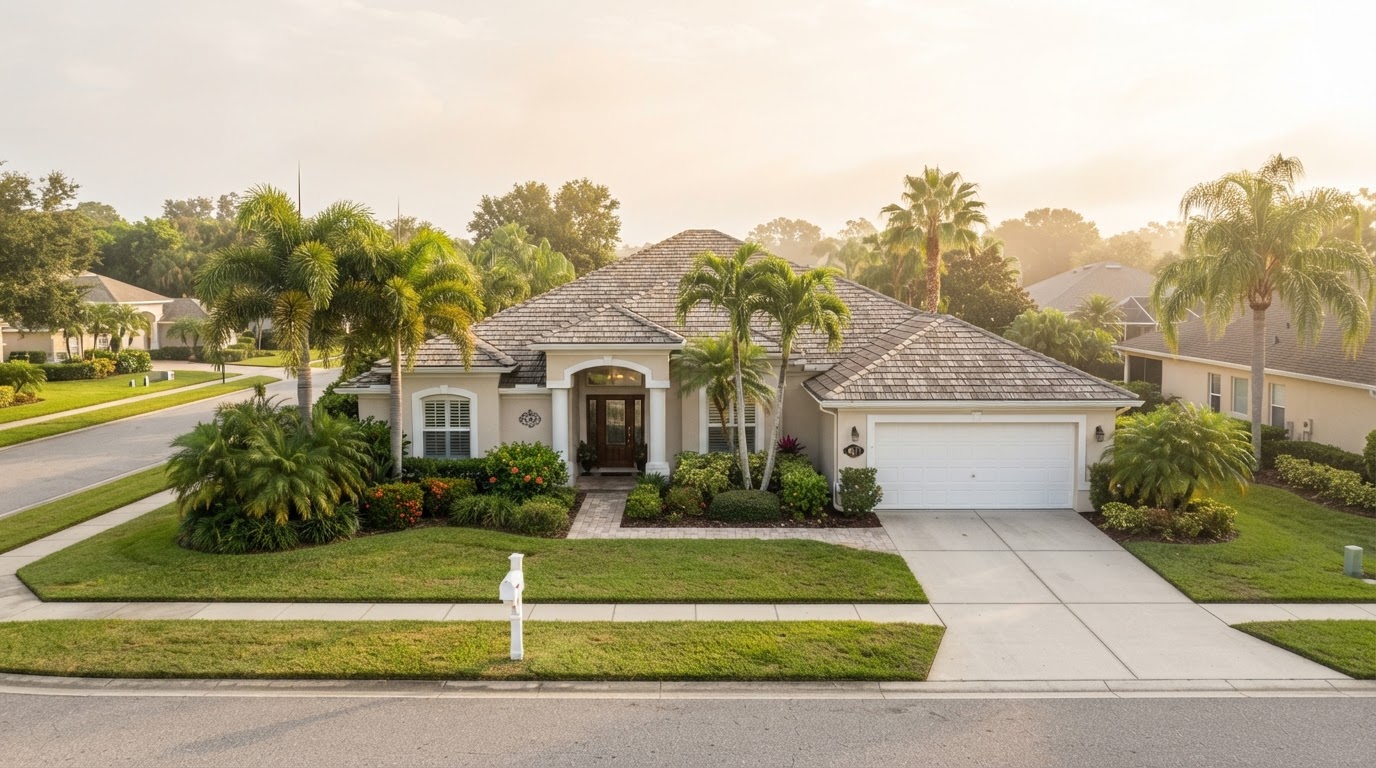
Delray Beach and Boynton Beach sit just north of Boca Raton in southern Palm Beach County. They share South Florida's mold climate — coastal humidity, a rainy season, and storm exposure — with a housing mix that includes historic downtown homes, mid-century neighborhoods, and newer coastal construction. This article explains what is specific about mold risk in these communities and when testing makes sense.
The shared climate factors
Both cities sit close to the Atlantic, so ambient humidity is high for most of the year and the rainy season pushes indoor moisture up dramatically. Salt air affects coastal AC components, and hurricane-season storms test every roof and window seal. These baseline factors apply to every home in southern Palm Beach County.
Housing mix and local risks
- Historic downtown Delray homes: older framing, pier foundations, and original materials that hold moisture.
- Mid-century neighborhoods: aging roofs, original plumbing, and end-of-life AC systems.
- Newer coastal construction: tight envelopes that trap humidity if ventilation lags.
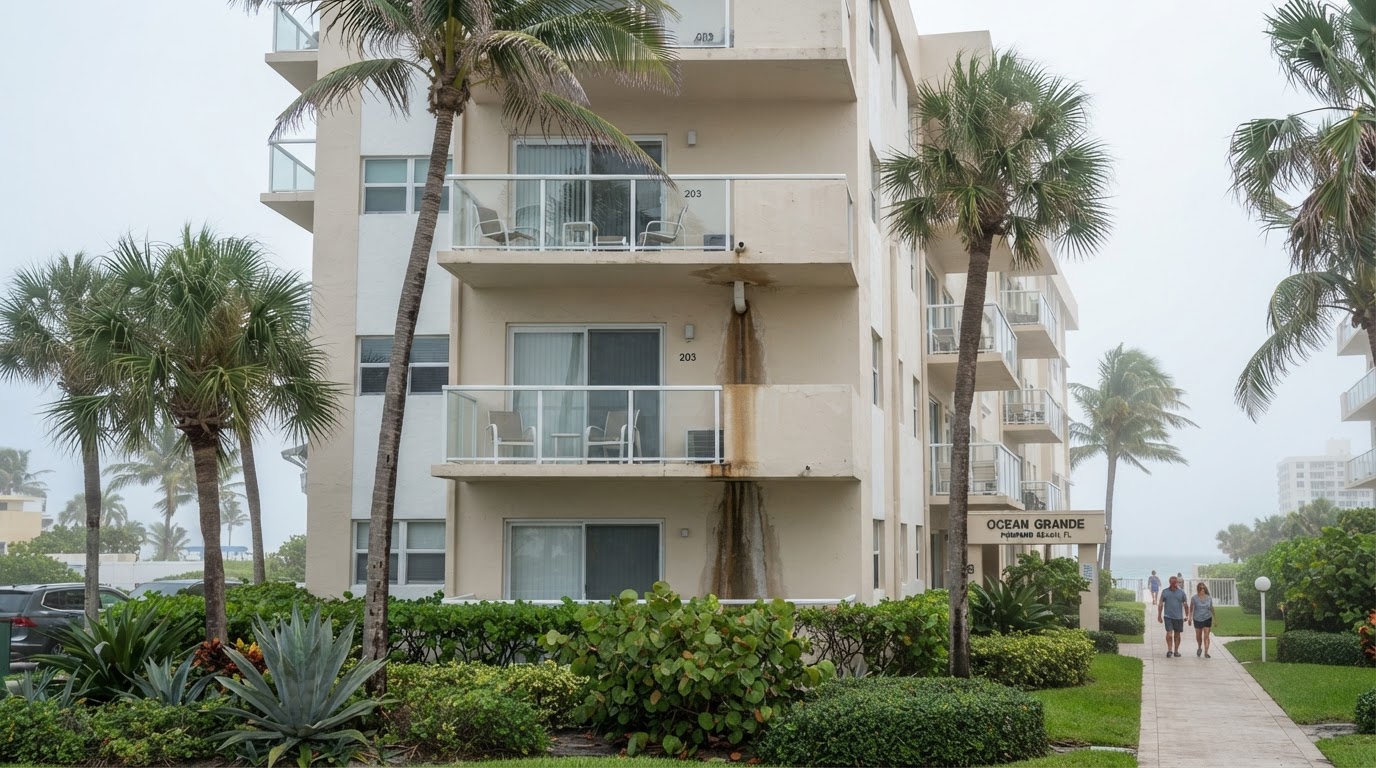
- Condos near the beach: shared systems, stacked plumbing, and seasonal vacancy.
Warning signs
- A persistent musty odor you cannot trace to a visible source.
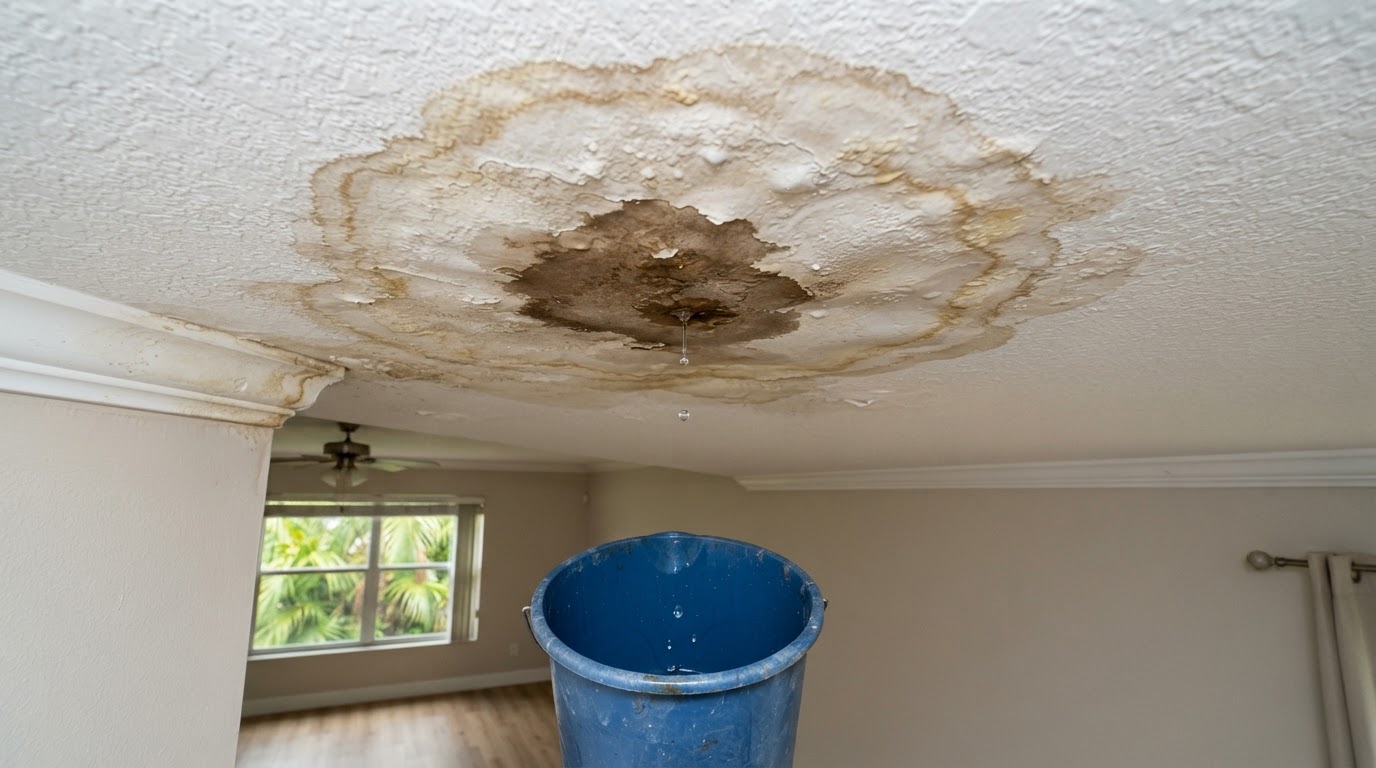
- Water stains on ceilings or walls, especially after storms.
- A musty smell when the AC turns on.
- Damp or discolored baseboards and lower walls.
- Discoloration on contents after a seasonal vacancy.
Southern Palm Beach County combines the coastal mold climate with a housing stock that spans a century. The risk factors depend on which era of home you own.
Downtown Delray Beach: historic homes and pier foundations
Downtown Delray Beach has some of the oldest residential stock in southern Palm Beach County, including homes on pier-and-beam foundations built before modern moisture codes. Pier foundations elevate the floor but also expose the crawl space to ground moisture, and older framing holds humidity differently than modern sealed construction. A historic Delray home breathes more than a new one, which can be an advantage or a problem depending on how the crawl space and ventilation are managed.
- A pier-and-beam crawl space needs ground-moisture management; an exposed, damp crawl space feeds humidity into the floor above.
- Historic framing and original materials hold moisture longer than modern materials once they get wet.
- Before buying a downtown Delray historic home, assess the crawl space as well as the living area.
Boynton Beach: mid-century neighborhoods and newer coastal construction
Boynton Beach mixes mid-century neighborhoods with original roofs, plumbing, and end-of-life AC systems alongside newer coastal construction with tighter envelopes. The mold risk in the older sections is aging infrastructure; in the newer sections it is ventilation and AC sizing. Knowing which era your Boynton Beach home belongs to tells you which risk to watch for, because the two profiles need very different prevention.
Seasonal vacancy across southern Palm Beach County
Like the rest of South Florida, southern Palm Beach County has a large seasonal population, and vacancy-driven mold is the most common pattern assessors find here each fall. The story is the same from Delray to Boynton: an owner leaves for the summer with the AC off, humidity builds for months, and mold grows on contents and drywall without any leak. Running the AC to hold humidity below 55% and having someone check for musty odors monthly prevents the pattern, and it costs a fraction of the cleanup it avoids.
- Set the AC to hold humidity below 55% before you leave for the season, not just a high temperature.
- Have a local contact check the home for musty odors each month while you are away.
- A smart hygrometer with phone alerts catches a humidity spike before it becomes a season-long cleanup.
Prevention
- Keep indoor humidity below 50% and monitor with a hygrometer.
- Inspect the AC drain line and pan before and during the rainy season.
- Check attics and around windows after any major storm.
- If you leave seasonally, keep the AC running and humidity below 55%.
- Have older roofs and plumbing inspected proactively.
When to test
- After any leak, flood, or storm-related water intrusion.
- When a musty odor or water stain appears.
- Before buying a historic or mid-century home in either city.
- Before reopening a seasonally vacant home or condo.
Frequently asked questions
Is mold risk different in Palm Beach County than Broward?+
The climate factors are the same — coastal humidity, a rainy season, and storm exposure. The housing mix differs somewhat, with more historic and mid-century stock in downtown Delray Beach.
Are historic homes in downtown Delray Beach more prone to mold?+
Often, yes. Older framing, pier foundations, and original materials hold moisture, and pre-modern-code construction lacks modern moisture management.
Do I need a Palm Beach County assessor or will Broward companies serve here?+
Most South Florida mold assessors serve both counties. Confirm licensing and service area when you request a quote.
When should I test a seasonally vacant home in Boynton Beach?+
Before you start cleaning if any musty odor or discoloration is present. Vacancy-driven humidity can affect an entire home, and testing confirms the extent first.
Related resources
If you own or are buying a home in Delray Beach or Boynton Beach, connect with our recommended local mold testing provider serving southern Palm Beach County.
Need professional mold testing in South Florida?
Connect with our recommended local mold testing provider, MoldXperts, for an independent assessment.
Looking for professional mold testing in Fort Lauderdale? Connect with our recommended local mold testing provider. We may receive compensation when you contact our featured provider.
About this article
This article is published by Best Mold Testing Fort Lauderdale as an independent educational resource. It is reviewed for accuracy and reflects publicly available guidance from agencies including the EPA, CDC, and Florida DBPR. It is not a substitute for professional advice specific to your property.
Get mold prevention tips in your inbox
The South Florida Mold & Healthy Home Newsletter — practical, no spam.