Scheduled article — publishes on March 16, 2027. Not yet visible on the public blog feed.
Mold Testing in Deerfield Beach: Coastal Homes and the Intracoastal Corridor
Deerfield Beach spans the ocean to the western suburbs, with salt air east and storm drainage west. Here is what local homeowners should know.
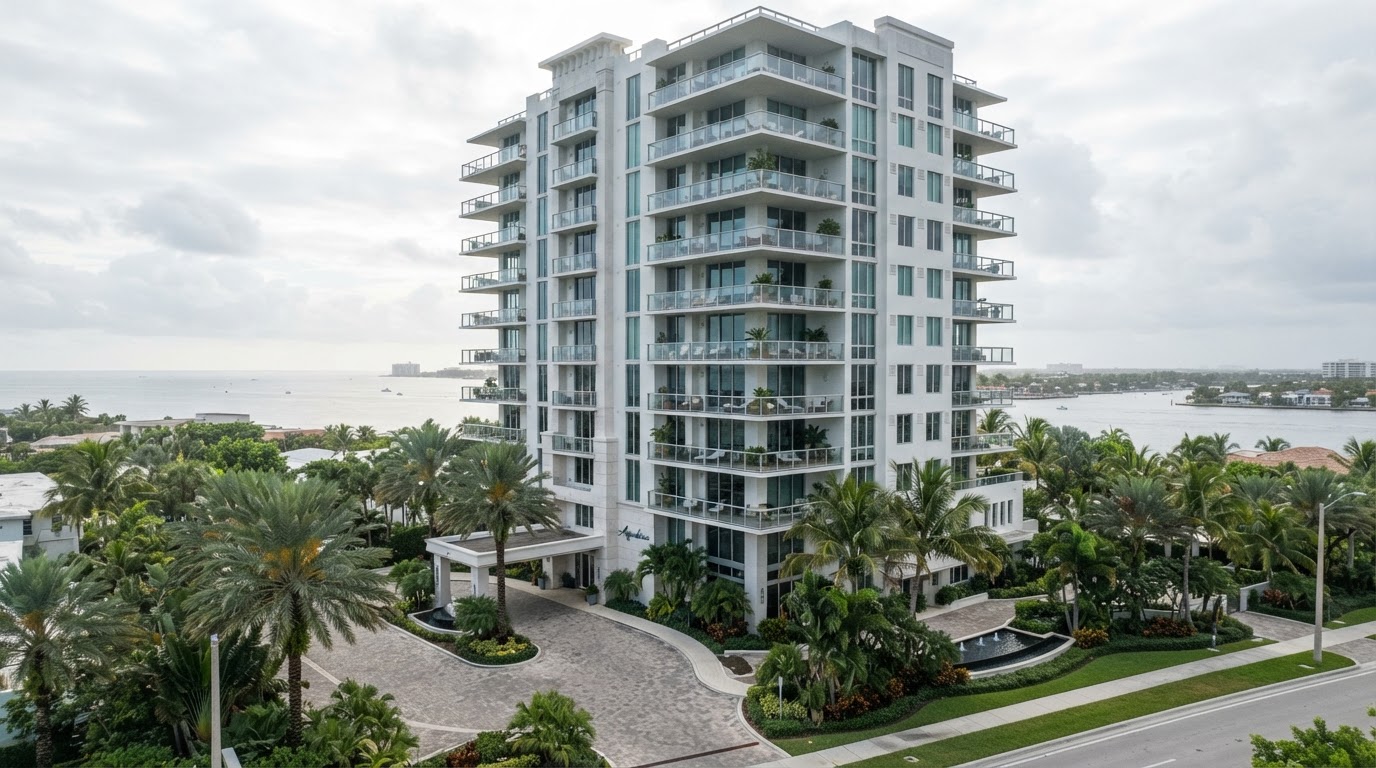
Deerfield Beach stretches from the Atlantic and Intracoastal corridor to western suburban neighborhoods, giving it two distinct mold risk profiles in one city. Beachside properties face salt air and coastal humidity; western areas face intense afternoon storms and drainage challenges. This article explains what is specific about mold risk in Deerfield Beach and when testing makes sense.
Beachside: salt air and AC corrosion
Homes and condos east of the Intracoastal are exposed to salt-laden air that corrodes AC coils, condensate pans, and metal components faster than inland. Corroded pans crack and lines clog, making condensate failures the most common indoor moisture source in beachside properties.
Intracoastal condos and shared systems
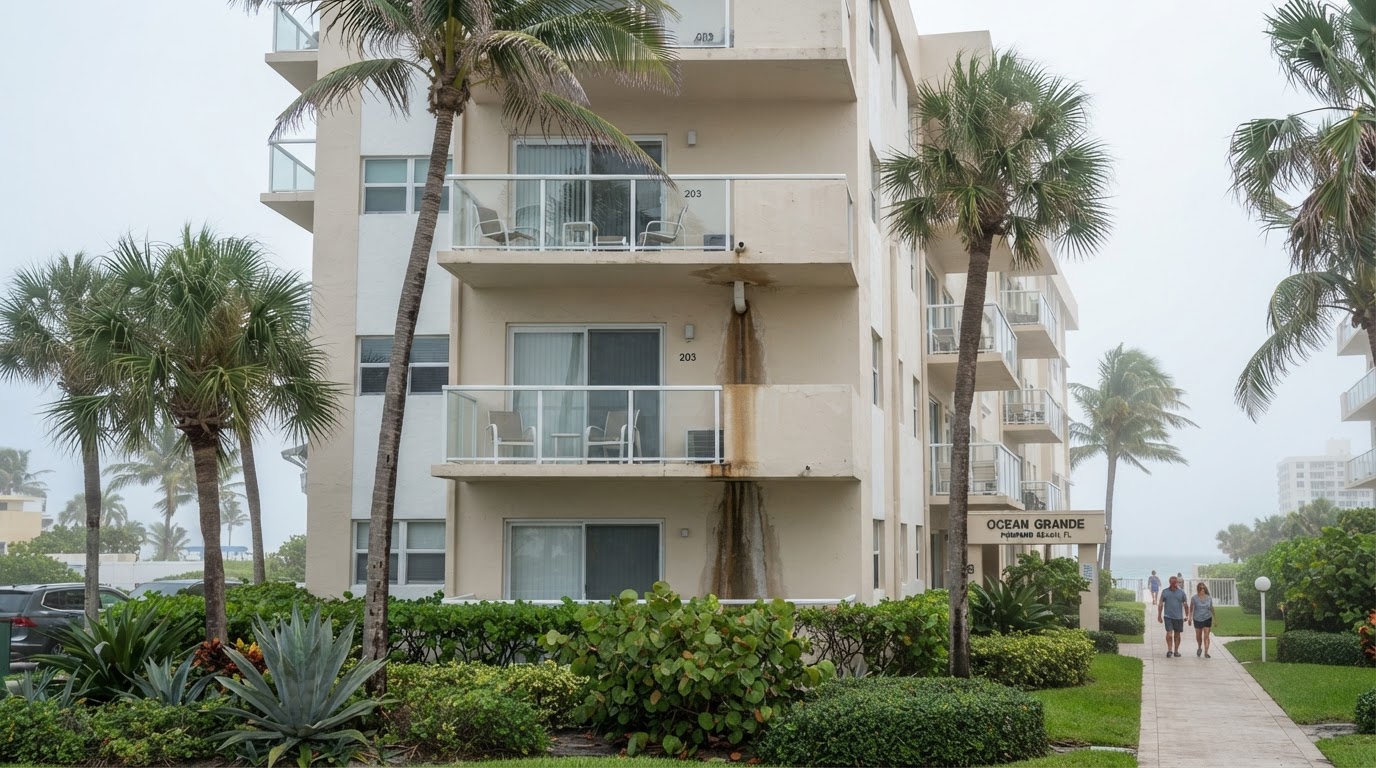
The Intracoastal corridor's condo towers share the stacked-plumbing and shared-HVAC risks of any vertical construction. A leak in a unit above can travel down through shared wall cavities, and building-wide HVAC can distribute mold from a single source to multiple units.
Western: storm intensity and drainage
Western Deerfield Beach gets intense afternoon thunderstorms that test roof flashing, window seals, and gutters. The canal network manages stormwater but keeps water tables high, and homes in lower-lying areas face seepage toward foundations in heavy rain.
Warning signs for Deerfield Beach homeowners
- A musty smell when the AC turns on.
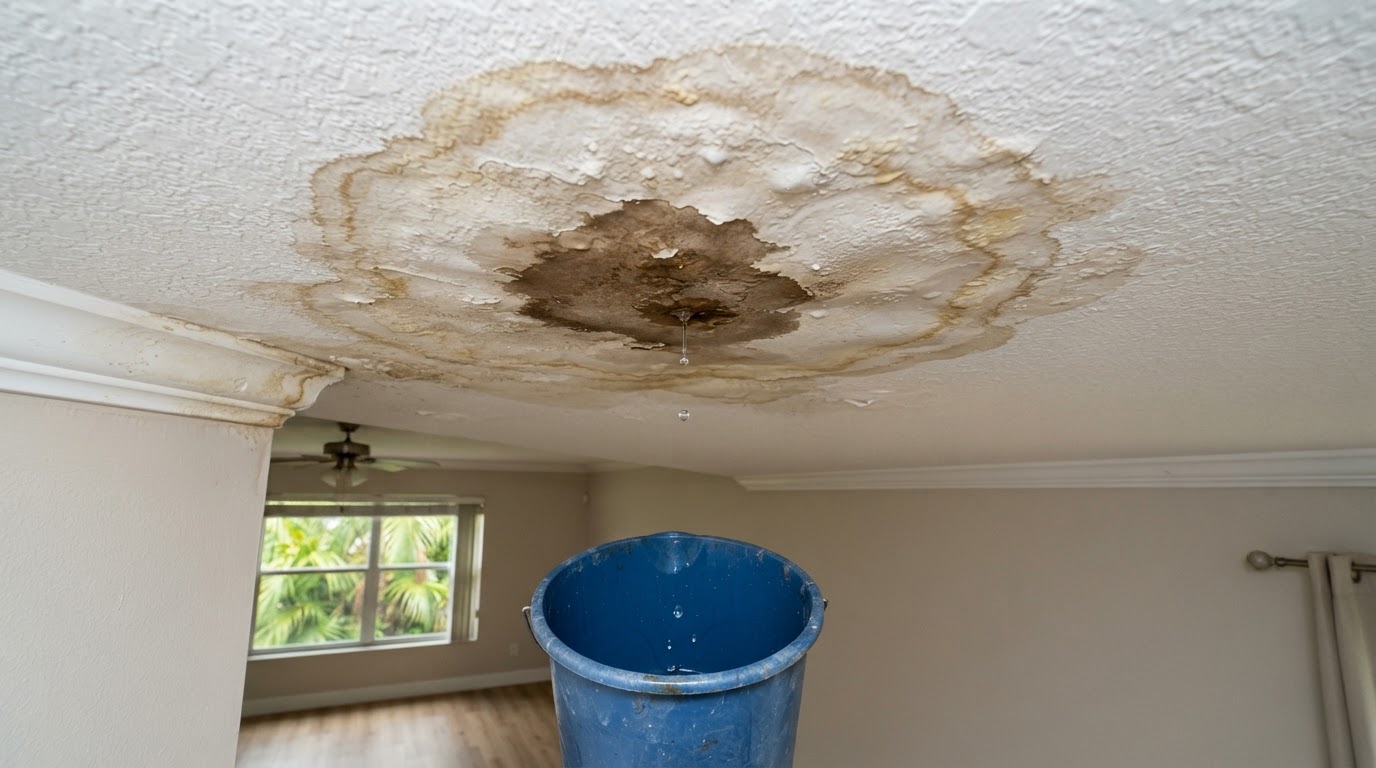
- Water stains on ceilings after storms.
- Damp or discolored baseboards and lower walls, especially west.
- Visible corrosion on AC components, especially beachside.
- Water stains on the ceiling below the unit above in condos.
Deerfield Beach has two mold climates in one city. East of the Intracoastal, salt air corrodes the AC; west of it, storms and drainage test the envelope. Know which profile your home faces.
The fishing pier, the wind, and the beachside facade
The Deerfield Beach fishing pier marks the heart of the beachside community, and the homes and condos nearest it take the full force of onshore winds off the Atlantic. During storms and breezy afternoons alike, that wind drives humid, salt-laden air against the east-facing facades — the wall that faces the ocean. Window seals, sliding-door tracks, and balcony joints on the east face are the most common entry points for wind-driven moisture, and the salt in the air corrodes the metal components of those seals faster than any inland wall. The east-facing wall is the one to inspect first for seal failure and moisture intrusion in any beachside Deerfield Beach property, and it is the wall that needs resealing most often. If your home is east of the Intracoastal, plan to service the AC more frequently and to reseal east-facing windows and doors on a shorter cycle than any other wall.
- East-facing facades near the pier take the full onshore wind and salt — inspect their seals first.
- Window and door seals on the east face corrode faster than on any other wall.
- Beachside AC may need condensate checks every six months or more often this close to the ocean.
- After any storm with onshore wind, check east-facing walls for dampness that does not dry within a day.
Western canals, the Hillsboro Canal, and slab seepage
Western Deerfield Beach is threaded with canals, including the Hillsboro Canal along the city's northern edge, and the homes along those waterways sit with the water table close to the slab for much of the year. During the rainy season the canals rise with storm runoff and the soil against the foundations stays saturated between storms. That water does not need a roof leak to reach the interior — it seeps through the slab and wicks up into the bottom plates and lower drywall. The telltale pattern in western Deerfield Beach is baseboard and lower-wall discoloration that appears when the rains start and recurs every year in the same location. If your home backs onto a canal or sits near the Hillsboro and the lower walls dampen every summer, the source may be the water table, not a leak — and the fix is drainage, grading, and dehumidification, not roof repair. Testing can confirm the difference before you spend on the wrong fix.
Prevention for Deerfield Beach homeowners
- Beachside: service AC condensate systems every six months.
- West: check roof flashing, window seals, and gutters before storm season.
- Keep indoor humidity below 50% and monitor with a hygrometer.
- In condos, report ceiling stains to the association promptly.
- Keep the condensate line clear and filters changed.
When to test
- After a condensate overflow or any leak.
- After storm-related water intrusion.
- When a musty odor persists after AC service.
- Before buying a Deerfield Beach home or condo.
Frequently asked questions
Is mold risk different beachside vs. west in Deerfield Beach?+
Yes. Beachside properties face salt-air AC corrosion and coastal humidity; western properties face intense storms and drainage-related moisture. Both climates keep humidity high.
How often should a beachside AC be serviced?+
Every six months is reasonable near the ocean, versus annually inland. The condensate pan, line, and coil should be checked at every service.
Can mold spread through an Intracoastal condo building's shared HVAC?+
Yes. Mold on rooftop coils or in shared ductwork can be distributed through the airstream to multiple units. Air sampling can compare levels across the system.
Should I test a Deerfield Beach home before buying it?+
Yes. The two distinct risk profiles — salt air and storm drainage — are worth checking. A pre-purchase inspection can confirm moisture is managed before you close.
Related resources
If you own or are buying a home or condo in Deerfield Beach, connect with our recommended local mold testing provider for an assessment matched to your property's coastal or inland risk profile.
Need professional mold testing in South Florida?
Connect with our recommended local mold testing provider, MoldXperts, for an independent assessment.
Looking for professional mold testing in Fort Lauderdale? Connect with our recommended local mold testing provider. We may receive compensation when you contact our featured provider.
About this article
This article is published by Best Mold Testing Fort Lauderdale as an independent educational resource. It is reviewed for accuracy and reflects publicly available guidance from agencies including the EPA, CDC, and Florida DBPR. It is not a substitute for professional advice specific to your property.
Get mold prevention tips in your inbox
The South Florida Mold & Healthy Home Newsletter — practical, no spam.