Scheduled article — publishes on May 30, 2027. Not yet visible on the public blog feed.
Pool Homes in Coral Springs: The Humidity Trade-Off Nobody Mentions
A pool raises humidity in and around a Coral Springs home. Here is how that affects mold risk — and what pool homeowners should do.
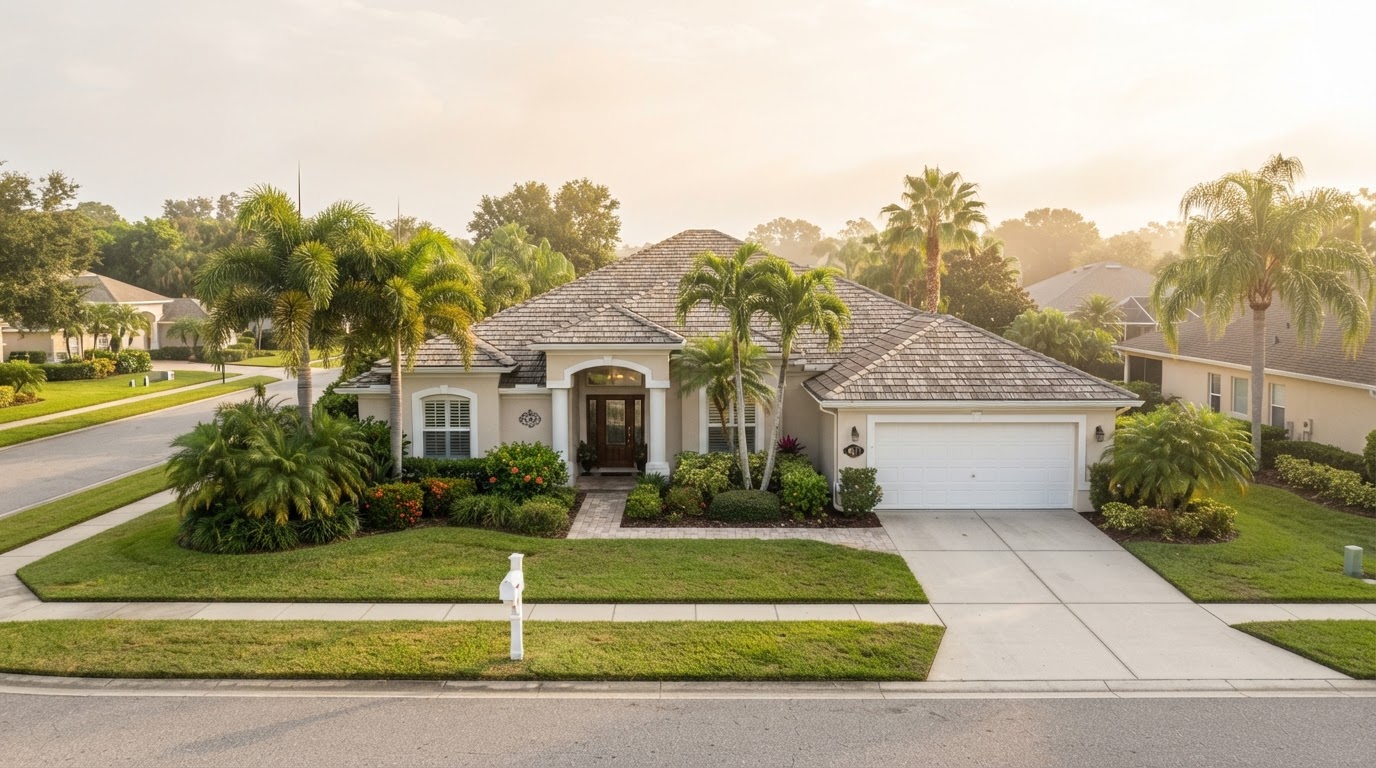
A pool is one of the best features a Coral Springs home can have — and one of the most overlooked mold risk factors. Evaporation from the pool raises humidity in and around the home, and screened patios trap that humid air against exterior walls. This article explains the trade-off and what pool homeowners should do.
How a pool raises humidity
An uncovered pool evaporates constantly, and that water vapor raises humidity in the immediate area. A screened patio traps the humid air against the home's exterior walls, where it sits rather than dispersing. Sliding doors and patio-adjacent walls bear the brunt — and that moisture finds its way inside through daily door traffic and wall absorption.
The sliding door problem
Sliding doors between the home and a screened patio are condensation magnets: humid patio air meets the cool interior surface, and condensation forms on and around the door frame. Persistent condensation there keeps the surrounding drywall and flooring damp — a common hidden mold location in pool homes.
What pool homeowners should do
- Monitor indoor humidity with a hygrometer and keep it below 50%.
- Check sliding door frames and patio-adjacent walls for condensation and discoloration.
- Use exhaust fans during and after cooking and showers.
- Consider a pool cover to reduce evaporation when the pool is not in use.
- Keep the AC condensate system maintained — it is working harder in a pool home.
When to test
- When discoloration appears on patio-adjacent walls or sliding door frames.
- When indoor humidity stays high despite the AC running.
- After any leak or water intrusion.
- Before buying a pool home.
A pool home's humidity is not just outdoors. Evaporation and screened-patio airflow raise moisture against exterior walls — and that moisture finds its way inside.
Frequently asked questions
Does having a pool increase indoor mold risk?+
It can. Pool evaporation raises humidity in the immediate area, and screened patios trap that humid air against exterior walls. Patio-adjacent walls and sliding doors are common condensation and mold points.
Why are sliding doors a problem in pool homes?+
Humid patio air meets the cool interior surface, and condensation forms on and around the frame. Persistent condensation keeps surrounding drywall and flooring damp — a common hidden mold location.
Does a pool cover help?+
Yes. A cover reduces evaporation dramatically when the pool is not in use, lowering the humidity load around the home.
Should I test a pool home before buying it?+
Yes. Pool-adjacent moisture and AC load are worth checking. A pre-purchase inspection can confirm humidity and moisture are managed before you close.
Related resources
If your Coral Springs pool home shows condensation or discoloration near the patio, connect with our recommended local mold testing provider for an assessment that includes patio-adjacent moisture.
Need professional mold testing in South Florida?
Connect with our recommended local mold testing provider, MoldXperts, for an independent assessment.
Looking for professional mold testing in Fort Lauderdale? Connect with our recommended local mold testing provider. We may receive compensation when you contact our featured provider.
About this article
This article is published by Best Mold Testing Fort Lauderdale as an independent educational resource. It is reviewed for accuracy and reflects publicly available guidance from agencies including the EPA, CDC, and Florida DBPR. It is not a substitute for professional advice specific to your property.
Get mold prevention tips in your inbox
The South Florida Mold & Healthy Home Newsletter — practical, no spam.