Scheduled article — publishes on February 8, 2027. Not yet visible on the public blog feed.
Mold Testing in Coral Springs: Family Homes, Pool Patios, and Summer Humidity
Coral Springs' family neighborhoods face mold from pool-adjacent humidity and summer AC load. Here is what local homeowners should watch for.
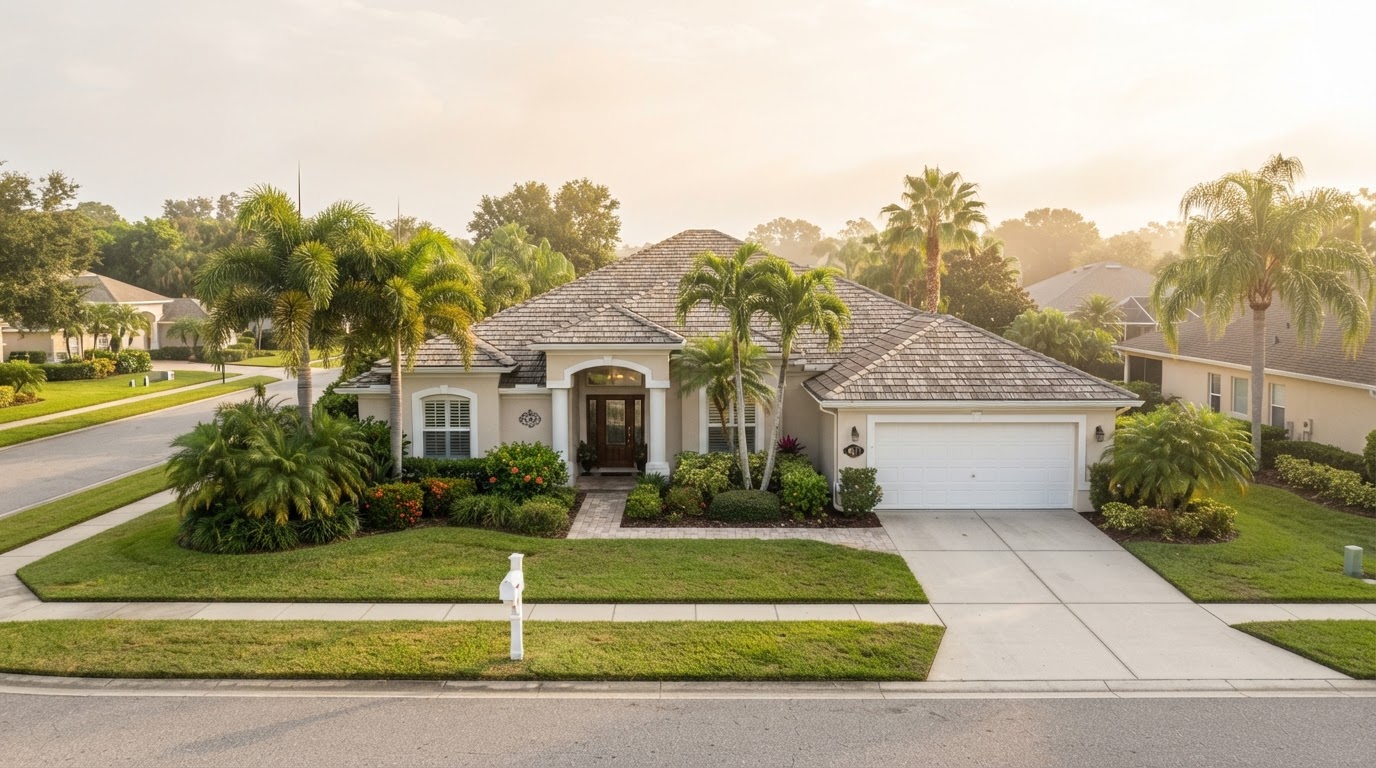
Coral Springs is one of Broward's largest family-oriented cities, with planned neighborhoods of single-family homes — many with pools and screened patios. Its mold risk profile centers on indoor humidity from daily family life, pool-adjacent moisture, and summer AC load. This article explains what is specific about mold risk in Coral Springs and when testing makes sense.
Indoor humidity from family life
A busy household generates moisture constantly — showers, cooking, laundry, and simply more people breathing in a sealed home. In South Florida's climate, the AC has to remove all of it. When the AC is undersized, aging, or short-cycling, indoor humidity climbs above the mold threshold even with no leak.
Pool and patio moisture
Homes with pools and screened patios have a unique moisture dynamic: evaporation from the pool raises humidity in the immediate area, and screened patios let humid air sit against the home's exterior walls. Sliding doors and patio-adjacent walls can show condensation and mold growth that interior-only maintenance misses.
Summer AC load
During the rainy season, Coral Springs homes run AC nearly continuously. Condensate systems work overtime, and failures — clogged lines, cracked pans — are the most common indoor moisture source. A condensate overflow in an air handler closet can soak drywall for weeks before anyone notices.
Warning signs for Coral Springs homeowners
- Indoor humidity reads above 55–60% on a hygrometer.
- The home feels cool but clammy or damp.
- Condensation on windows, mirrors, or AC vents that recurs.
- A musty smell when the AC turns on.
- Discoloration or mold growth on patio-adjacent walls or sliding doors.
A pool home's humidity is not just outdoors. Evaporation and screened-patio airflow raise moisture against exterior walls — and that moisture finds its way inside.
The screened enclosure and the wall behind it
Most Coral Springs pool homes have a screened enclosure over the pool and patio. The screen keeps insects out, but it also slows the airflow that would otherwise dry the exterior wall of the home that faces the pool. After rain or evening condensation, that wall stays damp longer than an unenclosed wall, and the sliding glass door frame — which often sits in the screen's shadow — collects condensation that supports mold on the track and the drywall beside it. The enclosure is a comfort feature, but it changes how the home's exterior dries, and the wall behind it is the first place to check for exterior mold staining.
- After rain, check the sliding door track and the drywall beside it for condensation and dark growth.
- The exterior wall facing the screened enclosure dries slowest — inspect it each season.
- A small fan that moves air across the patio-adjacent wall helps it dry between storms.
Short-cycling and the clammy home
A common complaint in Coral Springs family homes is a house that feels cool but clammy — the thermostat reads 74°, yet the air feels damp. The cause is usually an oversized or short-cycling AC that cools the air quickly and shuts off before it has run long enough to remove moisture. The result is low temperature but high humidity, which is exactly the condition mold needs. The fix is not a colder setting — it is longer run times, which may mean a variable-speed system, a dehumidifier, or simply setting the fan to auto so the system completes its dehumidification cycle. If your home feels clammy despite the AC running, a humidity assessment can confirm whether the problem is the system's sizing and cycling rather than a leak.
Prevention for Coral Springs homeowners
- Keep indoor humidity below 50% and monitor with a hygrometer.
- Run bathroom and kitchen exhaust fans during and 20 minutes after use.
- Keep the condensate line clear and filters changed, especially in summer.
- Check patio-adjacent walls and sliding doors for condensation and discoloration.
- Have the AC serviced before the rainy season.
When to test
- When humidity stays high despite the AC running.
- After a condensate overflow or any leak.
- When discoloration appears on patio-adjacent walls.
- Before buying a Coral Springs home, especially one with a pool.
Frequently asked questions
Does having a pool increase indoor mold risk?+
It can. Pool evaporation raises humidity in the immediate area, and screened patios let humid air sit against exterior walls. Patio-adjacent walls and sliding doors are common condensation and mold points.
Why does my home feel humid even with the AC running?+
The AC may be undersized, aging, or short-cycling — cooling quickly without running long enough to remove moisture. A right-sized unit or a dehumidifier fixes it.
What humidity level should a busy family home target?+
The EPA recommends 30–50%. In a busy South Florida household, staying below 55% usually requires the AC plus, during the rainy season, a dedicated dehumidifier.
Should I test a pool home before buying it?+
Yes. Pool-adjacent moisture and AC load are worth checking. A pre-purchase inspection can confirm humidity and moisture are managed before you close.
Related resources
If your Coral Springs home feels humid or you suspect hidden moisture, connect with our recommended local mold testing provider for an assessment that includes humidity and AC performance.
Need professional mold testing in South Florida?
Connect with our recommended local mold testing provider, MoldXperts, for an independent assessment.
Looking for professional mold testing in Fort Lauderdale? Connect with our recommended local mold testing provider. We may receive compensation when you contact our featured provider.
About this article
This article is published by Best Mold Testing Fort Lauderdale as an independent educational resource. It is reviewed for accuracy and reflects publicly available guidance from agencies including the EPA, CDC, and Florida DBPR. It is not a substitute for professional advice specific to your property.
Get mold prevention tips in your inbox
The South Florida Mold & Healthy Home Newsletter — practical, no spam.


