Scheduled article — publishes on June 26, 2027. Not yet visible on the public blog feed.
Indoor Air Quality in Coral Springs Homes: What to Measure and Why
Indoor air quality in Coral Springs homes depends on humidity, ventilation, and contaminants. Here is what to measure and what the numbers mean.
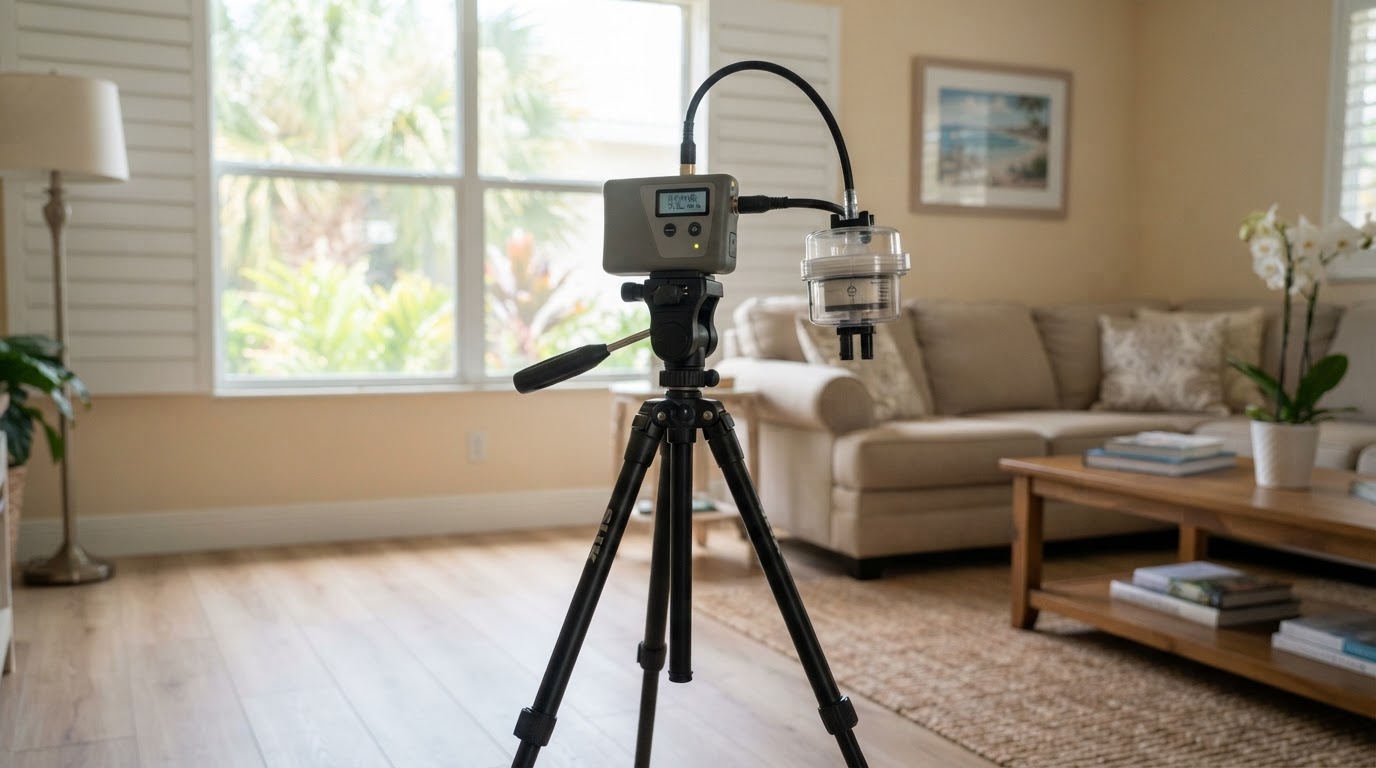
Indoor air quality in a Coral Springs home comes down to a handful of measurable factors — humidity, ventilation, and contaminants. Knowing what to measure and what the numbers mean helps you catch problems before they affect health. This article explains the key measurements.
Humidity: the number that matters most
The EPA recommends indoor relative humidity between 30% and 50%. Above 60%, mold has everything it needs to thrive. In Coral Springs' climate, staying below 55% usually requires the AC plus, during the rainy season, a dedicated dehumidifier. A $15 hygrometer is the single most useful air quality tool a homeowner can own.
Ventilation: how air moves
Stale air holds contaminants. Bathroom and kitchen exhaust fans remove moisture and odors at the source; without them, humidity and particulates accumulate. In a tightly built home, ventilation matters even more — there are fewer natural leaks to exchange air.
Particulates and contaminants
- Mold spores: everywhere outdoors; elevated or unusual species indoors indicate growth.
- Particulate matter (PM2.5): from cooking, candles, and outdoor infiltration.
- VOCs: from cleaning products, paints, and new furnishings.
- Carbon dioxide: a proxy for ventilation — high levels mean stale air.
What homeowners can measure themselves
- Humidity: an inexpensive hygrometer in each major room.
- Temperature: most hygrometers include it.
- CO2: inexpensive monitors are available and useful for ventilation.
What requires professional testing
- Mold spore identification and concentration (lab analysis).
- VOC identification (specialized equipment).
- Interpreting results against an outdoor baseline.
Humidity is the master variable in a South Florida home. Get it below 50% and most other air quality problems become manageable.
Frequently asked questions
What humidity level should I target?+
The EPA recommends 30–50%. In Coral Springs, staying below 55% usually requires the AC plus, during the rainy season, a dedicated dehumidifier.
What is the most useful air quality tool for a homeowner?+
A hygrometer. Humidity is the master variable — it drives mold risk, dust mites, and comfort. A $15 unit in each major room tells you what you need to know.
What does high CO2 mean?+
It is a proxy for ventilation — high CO2 means stale air and insufficient air exchange. More ventilation or air exchange fixes it.
When do I need professional air quality testing?+
When you need spore identification, VOC identification, or results interpreted against an outdoor baseline — things home monitors cannot provide.
Related resources
If you want to know what is in your Coral Springs home's air, connect with our recommended local mold testing provider for professional testing with lab analysis and a plain-English report.
Need professional mold testing in South Florida?
Connect with our recommended local mold testing provider, MoldXperts, for an independent assessment.
Looking for professional mold testing in Fort Lauderdale? Connect with our recommended local mold testing provider. We may receive compensation when you contact our featured provider.
About this article
This article is published by Best Mold Testing Fort Lauderdale as an independent educational resource. It is reviewed for accuracy and reflects publicly available guidance from agencies including the EPA, CDC, and Florida DBPR. It is not a substitute for professional advice specific to your property.
Get mold prevention tips in your inbox
The South Florida Mold & Healthy Home Newsletter — practical, no spam.


