Scheduled article — publishes on August 31, 2027. Not yet visible on the public blog feed.
Pool Areas and Screened Enclosures: Mold in Coral Springs Homes
Pool cages and screened enclosures in Coral Springs create humid microclimates that feed mold on adjacent walls. Here is what to know.
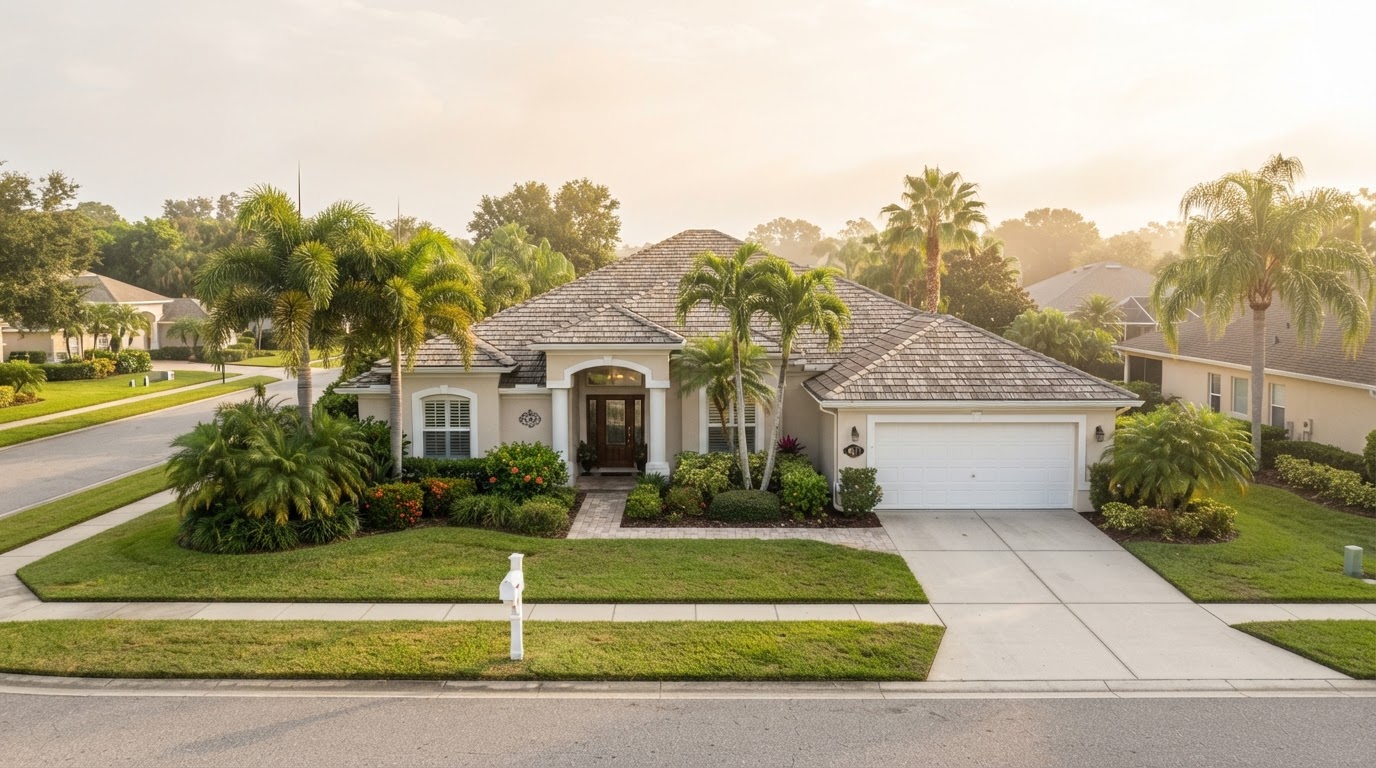
A screened pool enclosure is a South Florida signature — and a humidity machine. The evaporating pool surface, the enclosed air, and the shade create a microclimate that keeps adjacent walls, screens, and door thresholds damp. In Coral Springs homes, that microclimate is a common mold driver. This article explains the mechanics.
The enclosure microclimate
- Evaporation from the pool surface raises the enclosure's humidity well above ambient.
- Screened walls trap that humid air while blocking the breeze that would dry it.
- Shade keeps surfaces cool and slow to dry.
- The wall shared with the house absorbs the damp conditions year-round.
Where mold appears
- The exterior house wall inside the enclosure, especially shaded sections.
- Screen frames and tracks.
- Door thresholds between the enclosure and the home.
- Stored furniture and cushions in the enclosure.
- Interior rooms whose exterior wall faces the pool.
Prevention
- Keep the enclosure's screens and frames cleaned of organic film.
- Use pool covers when the pool is not in use for long periods.
- Ensure the house wall inside the enclosure can dry — trim vegetation and avoid storing items against it.
- Watch interior rooms on the pool side for musty odors and discoloration.
- Keep indoor humidity below 55% so the pool-side wall load does not push the interior over the threshold.
When to test
- Musty odor in rooms facing the pool.
- Discoloration on the enclosure-side exterior wall.
- Growth on screens, frames, or stored items.
- Recurring condensation on interior pool-side walls.
A screened enclosure trades breeze for bugs — and the lost breeze is what keeps the walls damp. The pool-side wall deserves a place on your inspection route.
Frequently asked questions
Why do pool enclosures create mold conditions?+
Evaporation raises the enclosure's humidity, screens trap the moist air, and shade keeps surfaces cool and slow to dry — a microclimate that keeps adjacent walls damp year-round.
Where does mold appear around a pool?+
The house wall inside the enclosure, screen frames and tracks, door thresholds, stored furniture, and interior rooms whose exterior wall faces the pool.
Does a pool cover help?+
Yes — covering the pool when it is not in use for long periods cuts evaporation, which is the enclosure's main humidity source.
When should I test around a pool area?+
If rooms facing the pool smell musty, the enclosure-side wall shows discoloration, or interior walls condense — testing finds whether growth has started inside.
Related resources
If your Coral Springs home's pool-side rooms smell musty or the enclosure wall shows growth, connect with our recommended local mold testing provider for an assessment that includes the shared wall.
Need professional mold testing in South Florida?
Connect with our recommended local mold testing provider, MoldXperts, for an independent assessment.
Looking for professional mold testing in Fort Lauderdale? Connect with our recommended local mold testing provider. We may receive compensation when you contact our featured provider.
About this article
This article is published by Best Mold Testing Fort Lauderdale as an independent educational resource. It is reviewed for accuracy and reflects publicly available guidance from agencies including the EPA, CDC, and Florida DBPR. It is not a substitute for professional advice specific to your property.
Get mold prevention tips in your inbox
The South Florida Mold & Healthy Home Newsletter — practical, no spam.