Scheduled article — publishes on July 26, 2027. Not yet visible on the public blog feed.
Converted Garages and Additions: Mold Risk in Coral Springs Renovations
Converted garages and additions in Coral Springs homes often lack proper moisture design. Here is why renovations create mold risk.
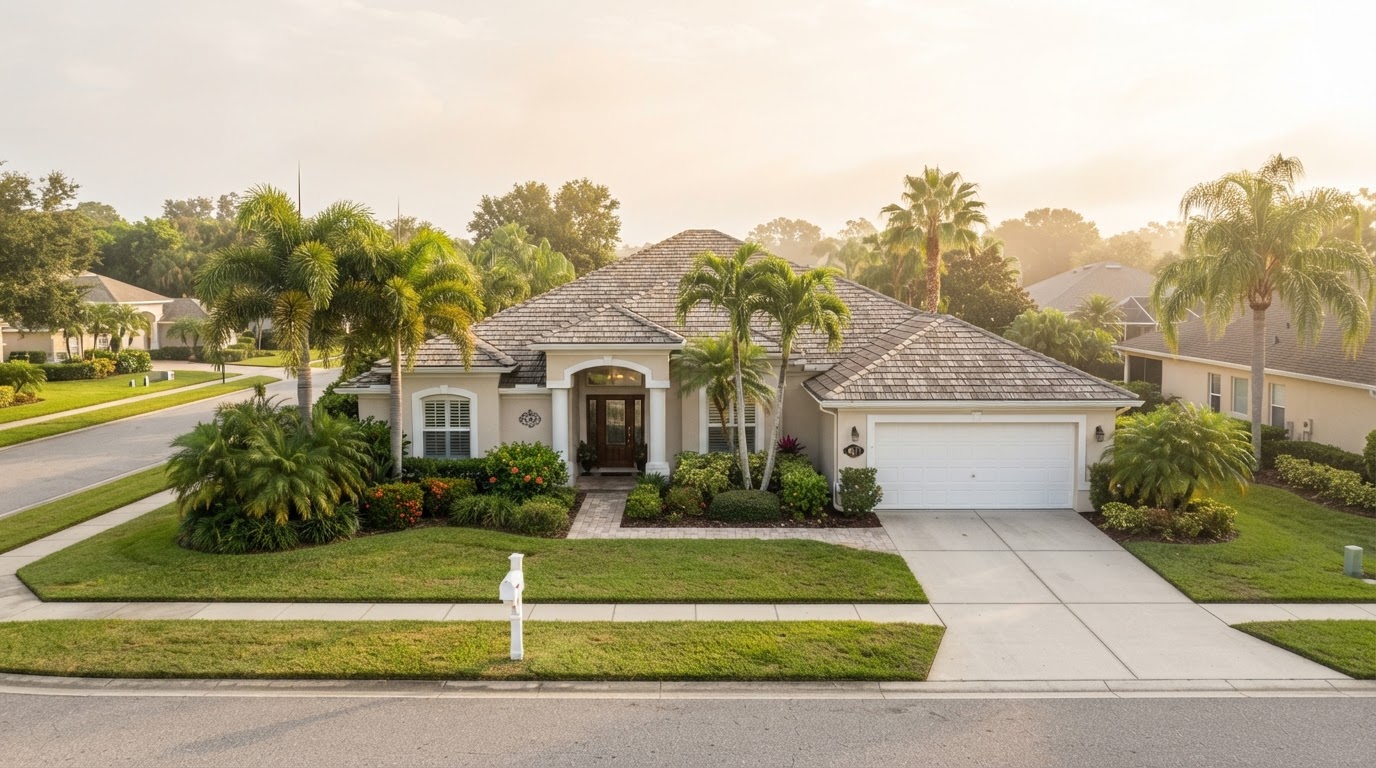
Converting a garage or adding a room is a popular way to add space in Coral Springs — and a common way to create a mold problem. Renovated spaces often lack the moisture design the original home had: the slab was never meant to be living space, and the HVAC was never sized for the new square footage. This article explains the risks.
The garage conversion problem
- Garage slabs lack the moisture barrier living-space slabs have, so ground moisture wicks up into flooring and drywall.
- The garage's wall assembly may lack insulation and vapor control.
- The converted space often gets AC ducts extended from a system not sized for it, leaving humidity poorly controlled.
- The garage door opening, if sealed poorly, leaks humid air.
The addition problem
- New foundations and slabs cure wet — building over them too soon traps moisture.
- Roof tie-ins are common leak points for years after construction.
- HVAC extensions that undersize airflow leave the addition humid.
What to check before renovating
- Slab moisture testing before installing flooring.
- Proper moisture barrier under new flooring.
- HVAC load calculation that includes the new space.
- Sealed and insulated wall assemblies.
What to watch after renovating
- Musty odor in the new space.
- Condensation on windows or walls.
- Flooring that warps or lifts.
- Humidity readings that stay above 60%.
A garage slab was never meant to be a living room floor. Without a moisture barrier and proper HVAC, the renovation inherits the garage's humidity — and the mold that follows.
Frequently asked questions
Why do garage conversions get moldy?+
Garage slabs lack moisture barriers, the wall assemblies lack vapor control, and the extended HVAC is usually undersized — so the space stays humid and mold grows.
What should I test before converting a garage?+
Slab moisture. Installing flooring over a damp slab without a barrier is the most common renovation mold mistake.
Does the HVAC need upgrading for an addition?+
Usually a load calculation is needed. Extending ducts from an undersized system leaves the addition humid, which drives mold risk.
What signs should I watch after a renovation?+
Musty odor, condensation on windows or walls, warping flooring, and humidity above 60% — all indicate the space is not staying dry.
Related resources
If a renovated space in your Coral Springs home smells musty or stays humid, connect with our recommended local mold testing provider for an assessment of the conversion's moisture design.
Need professional mold testing in South Florida?
Connect with our recommended local mold testing provider, MoldXperts, for an independent assessment.
Looking for professional mold testing in Fort Lauderdale? Connect with our recommended local mold testing provider. We may receive compensation when you contact our featured provider.
About this article
This article is published by Best Mold Testing Fort Lauderdale as an independent educational resource. It is reviewed for accuracy and reflects publicly available guidance from agencies including the EPA, CDC, and Florida DBPR. It is not a substitute for professional advice specific to your property.
Get mold prevention tips in your inbox
The South Florida Mold & Healthy Home Newsletter — practical, no spam.