Scheduled article — publishes on January 24, 2027. Not yet visible on the public blog feed.
Mold Testing in Boca Raton Oceanfront Condos: Salt Air and Seasonal Occupancy
Oceanfront condos in Boca Raton face salt-air AC corrosion and vacancy-driven humidity. Here is what condo owners should watch for.
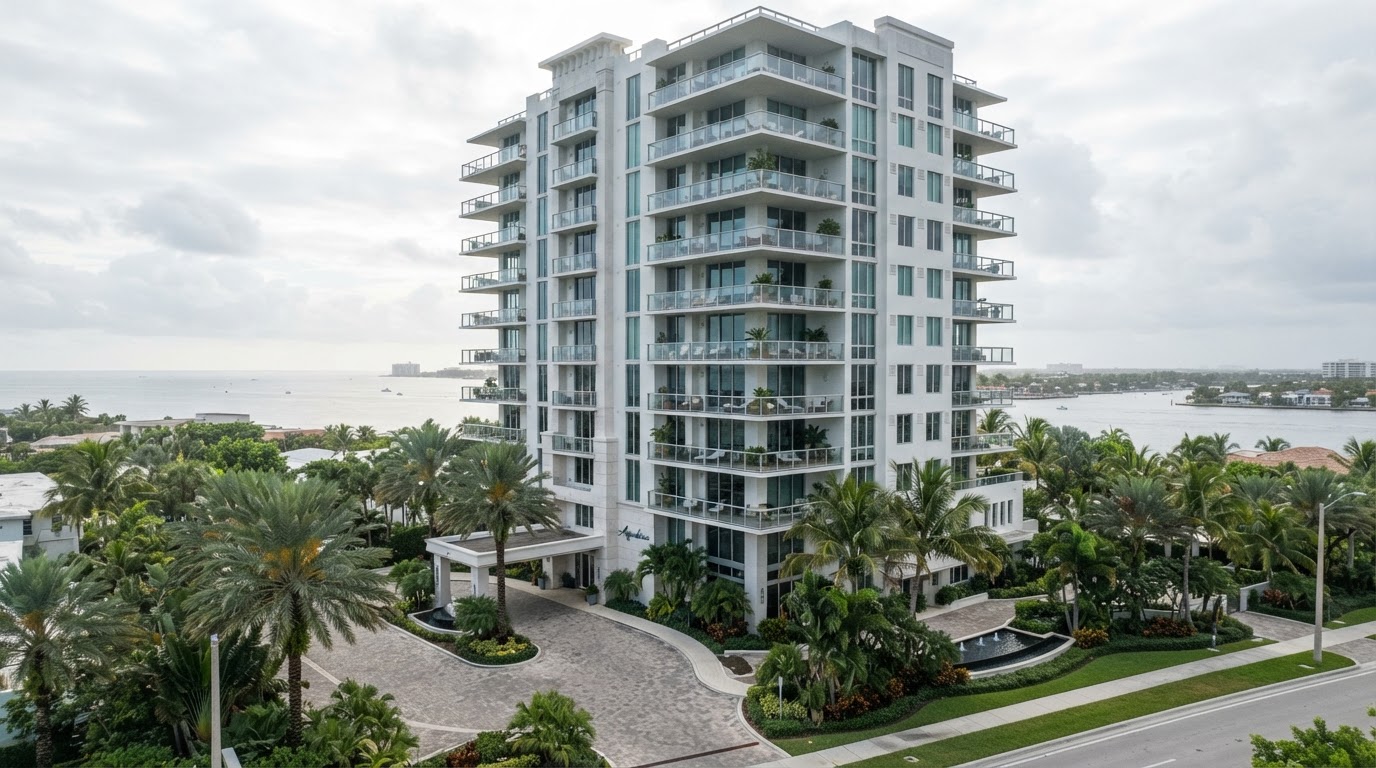
Boca Raton's oceanfront condominium towers combine two powerful mold drivers: direct salt-air exposure that corrodes AC components, and seasonal occupancy that leaves units vacant with the AC off. This article explains what oceanfront condo owners in Boca Raton should watch for and when testing makes sense.
Salt-air AC corrosion
Direct ocean exposure corrodes AC coils, condensate pans, and metal components faster than anywhere inland. Corroded pans crack, lines clog, and coils grow mold — and the corrosion cycle accelerates with every year of exposure. Oceanfront AC systems need service more often than inland systems, and condensate failures are the most common indoor moisture source in these buildings.
Stacked plumbing and shared systems
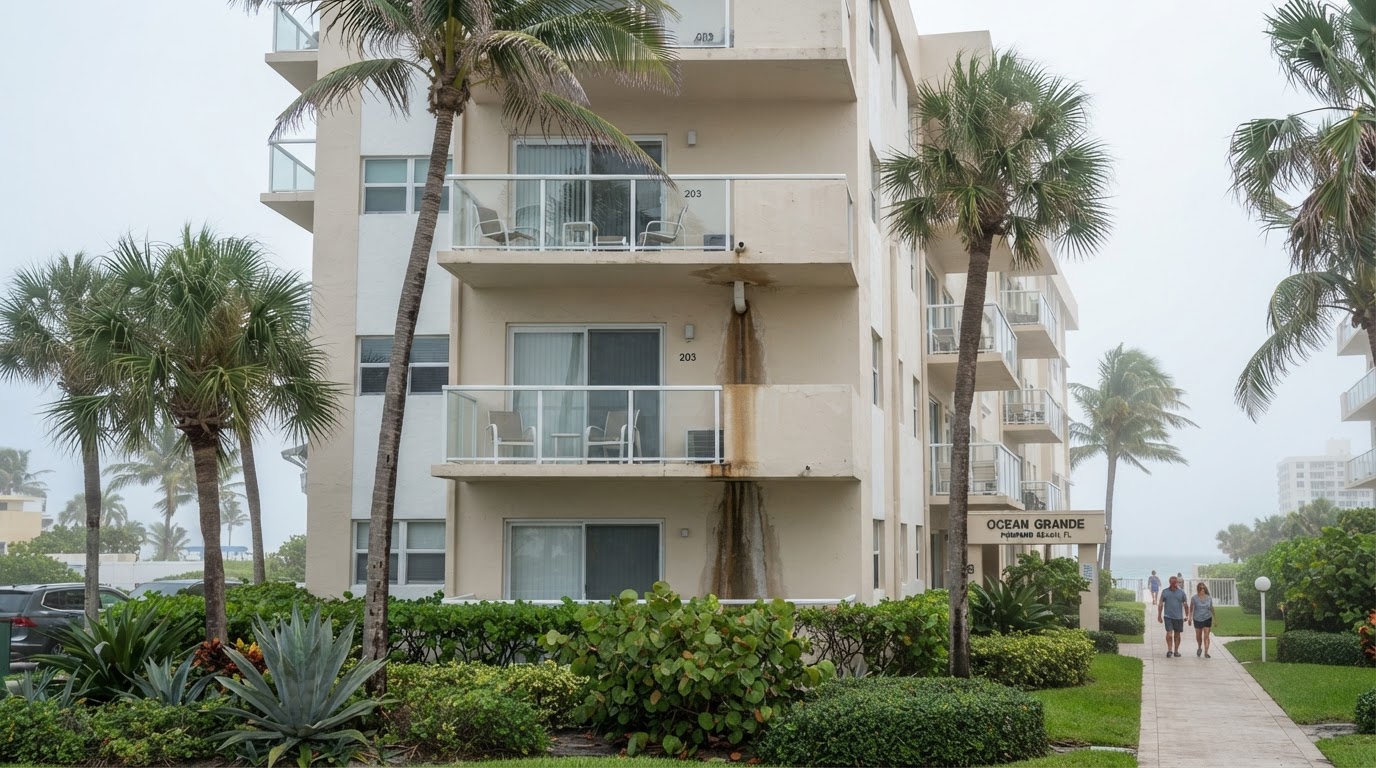
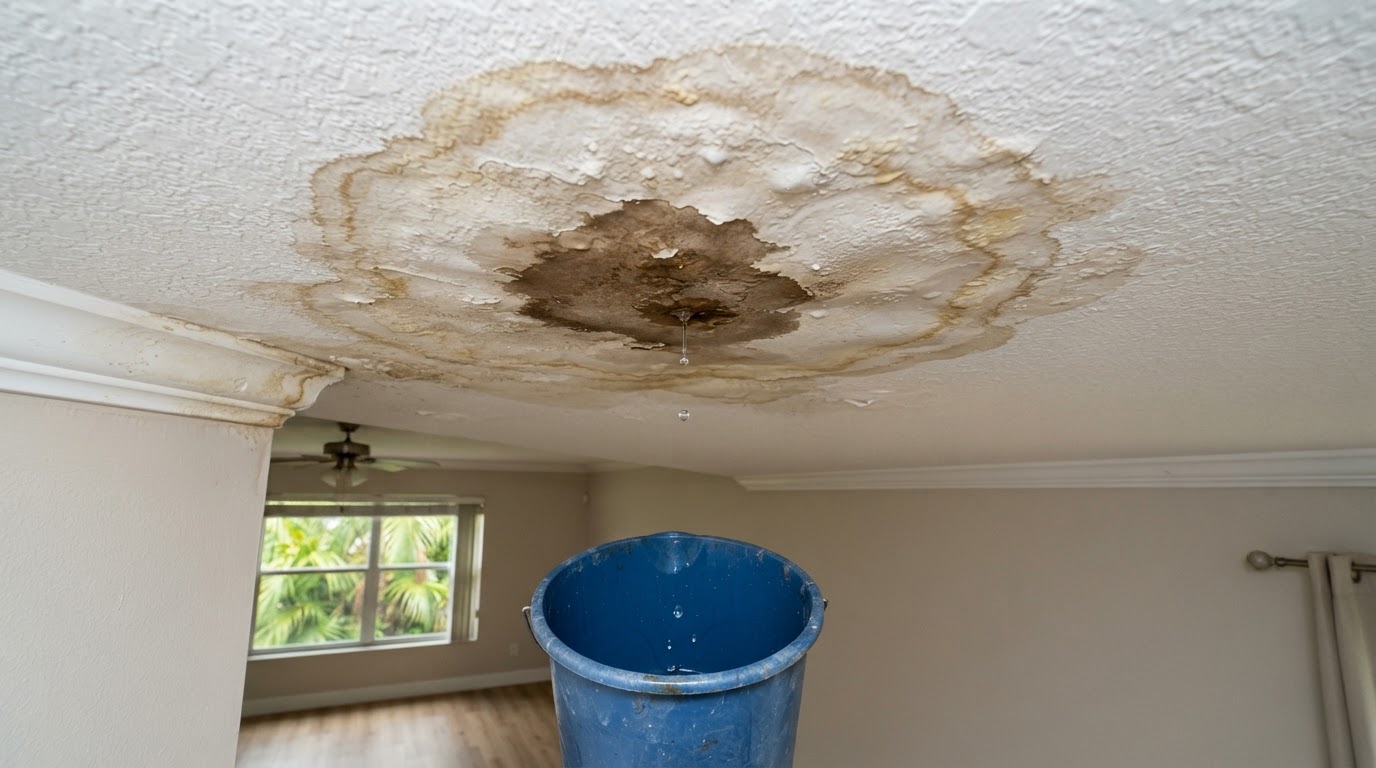
Plumbing risers run through shared walls from floor to floor, and a slow leak in a unit above can travel down and grow mold in your ceiling. Shared rooftop AC and ductwork can also distribute mold from one source to multiple units.
Seasonal vacancy
Many oceanfront units sit vacant for months. Without dehumidification, humidity spikes and condensation settles on every surface — including high-end finishes and contents. Vacancy-driven mold is the most common pattern in this market, and it often affects the entire unit rather than a single room.
Warning signs for oceanfront condo owners
- A musty smell when you return to a vacant unit.
- A musty smell strongest when the AC first turns on.
- Water stains on the ceiling below the unit above.
- Visible dark growth around a supply vent or air handler closet.
- Discoloration on clothing, furniture, or finishes after a vacancy.
In an oceanfront tower, the AC is both your dehumidifier and your most likely mold source. Salt air guarantees the components corrode — the question is whether you catch the condensate failure early.
How fast salt air ages an oceanfront AC
Direct ocean exposure shortens the service life of every AC component that touches the air. Coils, condensate pans, and metal parts corrode faster than inland — meaning the pan cracks sooner, the line clogs with corrosion debris sooner, and the coil grows mold sooner. An oceanfront AC on an annual service schedule is often already behind, and condensate failures in these buildings are the most common indoor moisture source for that reason.
- Service oceanfront AC condensate systems twice a year, not once — the pan and line corrode faster than inland.
- A corrosion-protected coastal coil and pan extend the system's useful life and delay the first condensate failure.
- If the unit is 10 years old and oceanfront, budget for replacement before the next condensate event.
Vacancy in an oceanfront unit: the whole envelope
An oceanfront unit left vacant with the AC off does not just grow mold in one room — the entire envelope sits in high humidity, and condensation settles on every surface including finishes, artwork, and contents that are costly to restore. By the time an owner returns for the season, vacancy-driven mold can extend across the whole unit. The prevention is running the AC to hold humidity below 55% and having someone check for musty odors monthly, which costs a fraction of restoring a humidity-damaged unit.
Testing upstream and downstream of the coil
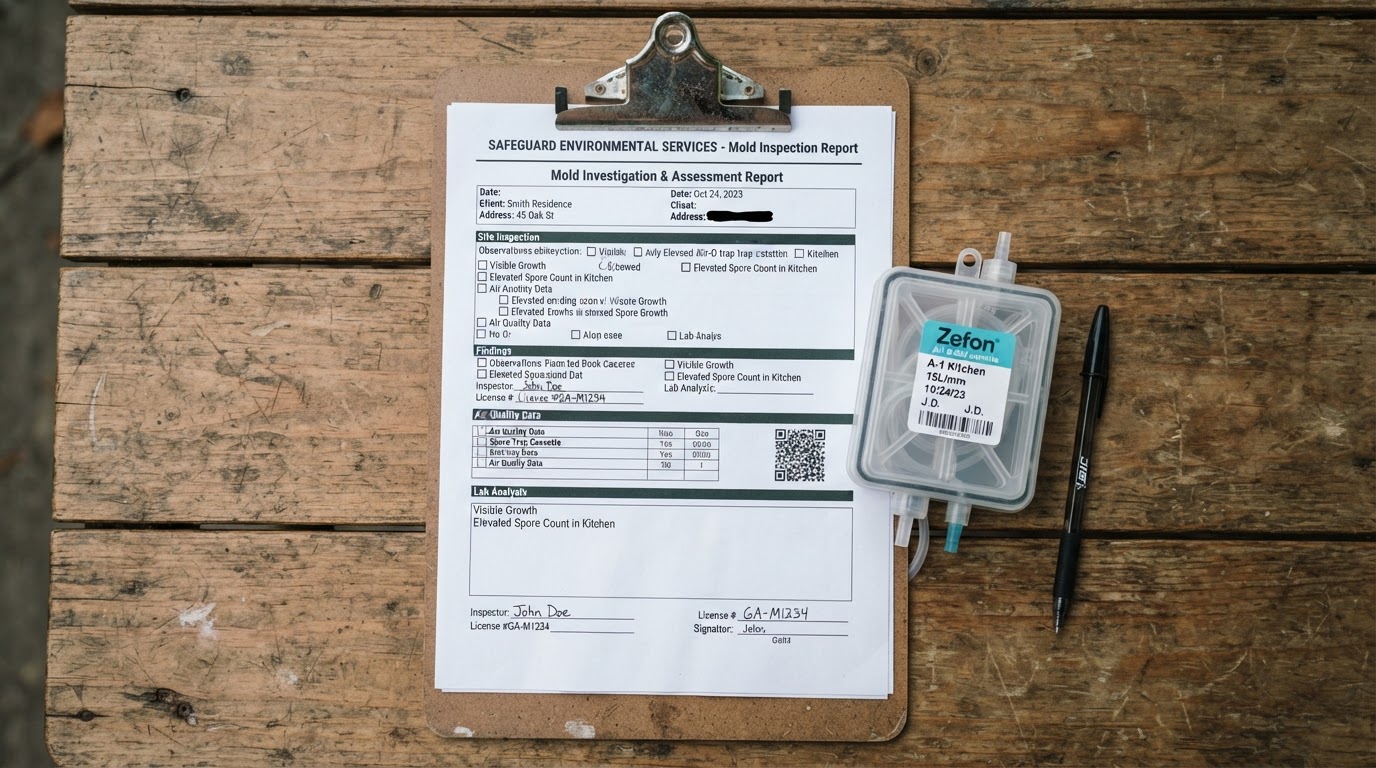
When a musty smell appears only when the AC runs, the question is whether the system is producing mold or merely moving air past an existing source. Sampling upstream and downstream of the evaporator coil answers that: if spore levels rise across the coil, the AC is the source; if they stay the same, the mold is elsewhere and the AC is just circulating it. That distinction shapes the fix — cleaning the coil and duct versus finding and remediating a hidden source.
Prevention for oceanfront condo owners
- Service AC condensate systems more frequently than inland — every six months is reasonable near the ocean.
- If you leave seasonally, keep the AC running and humidity below 55%.
- Have someone check your unit for musty odors monthly while away.
- Know your unit's plumbing riser location and report leaks fast.
- Leave interior doors open for airflow during vacancy.
When to test
- Before reopening a seasonally vacant unit if any odor is present.
- After a condensate overflow or a leak from the unit above.
- When a musty smell persists after the AC has been serviced.
- Before buying an oceanfront condo, given the corrosion and vacancy history.
Frequently asked questions
Why do oceanfront AC systems fail more often?+
Salt-laden air corrodes coils, condensate pans, and metal components much faster than inland air. Corroded pans crack and lines clog, creating indoor moisture sources.
How often should an oceanfront AC be serviced?+
Every six months is reasonable near the ocean, versus annually inland. The condensate pan, line, and coil should be checked at every service.
Can mold spread through the building's shared HVAC?+
Yes. Mold in rooftop equipment or shared ductwork can be distributed through the airstream to multiple units. Testing can compare air upstream and downstream of the coil.
Should I test an oceanfront condo before buying it?+
Yes. Salt-air corrosion and possible vacancy history make hidden mold more likely. A pre-purchase inspection can find problems before you close.
Related resources
If you own or are buying an oceanfront condo in Boca Raton, connect with our recommended local mold testing provider for an assessment that includes the AC system and the unit above.
Need professional mold testing in South Florida?
Connect with our recommended local mold testing provider, MoldXperts, for an independent assessment.
Looking for professional mold testing in Fort Lauderdale? Connect with our recommended local mold testing provider. We may receive compensation when you contact our featured provider.
About this article
This article is published by Best Mold Testing Fort Lauderdale as an independent educational resource. It is reviewed for accuracy and reflects publicly available guidance from agencies including the EPA, CDC, and Florida DBPR. It is not a substitute for professional advice specific to your property.
Get mold prevention tips in your inbox
The South Florida Mold & Healthy Home Newsletter — practical, no spam.