Scheduled article — publishes on November 25, 2026. Not yet visible on the public blog feed.
Hidden Mold Behind Drywall in Boca Raton Homes: How to Find It Before It Spreads
Mold often grows out of sight behind Boca Raton walls after a slow leak. Here is what causes it, the signs to watch for, and how professional testing finds it without demolition.
The most damaging mold in a Boca Raton home is usually the mold you cannot see. It grows behind walls, under cabinets, and inside ceiling cavities — fed by a slow leak that went unnoticed. By the time it shows through the paint, the contamination is often extensive. This article explains why hidden mold is so common in Boca Raton, the signs that point to it, and how professional testing finds it without tearing into walls.
Why hidden mold is common in Boca Raton
Boca Raton's mix of older and newer construction creates different paths to hidden mold. Older homes in the eastern, coastal neighborhoods often have aging plumbing and roofs that develop slow, hidden leaks. Newer construction out west tends to have tight building envelopes that trap moisture if ventilation and dehumidification are not well managed. In both cases, drywall — which is paper-faced and highly porous — is the material most likely to hide growth.
How mold grows behind drywall
Drywall is essentially paper over gypsum, and paper is an ideal food source for mold. When the back side of a wall stays wet from a leak inside the cavity — a slow pipe leak, water wicking up from a slab, or wind-driven rain through a wall penetration — mold grows there first, out of sight. It can colonize the back of the drywall, the studs, and the insulation long before anything is visible on the finished side.
- Slow plumbing leaks inside wall cavities, often from aging supply lines or fixture seals.
- Roof leaks that travel down framing and wet the top of a wall from the inside.
- Slab moisture wicking up into bottom plates and the lower drywall in homes without a proper moisture barrier.
- Condensation inside exterior walls from humid air meeting a cooled surface.
- A neighbor's leak in a shared-wall townhome or condo.
Signs that point to hidden mold
Because you cannot see behind the wall, you have to read the indirect signs. Any one of these is worth investigating; several together make testing a good idea.
- A persistent musty or earthy odor you cannot trace to a visible source.
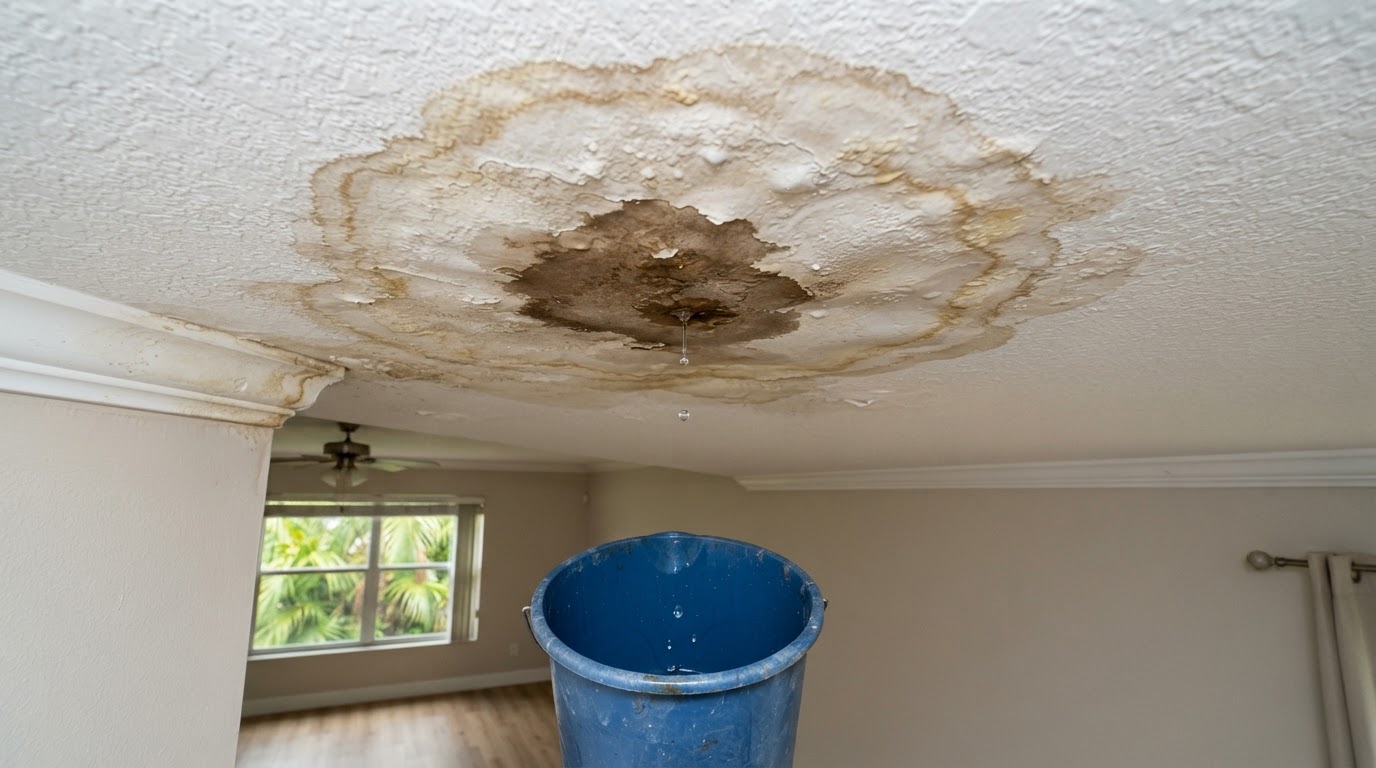
- Water stains on walls or ceilings — even if they have dried.
- Peeling or bubbling paint, which can mean moisture is trapped behind the wall.
- A soft, warped, or discolored section of baseboard.
- Allergy or asthma symptoms that improve when you leave the home.
- A recent leak, plumbing repair, or roof issue in the area.
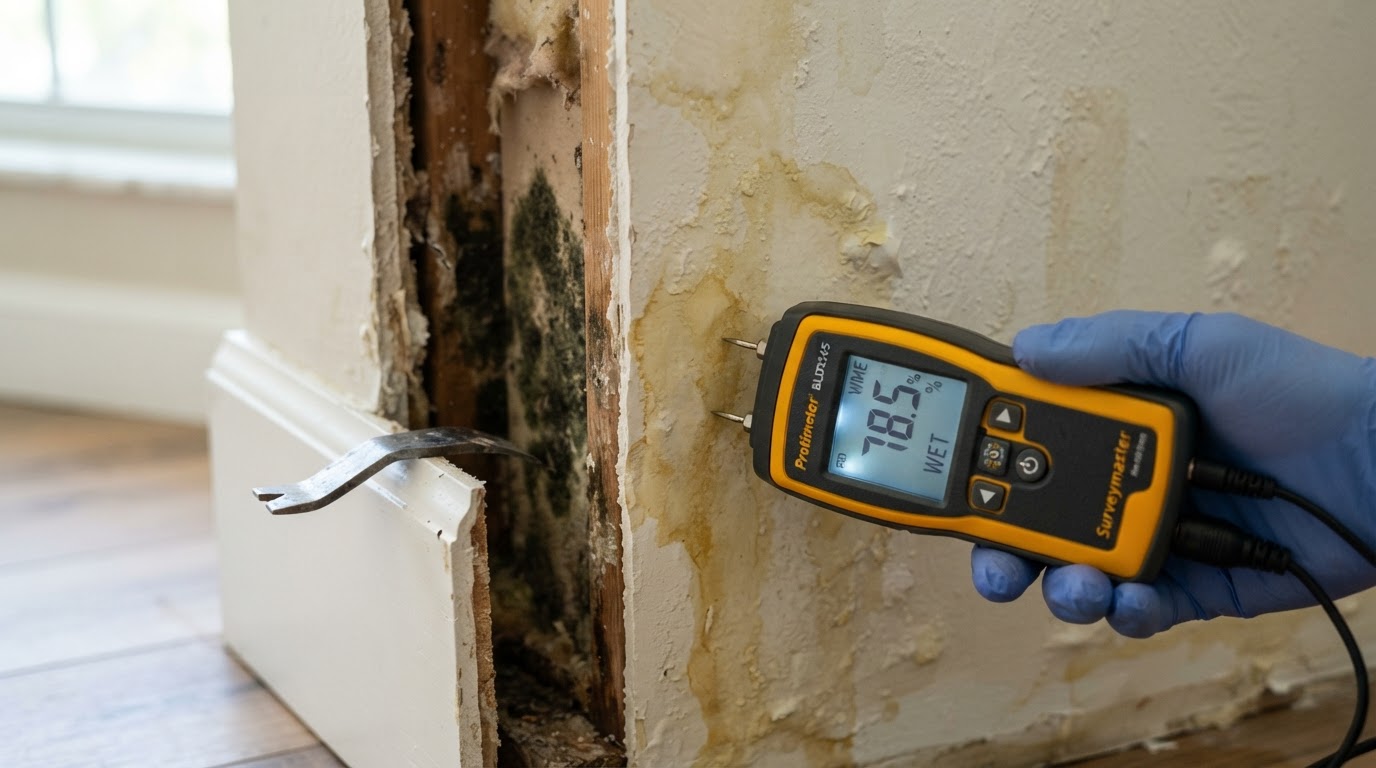
The visible surface can look completely fine while the back of the drywall is actively growing mold. This is why moisture meters and thermal imaging matter — they see what the eye cannot.
How testing finds hidden mold without demolition
Professional assessors do not need to open a wall to find hidden mold. They use a combination of tools that detect the moisture and the spores a hidden source produces.
- Pinless moisture meters detect elevated moisture in drywall and studs behind the surface, without puncturing it.
- Thermal imaging cameras show temperature differences caused by trapped moisture or missing insulation.
- Air sampling compares indoor spore levels to an outdoor baseline; elevated levels or unusual species indoors point to a hidden source.
- Wall cavity sampling (through a small access port) can directly sample the air inside a suspect wall.
When to test in a Boca Raton home
Testing is worth it after any leak that soaked a wall, after a roof or plumbing repair in a suspect area, before buying an older Boca Raton home, or when persistent symptoms or odors suggest a hidden source. Because hidden mold continues to grow as long as moisture is available, finding it early keeps the cleanup small.
Frequently asked questions
Can mold grow behind drywall without any visible water?+
Yes. A slow leak inside the wall cavity, condensation, or moisture wicking up from a slab can keep the back of the drywall damp enough for mold to grow while the finished side looks completely dry.
How do professionals find mold behind a wall without cutting it open?+
Pinless moisture meters detect damp materials behind the surface, thermal imaging shows temperature differences from trapped moisture, and air sampling detects elevated spore levels that indicate a hidden source — all without demolition.
Does a musty smell always mean mold?+
A persistent musty or earthy odor is a strong indicator of microbial growth, even when nothing is visible. It is one of the most reliable early signs of hidden mold and is worth investigating.
Should I test for hidden mold before buying a Boca Raton home?+
It is worth it for older homes, homes with a history of leaks, or any home that has been vacant with the AC off. A pre-purchase mold inspection can find hidden growth before you close, when you can still negotiate or walk away.
Related resources
If you suspect hidden mold behind a wall in your Boca Raton home, connect with our recommended local mold testing provider for an assessment that looks beyond the visible surface.
Need professional mold testing in South Florida?
Connect with our recommended local mold testing provider, MoldXperts, for an independent assessment.
Looking for professional mold testing in Fort Lauderdale? Connect with our recommended local mold testing provider. We may receive compensation when you contact our featured provider.
About this article
This article is published by Best Mold Testing Fort Lauderdale as an independent educational resource. It is reviewed for accuracy and reflects publicly available guidance from agencies including the EPA, CDC, and Florida DBPR. It is not a substitute for professional advice specific to your property.
Get mold prevention tips in your inbox
The South Florida Mold & Healthy Home Newsletter — practical, no spam.