Scheduled article — publishes on December 10, 2026. Not yet visible on the public blog feed.
Pre-Purchase Mold Inspections in Davie, FL: What Buyers Should Know
Davie's older rural homes and equestrian properties carry unique moisture risks. Here is why a separate mold inspection before closing is often worth it.
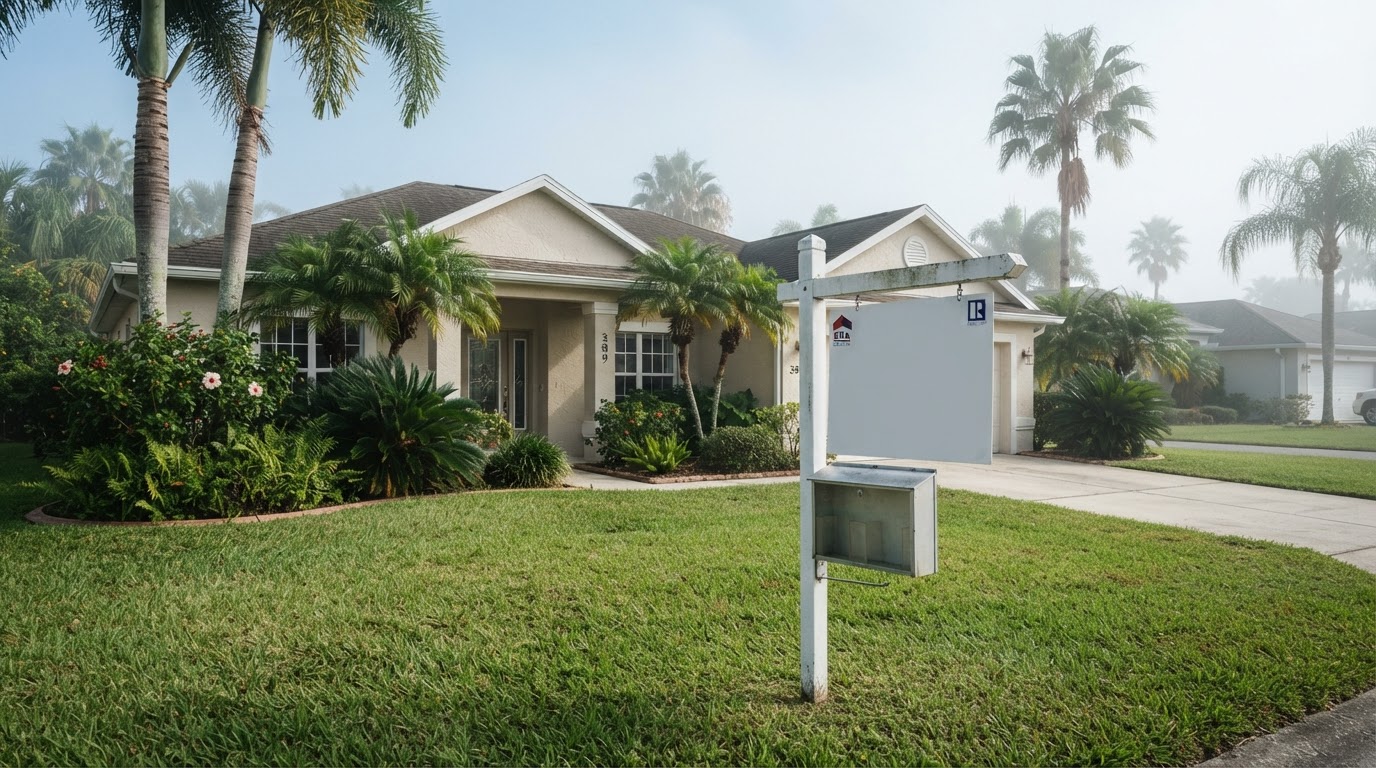
Davie's character — larger lots, equestrian properties, and a mix of older rural homes and newer planned communities — creates a mold risk profile that a standard home inspection does not fully capture. Outbuildings, well-water irrigation, and aging rural plumbing all add moisture sources that a general inspector may note but not investigate for mold. This article explains why a separate pre-purchase mold inspection is often worth it for a Davie buyer.
Why a home inspection is not a mold inspection
A general home inspector evaluates the structure, roof, plumbing, electrical, and major systems. They may note visible water stains or obvious growth, but they typically do not take air or surface samples, do not send anything to a lab, and usually are not licensed mold assessors. A mold inspection is a separate, specialized service that uses moisture meters, thermal imaging, and lab-analyzed samples to find hidden growth.
Davie-specific risks a mold inspection addresses
- Older equestrian properties with barns and outbuildings that are poorly ventilated and prone to mold.
- Well-water irrigation that keeps exterior walls and soil damp, raising ambient moisture.
- Aging rural plumbing with slow supply-line leaks behind walls.
- Larger lots with mature trees that block airflow and keep siding damp.
- Outbuildings converted to living space without proper moisture management.
When a pre-purchase mold inspection pays off
- The home is older or has a history of roof or plumbing leaks.
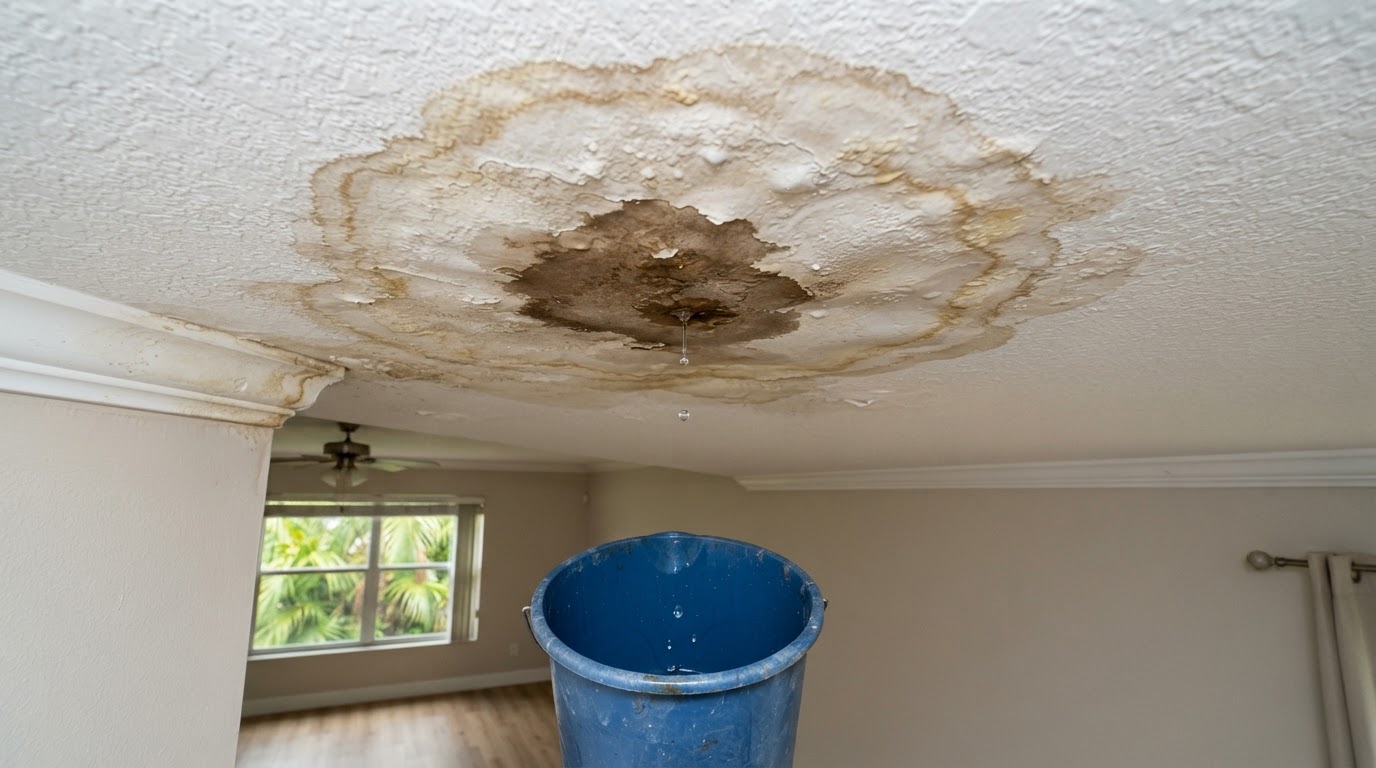
- You see water stains, warped flooring, or discolored patches during a walkthrough.
- The home has been vacant with the AC off.
- There is a persistent musty smell you cannot trace to a visible source.
- The property includes outbuildings you plan to use or convert.
- Anyone in your household has mold sensitivities or respiratory conditions.
What a pre-purchase mold inspection includes
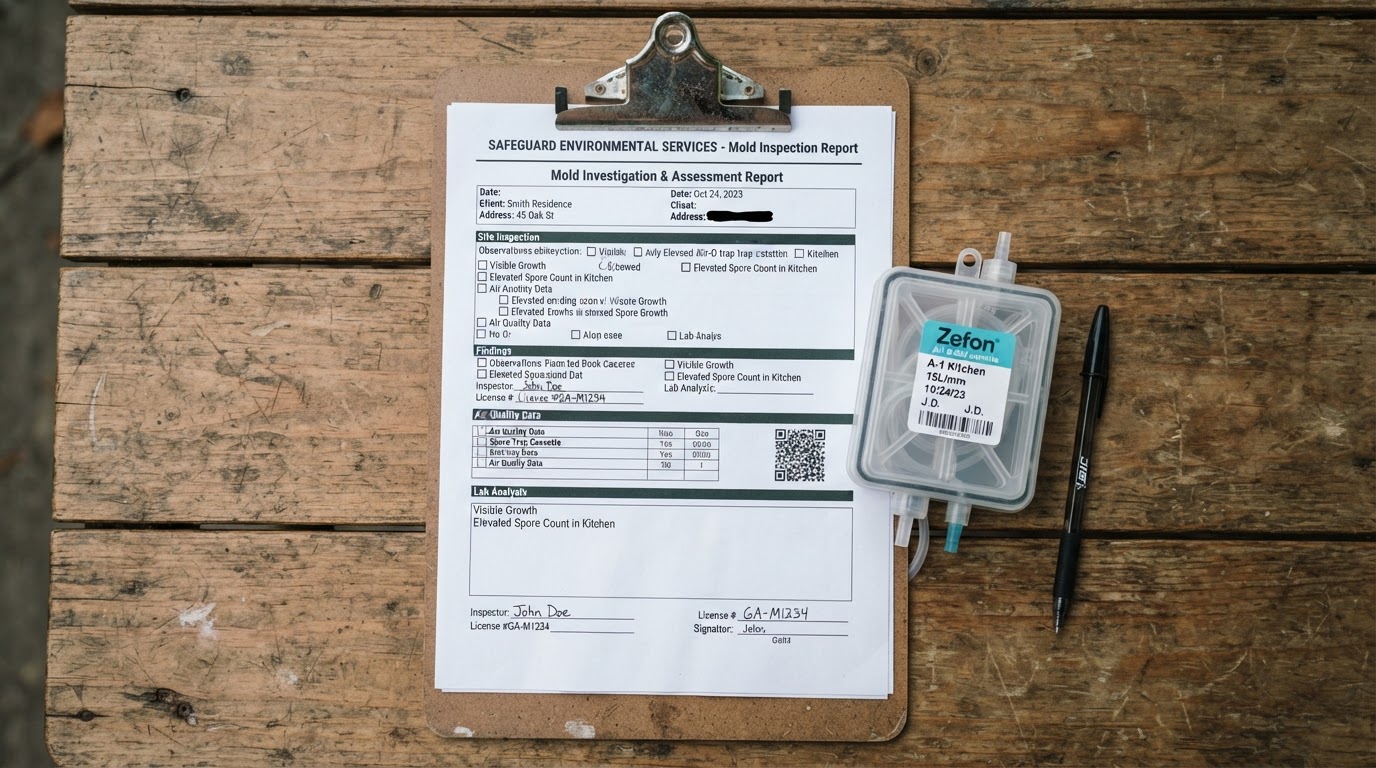
An independent mold assessor performs a visual inspection of the home and accessible outbuildings, uses moisture meters and thermal imaging to find hidden dampness, and collects air and surface samples for laboratory analysis. You receive a written report with results and recommendations — before you close, so you can negotiate repairs, adjust your offer, or walk away if the problem is serious.
Davie-specific moisture sources to flag
Davie's mix of rural acreage and planned communities creates moisture sources a buyer in a typical suburban subdivision would never encounter. Ask the assessor to pay special attention to these.
- Well-water irrigation systems that keep exterior walls, soil, and outbuilding foundations damp for long stretches, raising ambient moisture around the home.
- Barns, tack rooms, and converted outbuildings that are poorly ventilated and often unconditioned — prime mold sites a standard inspection may skip.
- Septic drain fields that, if aging or failing, keep the surrounding ground saturated and wick moisture toward the foundation.
- Mature tree canopies on larger lots that block airflow and keep siding and roofs damp after rain, accelerating exterior mold and staining.
- Older rural plumbing with galvanized or early copper lines more prone to slow, hidden leaks behind walls.
Using the report in negotiations
A written mold inspection report is leverage, not just information. If it finds hidden growth, you can request that the seller remediate before closing, reduce the purchase price to cover the cleanup, or make remediation a condition of the sale. If the problem is serious and the seller will not address it, the report gives you a documented basis to walk away and recover any earnest money tied to an inspection contingency. The key is ordering the inspection early enough in your contingency period that you still have time to act on the results.
Questions to ask before you schedule
- Are you a licensed mold assessor in Florida?
- Is the laboratory you use accredited?
- Will I receive a written report with lab results and photos?
- Do you also perform remediation, or are you independent?
- Can you inspect outbuildings as well as the main home?
- What does the inspection cost, and how many samples are included?
A few hundred dollars of testing before closing can save tens of thousands in hidden remediation after you move in — especially on an older Davie property with outbuildings and original plumbing.
Frequently asked questions
Does a standard home inspection include mold testing?+
No. A general home inspector may note visible water stains or obvious growth, but they typically do not take lab-analyzed samples and usually are not licensed mold assessors. Mold testing is a separate, specialized service.
Should I test outbuildings on a Davie equestrian property?+
Yes, if you plan to use or convert them. Barns and outbuildings are often poorly ventilated and prone to mold. A pre-purchase inspection can be expanded to include them.
Can I negotiate based on mold findings before closing?+
Yes. A written mold inspection report gives you leverage to request repairs, a price reduction, or remediation as a condition of sale — or to walk away if the problem is serious.
Who pays for mold testing in a real estate transaction?+
It is negotiable. In South Florida, the buyer typically pays for their own pre-purchase mold inspection, just as they pay for a general home inspection. The results can then inform negotiations with the seller.
Related resources
If you are buying a home in Davie, connect with our recommended local mold testing provider for an independent pre-purchase assessment before you close.
Need professional mold testing in South Florida?
Connect with our recommended local mold testing provider, MoldXperts, for an independent assessment.
Looking for professional mold testing in Fort Lauderdale? Connect with our recommended local mold testing provider. We may receive compensation when you contact our featured provider.
About this article
This article is published by Best Mold Testing Fort Lauderdale as an independent educational resource. It is reviewed for accuracy and reflects publicly available guidance from agencies including the EPA, CDC, and Florida DBPR. It is not a substitute for professional advice specific to your property.
Get mold prevention tips in your inbox
The South Florida Mold & Healthy Home Newsletter — practical, no spam.