Scheduled article — publishes on January 15, 2027. Not yet visible on the public blog feed.
Mold Testing in Weston: Master-Planned Homes and HOA-Managed Exteriors
Weston's HOA-managed communities and lake-adjacent homes create shared-responsibility moisture issues. Here is what local homeowners should know.
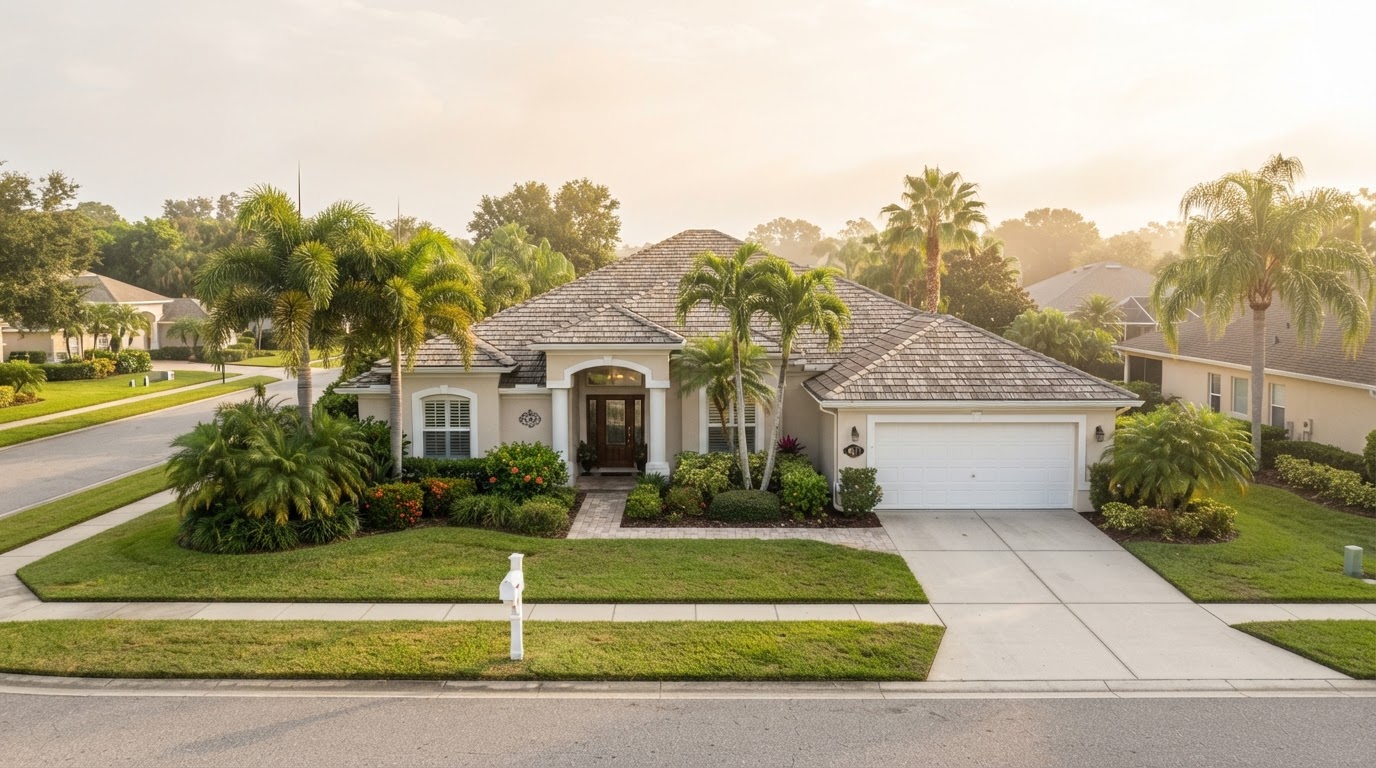
Weston is a master-planned, HOA-managed community in western Broward with consistent housing stock and extensive lakes and canals. Its managed character means mold issues often trace to shared infrastructure and water-table drainage — and responsibility for the exterior may belong to the HOA, not the homeowner. This article explains what is specific about mold risk in Weston and when testing makes sense.
Lake and canal water tables
Weston's extensive lake and canal network manages stormwater but keeps water tables high. Homes backing onto water features face seepage toward foundations in heavy rain, keeping lower walls and baseboards damp longer than in higher areas.
Shared townhome walls
Townhome shared walls can transmit moisture between units. A leak in a neighbor's unit or a shared exterior wall can grow mold in your unit without any source on your side. Tracing the water path requires an assessment that looks at the shared assembly, not just your interior.
HOA maintenance gaps
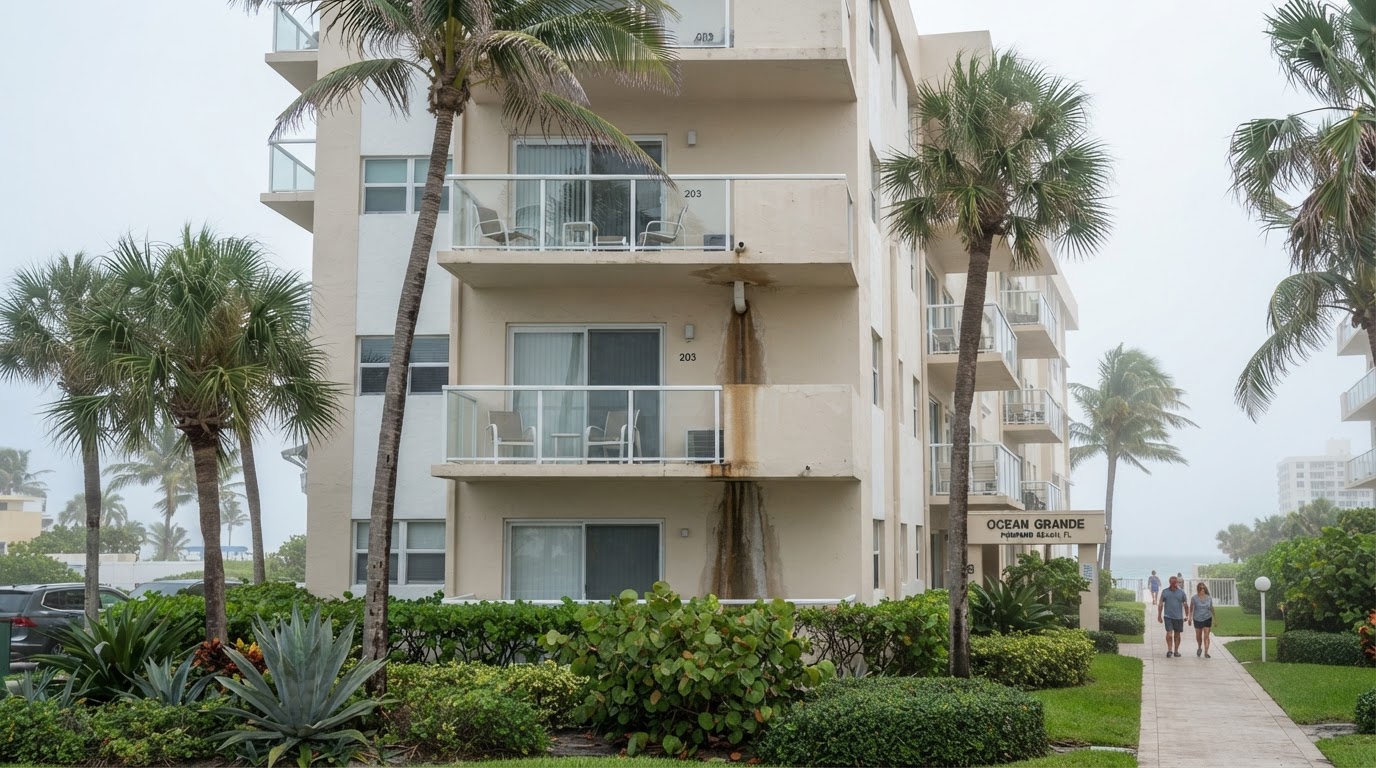
Exterior maintenance — roofs, siding, flashing, gutters — often depends on the HOA. Delayed roof or siding work can let water in, and the resulting mold appears inside your unit while the source is outside your control. Documenting the moisture source matters for assigning responsibility.
Warning signs for Weston homeowners
- Damp or discolored baseboards and lower walls, especially after storms.
- A musty smell near a shared wall or in a unit backing onto water.
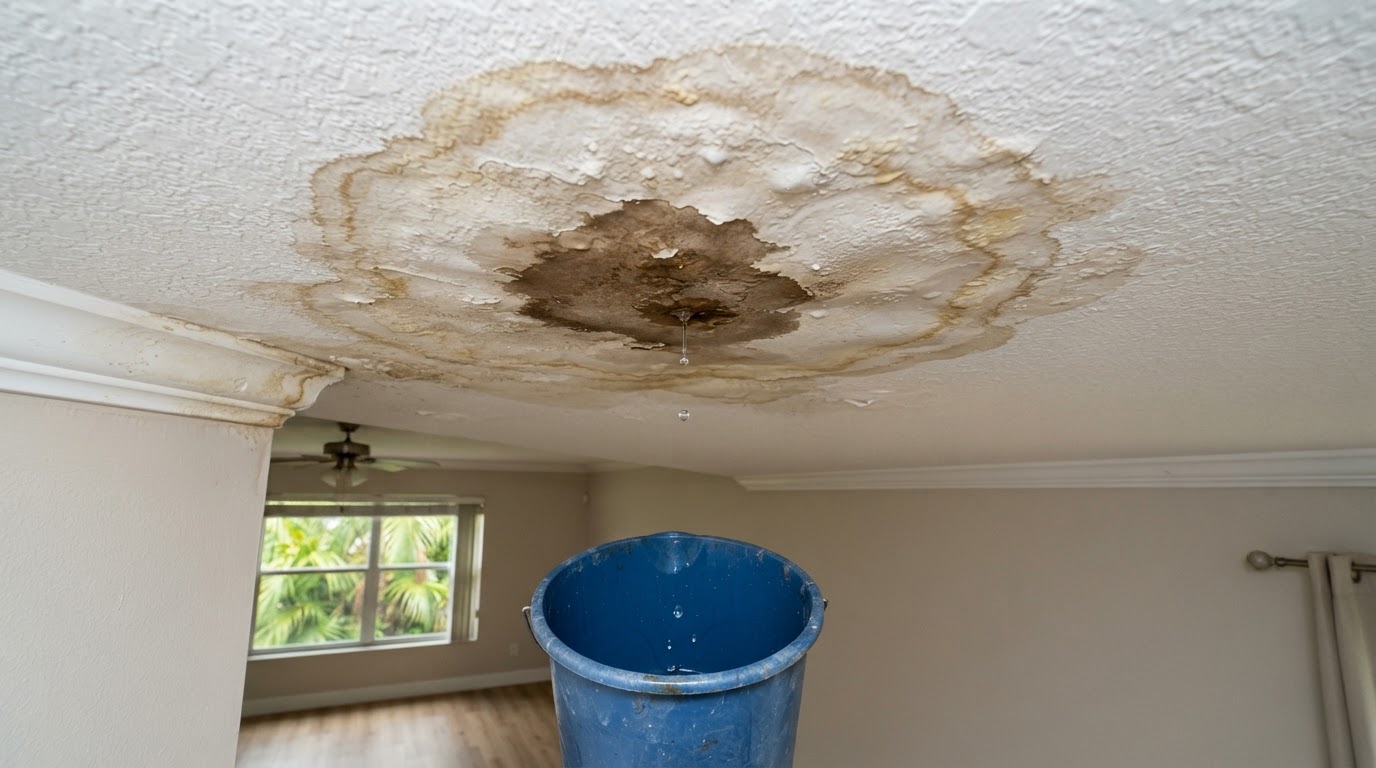
- Water stains on ceilings, especially in townhomes with shared roofs.
- A musty odor that persists despite your own maintenance.
In an HOA community, the moisture source may be a roof or wall you do not own. A documented assessment is how you connect the mold in your unit to the exterior maintenance that caused it.
Townhome shared walls and the water path
Weston's townhomes share wall assemblies between units, and moisture does not respect a property line. A leak in a neighbor's unit — a supply line, a roof penetration, a failed flashing — can migrate through the shared assembly and grow mold in your wall or ceiling, with no source on your side. Tracing that path requires an assessment that looks at the shared assembly, not just your interior, because the visible symptom is yours but the source may belong to the unit next door.
- A ceiling stain in a townhome with no upstairs plumbing may trace to the neighbor's unit or a shared roof penetration.
- Coordinate with the adjacent owner before opening a shared wall; the source may be on their side.
- Document where the moisture appears relative to the shared wall assembly so the path can be traced.
Lakes and drainage in a master-planned community
Weston's lakes and canals are engineered for stormwater, but they keep the water table high across the community. Homes backing onto a lake sit with saturated soil near the slab much of the year, and after heavy rain that moisture moves toward the foundation. The same lake that makes the lot desirable is the reason baseboards and lower walls stay damp longer than on an interior lot — a trade-off worth understanding before you buy.
Documenting an HOA-related moisture problem
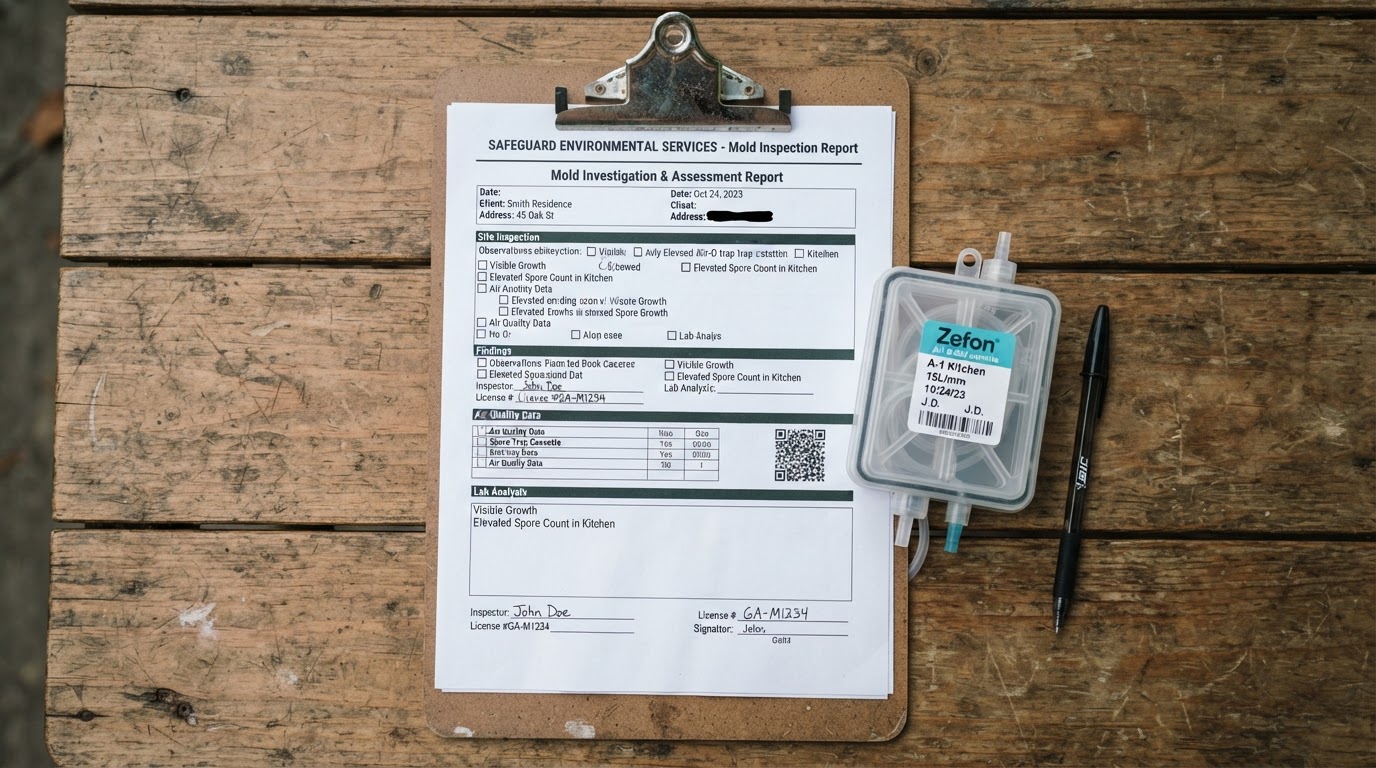
When the mold source is an HOA-maintained element — a roof, siding, or exterior wall — your case depends on documentation that links the indoor problem to the exterior source. A written mold assessment that traces the moisture from the HOA element to the interior damage is the evidence you need for an HOA discussion or an insurance claim. Report the exterior issue to the HOA in writing as soon as you notice it, and keep the correspondence, because a documented timeline is your strongest position if responsibility is disputed.
- Report any exterior leak, siding, or roof issue to the HOA in writing and keep a copy.
- A mold assessment that traces the water from the HOA element to your interior damage is the evidence that supports a claim.
- Photograph both the exterior source and the interior symptom, with dates, so the link is clear.
Prevention for Weston homeowners
- Report roof, siding, or flashing issues to the HOA promptly and in writing.
- If you back onto water, check for slab-edge dampness after storms.
- In townhomes, coordinate with neighbors on shared-wall moisture.
- Keep indoor humidity below 50% and monitor with a hygrometer.
When to test
- After any water intrusion or HOA-reported exterior leak.
- When baseboards or lower walls feel damp, especially near water features.
- When a musty odor persists despite your own maintenance.
- Before buying a Weston townhome or lake-adjacent home.
Frequently asked questions
Who is responsible for mold from an HOA-maintained roof leak?+
It depends on your HOA documents and Florida law. A documented mold assessment that traces the moisture to an HOA-maintained exterior element is essential evidence for assigning responsibility.
Can mold come through a shared townhome wall?+
Yes. Moisture from a neighbor's unit or a shared exterior wall can migrate through the shared assembly. An assessment that examines the shared wall, not just your interior, can trace it.
Does backing onto a lake increase mold risk?+
It can. Lake and canal networks keep water tables high, and homes backing onto water face seepage toward foundations in heavy rain, keeping lower walls damp longer.
Should I test before buying a Weston townhome?+
Yes. Shared walls, HOA-managed exteriors, and lake-adjacent water tables all add moisture paths. A pre-purchase inspection can find hidden problems before you close.
Related resources
If you own or are buying a home in Weston and suspect hidden moisture, connect with our recommended local mold testing provider for a documented assessment that can support HOA or insurance discussions.
Need professional mold testing in South Florida?
Connect with our recommended local mold testing provider, MoldXperts, for an independent assessment.
Looking for professional mold testing in Fort Lauderdale? Connect with our recommended local mold testing provider. We may receive compensation when you contact our featured provider.
About this article
This article is published by Best Mold Testing Fort Lauderdale as an independent educational resource. It is reviewed for accuracy and reflects publicly available guidance from agencies including the EPA, CDC, and Florida DBPR. It is not a substitute for professional advice specific to your property.
Get mold prevention tips in your inbox
The South Florida Mold & Healthy Home Newsletter — practical, no spam.