Scheduled article — publishes on March 31, 2027. Not yet visible on the public blog feed.
Mold Testing in Pompano Beach Single-Family Homes: Canal Living and Coastal Humidity
Pompano Beach's single-family homes face canal water tables, salt air, and aging systems. Here is what homeowners should watch for.
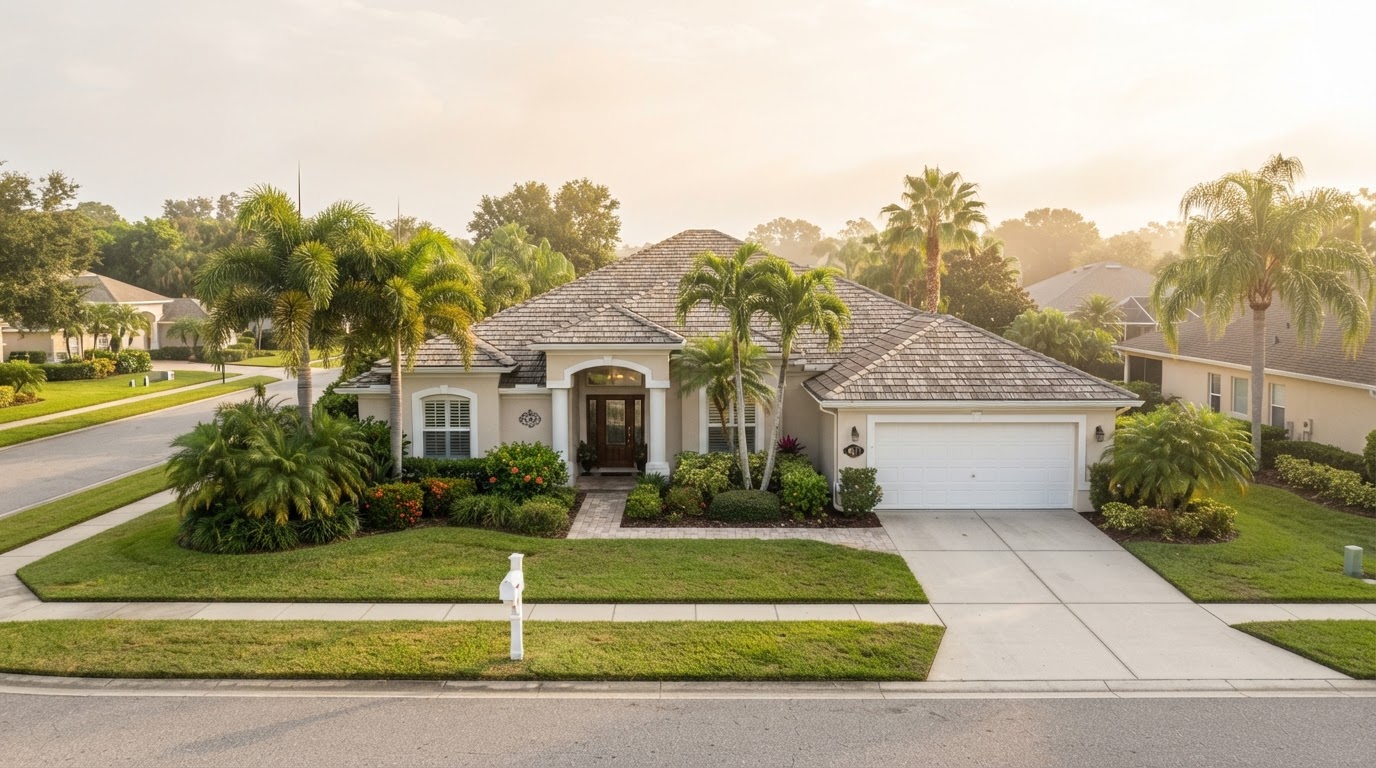
Pompano Beach's single-family neighborhoods — from canal-front homes east of the Intracoastal to western suburbs — face a distinct mold risk profile from the city's condos. Canal water tables, salt air, and aging housing stock combine in ways that deserve their own attention. This article explains what single-family homeowners in Pompano Beach should watch for and when testing makes sense.
Canal water tables and slab moisture
Canal-front homes sit close to the water table. Ground moisture can wick up through slabs into bottom plates and lower drywall, especially during heavy rain when the canal network is full. Damp baseboards and lower walls are a classic canal-town sign.
Salt air east of the Intracoastal
Homes east of the Intracoastal are exposed to salt-laden air that corrodes AC components faster than inland. Corroded condensate pans crack and lines clog, making AC failures the most common indoor moisture source in these areas.
Aging housing stock
Much of Pompano Beach's single-family housing dates from the 1960s–80s, with roofs at or past their design life and original plumbing that can leak slowly inside walls and under slabs. Both feed hidden mold long before a visible stain appears.
Warning signs for Pompano Beach homeowners
- Damp or discolored baseboards and lower walls.
- A persistent musty odor you cannot trace to a visible source.
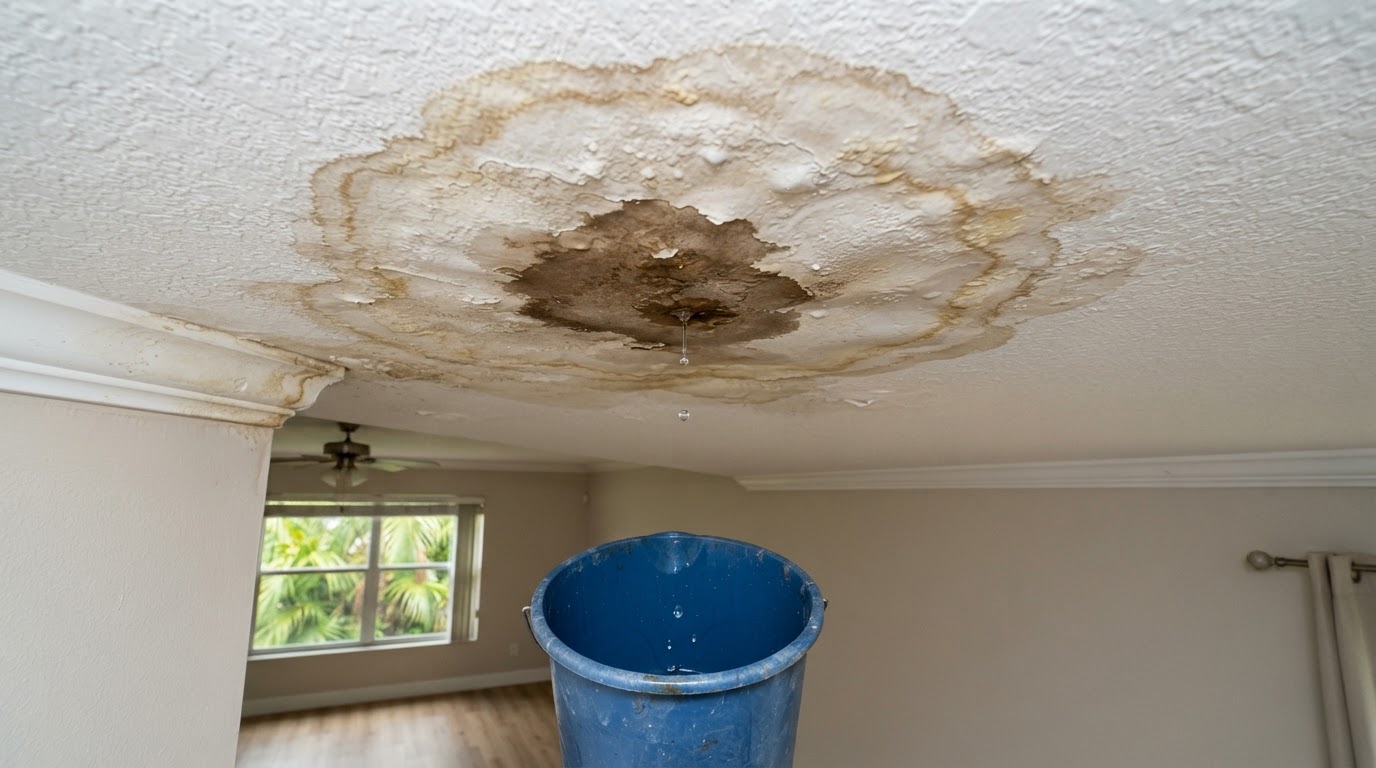
- Water stains on ceilings after storms.
- Visible corrosion on AC components, especially east of the Intracoastal.
- A musty smell when the AC turns on.
In a canal town, moisture comes from three directions: the water table below, the salt air outside, and aging systems above. All three feed hidden mold.
The canal network and the recurring baseboard stain
Pompano Beach is threaded with canals — the city's residential canal network is one of the most extensive in northeast Broward — and the single-family homes along those canals sit with the water table close to the slab for much of the year. During the rainy season the canals rise with storm runoff, and if the water level stays high between storms the soil against the foundation stays saturated. That water seeps through the slab and wicks up into the bottom plates and lower drywall — no roof leak required. The telltale pattern in canal-adjacent Pompano Beach homes is a baseboard or lower-wall stain that appears when the rains start, recurs in the same location every year, and does not respond to roof or plumbing repair. If your home backs onto a canal and the lower walls dampen every summer, the source is likely the water table, and the fix is grading, downspout management, and dehumidification rather than a roof or plumbing repair. Testing can confirm the source is the slab before you spend on the wrong fix.
- Recurring baseboard or lower-wall stains in the same location each rainy season often point to canal-level water table seepage, not a leak.
- Homes backing onto Pompano Beach canals sit with saturated soil against the slab for much of the summer.
- Regrade low spots and direct downspouts away from the slab to reduce the seepage load.
- If the canal is the source, the fix is drainage and dehumidification — not roof or plumbing repair.
East of the Intracoastal: salt air and the aging roof
The single-family homes east of the Intracoastal in Pompano Beach face a double burden: direct salt-air exposure that corrodes AC components faster than inland, and housing stock from the 1960s through the 1980s with roofs at or past their design life. The salt air shortens the life of the condensate pan and coil, and the aging roof leaks at flashing and penetrations long before the interior shows a stain. The combination means that a home east of the Intracoastal can have two active moisture sources at once — a corroded AC feeding condensate mold in the air handler closet, and an aging roof feeding wall-cavity mold from above. If your home is east of the Intracoastal, service the AC condensate system every six months, have the roof inspected before every storm season, and check the east-facing wall after any storm with onshore wind. Both moisture paths are active in this area, and both deserve attention.
Prevention for Pompano Beach homeowners
- Check baseboards and lower walls for dampness after heavy rain.
- Service AC condensate systems every six months east of the Intracoastal.
- Have older roofs inspected before storm season.
- Address slow drains and recurring plumbing issues promptly.
- Keep indoor humidity below 50% and monitor with a hygrometer.
When to test
- After any roof or plumbing leak.
- When lower walls feel damp, especially after heavy rain.
- When a musty odor persists after AC service.
- Before buying a Pompano Beach single-family home.
Frequently asked questions
Does backing onto a canal increase mold risk?+
It can. Canal networks keep water tables high, and homes near canals face seepage toward foundations in heavy rain, keeping lower walls damp longer.
Does salt air affect single-family homes too?+
Yes, especially east of the Intracoastal. Salt-laden air corrodes AC components faster, making condensate failures more common — the top indoor moisture source.
Why are older Pompano Beach homes more prone to mold?+
Roofs at or past their design life and original plumbing that leaks slowly both feed hidden mold. Older materials also hold moisture longer once wet.
Should I test a Pompano Beach home before buying it?+
Yes. Canal water tables, salt air, and aging systems all add moisture paths. A pre-purchase inspection with moisture mapping is especially valuable here.
Related resources
If you own or are buying a single-family home in Pompano Beach, connect with our recommended local mold testing provider for an assessment that covers canal moisture, salt air, and aging systems.
Need professional mold testing in South Florida?
Connect with our recommended local mold testing provider, MoldXperts, for an independent assessment.
Looking for professional mold testing in Fort Lauderdale? Connect with our recommended local mold testing provider. We may receive compensation when you contact our featured provider.
About this article
This article is published by Best Mold Testing Fort Lauderdale as an independent educational resource. It is reviewed for accuracy and reflects publicly available guidance from agencies including the EPA, CDC, and Florida DBPR. It is not a substitute for professional advice specific to your property.
Get mold prevention tips in your inbox
The South Florida Mold & Healthy Home Newsletter — practical, no spam.