Scheduled article — publishes on August 19, 2027. Not yet visible on the public blog feed.
Commercial Kitchen Mold in Pompano Beach: Steam, Grease, and Air Quality
Pompano Beach restaurants generate steam and grease that create unique mold conditions. Here is what operators should test.

A commercial kitchen produces moisture by design: steam from dishwashing and cooking, condensation from walk-ins, and grease-laden exhaust that coats every surface. In Pompano Beach's humid climate, that moisture load makes back-of-house mold a persistent operational risk. This article explains where it grows and what to test.
Where mold grows in a commercial kitchen
- Walk-in coolers: door gaskets, ceiling panels, and condensate drains.
- Dish areas: walls and ceilings above dish machines, where steam accumulates.
- Exhaust hoods and ductwork: grease and moisture combine in the plenum.
- Ceiling tiles: porous and hard to clean, they absorb steam and grow mold.
- Behind equipment: gaps between cooking lines and walls trap moisture and grease.
Why it matters beyond cleanliness
Mold in a kitchen is a health inspection risk, an air quality issue for staff, and a contamination risk for product. Spores from a walk-in ceiling or a hood plenum travel through the kitchen's air — which is the same air the food is prepared in.
What operators should do
- Clean walk-in gaskets and check condensate drains on a schedule.
- Replace rather than scrub saturated ceiling tiles.
- Verify hood and makeup air balance so steam is exhausted, not spread.
- Fix standing water and condensation immediately.
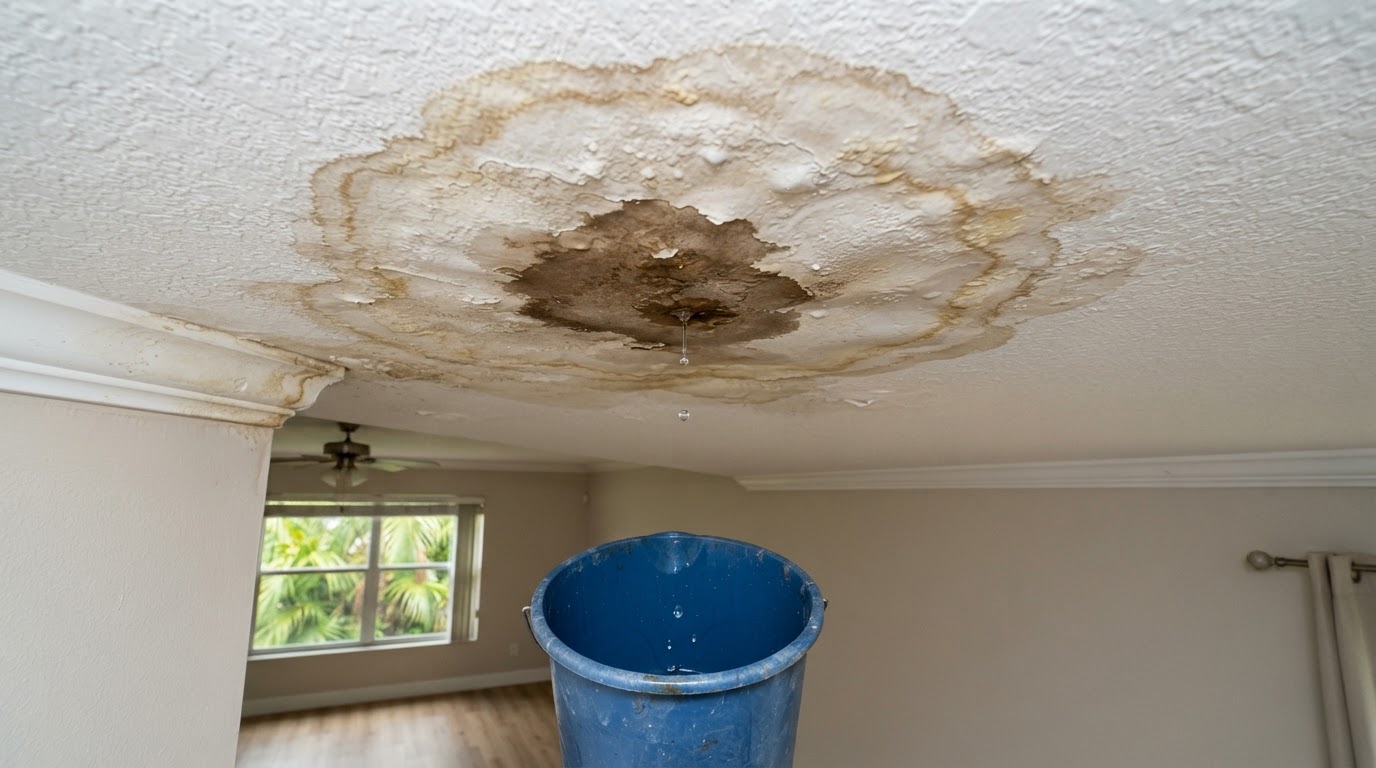
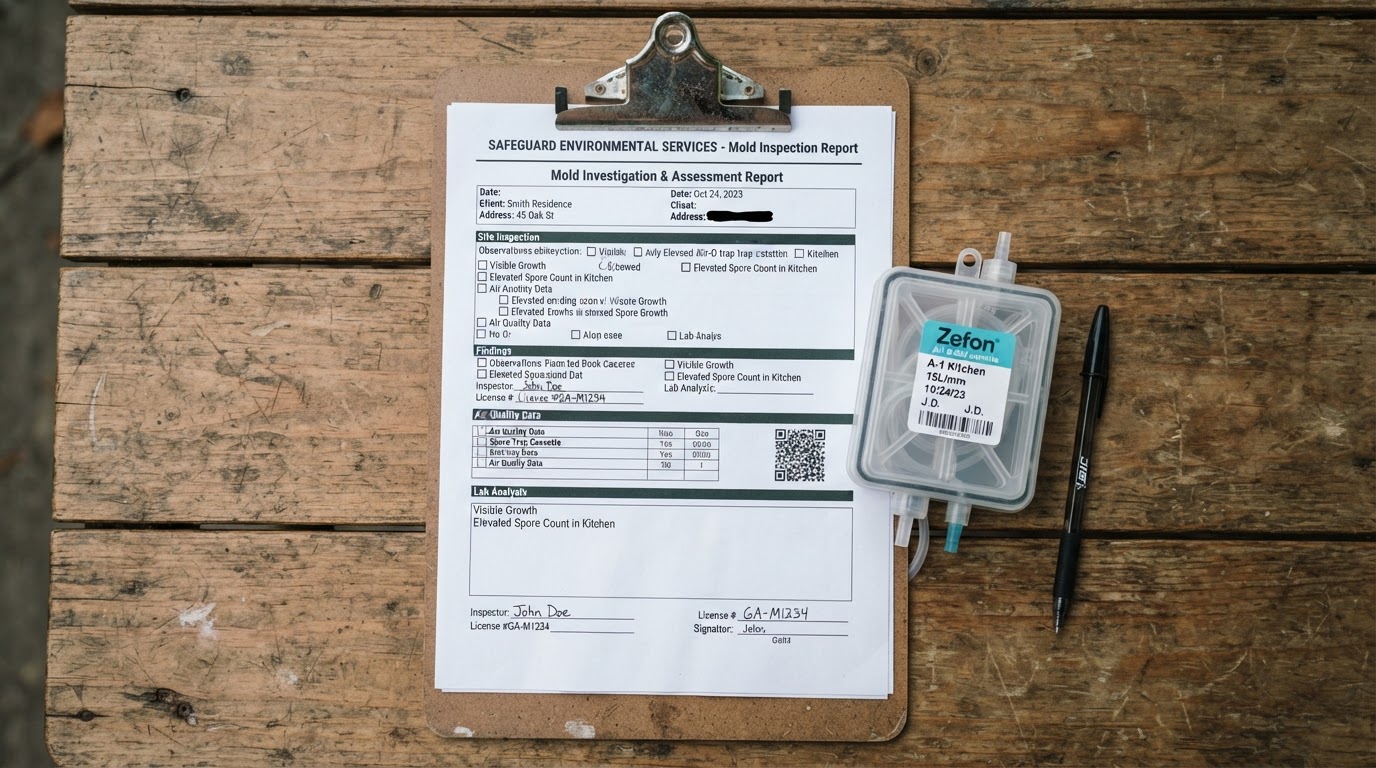
- Test air and surfaces when musty odors appear or after any water event.
When to test
- Persistent musty odor back-of-house.
- Visible growth on gaskets, tiles, or walls.
- After any walk-in failure, roof leak, or plumbing event.
- As a periodic baseline for air quality documentation.
A commercial kitchen is a moisture machine. The question is not whether mold conditions exist — it is whether you are testing for them.
Frequently asked questions
Why do commercial kitchens get moldy?+
Steam from dishwashing and cooking, walk-in condensation, and grease-laden exhaust create a constant moisture load that feeds growth on gaskets, tiles, and hidden surfaces.
Where does mold grow first in a kitchen?+
Walk-in door gaskets and ceiling panels, walls above dish machines, exhaust hood plenums, and porous ceiling tiles.
Why is kitchen mold a food safety issue?+
Spores from a walk-in ceiling or hood plenum travel through the kitchen's air — the same air food is prepared in. It is also a health inspection risk.
What should a kitchen operator test?+
Air and surface samples back-of-house when musty odors appear, after any water event, and periodically as an air quality baseline.
Related resources
If your Pompano Beach restaurant has musty odors or visible growth back-of-house, connect with our recommended local mold testing provider for an assessment that documents air quality.
Need professional mold testing in South Florida?
Connect with our recommended local mold testing provider, MoldXperts, for an independent assessment.
Looking for professional mold testing in Fort Lauderdale? Connect with our recommended local mold testing provider. We may receive compensation when you contact our featured provider.
About this article
This article is published by Best Mold Testing Fort Lauderdale as an independent educational resource. It is reviewed for accuracy and reflects publicly available guidance from agencies including the EPA, CDC, and Florida DBPR. It is not a substitute for professional advice specific to your property.
Get mold prevention tips in your inbox
The South Florida Mold & Healthy Home Newsletter — practical, no spam.