Scheduled article — publishes on December 31, 2026. Not yet visible on the public blog feed.
Mold Testing in Oakland Park: Low Elevation, Canals, and Post-War Homes
Oakland Park's low elevation, canal proximity, and 1950s–70s housing create a specific mold risk. Here is what local homeowners should watch for.
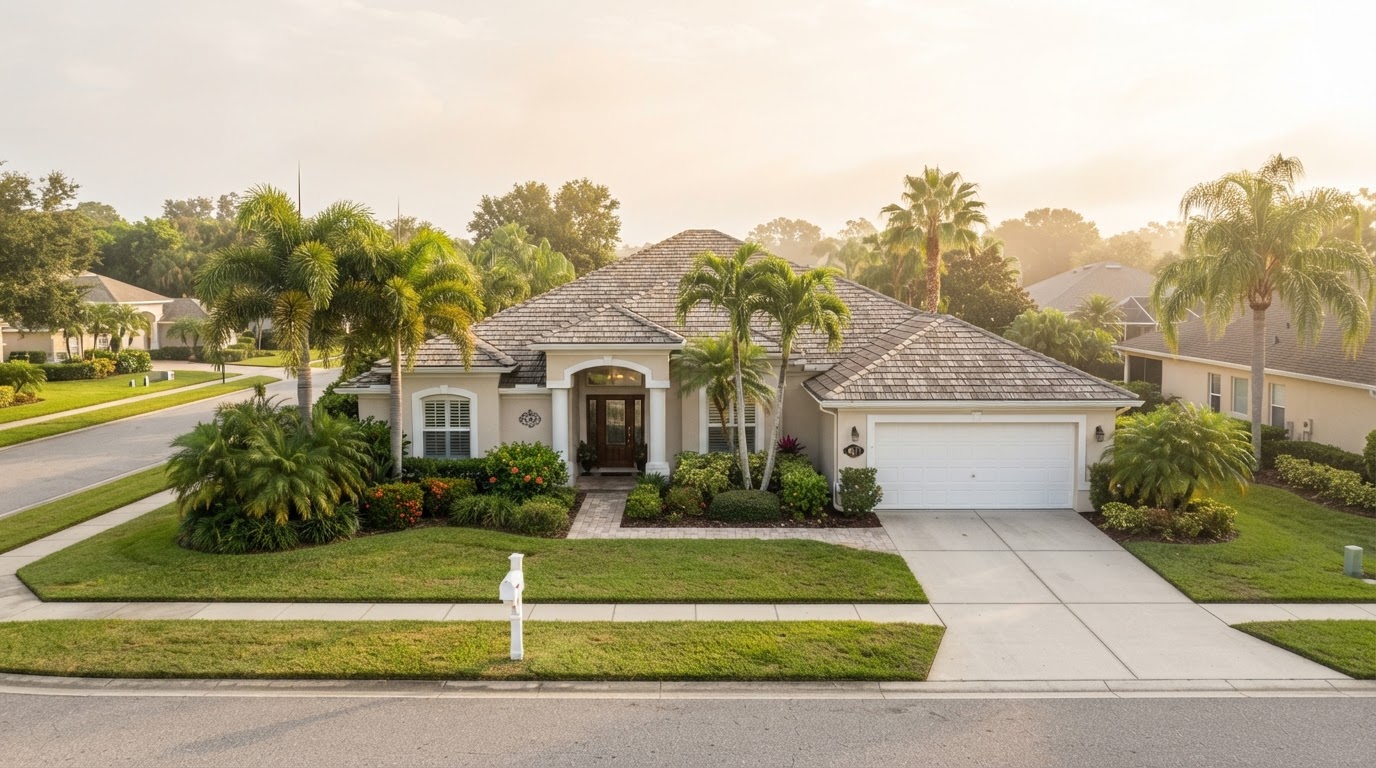
Oakland Park is a small, established community just north of Fort Lauderdale with post-war housing, low elevation, and canal proximity. Those three factors converge: coastal humidity, aging homes, and drainage challenges. This article explains what is specific about mold risk in Oakland Park and when testing makes sense for a local homeowner.
The low-elevation factor
Oakland Park sits at low elevation near the intracoastal, so drainage is slow after storms. Water pools near foundations and lingers in yards, keeping the soil around slabs saturated. That moisture wicks toward foundations and into slab edges, keeping lower walls and baseboards damp longer than in higher-elevation neighborhoods.
Post-war housing and aging materials
Housing is largely 1950s–70s single-family homes on small lots, plus duplexes and small multifamily buildings. Aging roofs, original plumbing, and small-lot spacing that limits airflow between homes are common. Original galvanized or early copper supply lines corrode and leak slowly behind walls, and older roofs leak at seams and flashing.
The three local moisture paths
- Low-elevation drainage: standing water near foundations after storms wicks into slabs.
- Canal water tables: homes near canals face seepage toward slab foundations in heavy rain.
- Aging infrastructure: original plumbing and roofs leak slowly and feed hidden wall-cavity mold.
Warning signs for Oakland Park homeowners
- Damp or discolored baseboards and lower walls, especially after storms.
- A musty smell near the floor in rooms facing canals or low spots.
- Water stains on ceilings from aging roofs.
- A musty odor near a wall that hides original plumbing.
- Soft or warped flooring near exterior walls.
In a low-elevation, post-war neighborhood, the moisture sources are predictable: the ground, the roof, and the plumbing. A mold assessment checks all three.
The Intracoastal and canal drainage in Oakland Park
Oakland Park sits between the Intracoastal Waterway and a network of drainage canals, and its low elevation means water moves through the area slowly. After a storm, yards stay saturated longer than in higher-elevation neighborhoods, and the soil around slab foundations does not drain quickly. That lingering saturation is what keeps lower walls and baseboards damp — not a single leak, but a neighborhood-wide drainage condition.
- After a storm, note how long standing water lingers in the yard; slow drainage keeps slab edges wet.
- Canal-adjacent lots face the highest water tables in the city, especially during fall king tides.
- Regrading low spots and directing downspouts away from the slab reduce the chronic moisture that drives lower-wall mold.
Why close-set lots hold moisture longer
Post-war Oakland Park lots are small and the homes sit close together, which limits the airflow that would otherwise dry siding and exterior walls between storms. Add mature vegetation planted against the house — common on established lots — and the shaded walls stay damp long after the sun returns. That exterior dampness is not just a cosmetic issue; over time it raises the moisture load on the wall assembly behind it.
- Trim shrubs back from siding so air can circulate and dry the wall after rain.
- A shaded, north-facing wall stays damp longest and is the first place to check for exterior mold staining.
- Moving stored items away from exterior walls improves airflow and reduces the hidden dampness behind them.
Renovating a post-war home without trapping moisture
Many Oakland Park post-war homes have been updated over the years, and the way those renovations were done affects mold risk. Original construction breathed more than modern construction — older walls exchanged air with the outside. When insulation and drywall are added without vapor management, the wall cavity no longer breathes, and any moisture that enters stays trapped. If you are planning a renovation on a post-war Oakland Park home, include moisture management in the wall assembly rather than simply sealing it tighter.
Prevention for Oakland Park homeowners
- Keep gutters and downspouts clear and direct water away from the slab.
- Trim vegetation between close-set homes to allow drying.
- Inspect older roofs and plumbing proactively, especially before storm season.
- Use a dehumidifier if lower walls or the slab area stay damp.
- Regrade yards that pool water near the foundation.
When to test
- After any storm-related water intrusion or standing water near the foundation.
- When baseboards or lower walls feel damp or look discolored.
- After any plumbing repair on original supply lines.
- Before buying a post-war Oakland Park home.
Frequently asked questions
Does low elevation really increase mold risk?+
Yes. Low-lying areas drain slowly, so water pools near foundations and keeps soil saturated. That moisture wicks toward slabs and keeps lower walls damp, creating conditions for mold.
Are older homes in Oakland Park more prone to hidden mold?+
Often, yes. Original plumbing and roofs from the 1950s–70s are at or past their design life, and slow leaks behind walls are common. Renovations that added drywall without moisture management can also trap dampness.
What should I do after standing water near my foundation?+
Dry the area promptly, check baseboards and lower walls for dampness over the following days, and test if any musty odor or discoloration appears. Early detection keeps cleanup small.
Should I test before buying a 1960s Oakland Park home?+
It is worth it. Aging roofs, original plumbing, and low-elevation drainage make hidden moisture more likely. A pre-purchase inspection can find problems before you close.
Related resources
If you own or are buying a home in Oakland Park and suspect hidden moisture, connect with our recommended local mold testing provider for an assessment that checks the ground, the roof, and the plumbing.
Need professional mold testing in South Florida?
Connect with our recommended local mold testing provider, MoldXperts, for an independent assessment.
Looking for professional mold testing in Fort Lauderdale? Connect with our recommended local mold testing provider. We may receive compensation when you contact our featured provider.
About this article
This article is published by Best Mold Testing Fort Lauderdale as an independent educational resource. It is reviewed for accuracy and reflects publicly available guidance from agencies including the EPA, CDC, and Florida DBPR. It is not a substitute for professional advice specific to your property.
Get mold prevention tips in your inbox
The South Florida Mold & Healthy Home Newsletter — practical, no spam.


