Scheduled article — publishes on March 19, 2027. Not yet visible on the public blog feed.
Mold Testing in Fort Lauderdale's Older Neighborhoods: Rio Vista and Victoria Park
Fort Lauderdale's historic neighborhoods have mature trees, older homes, and high water tables. Here is what owners should watch for.
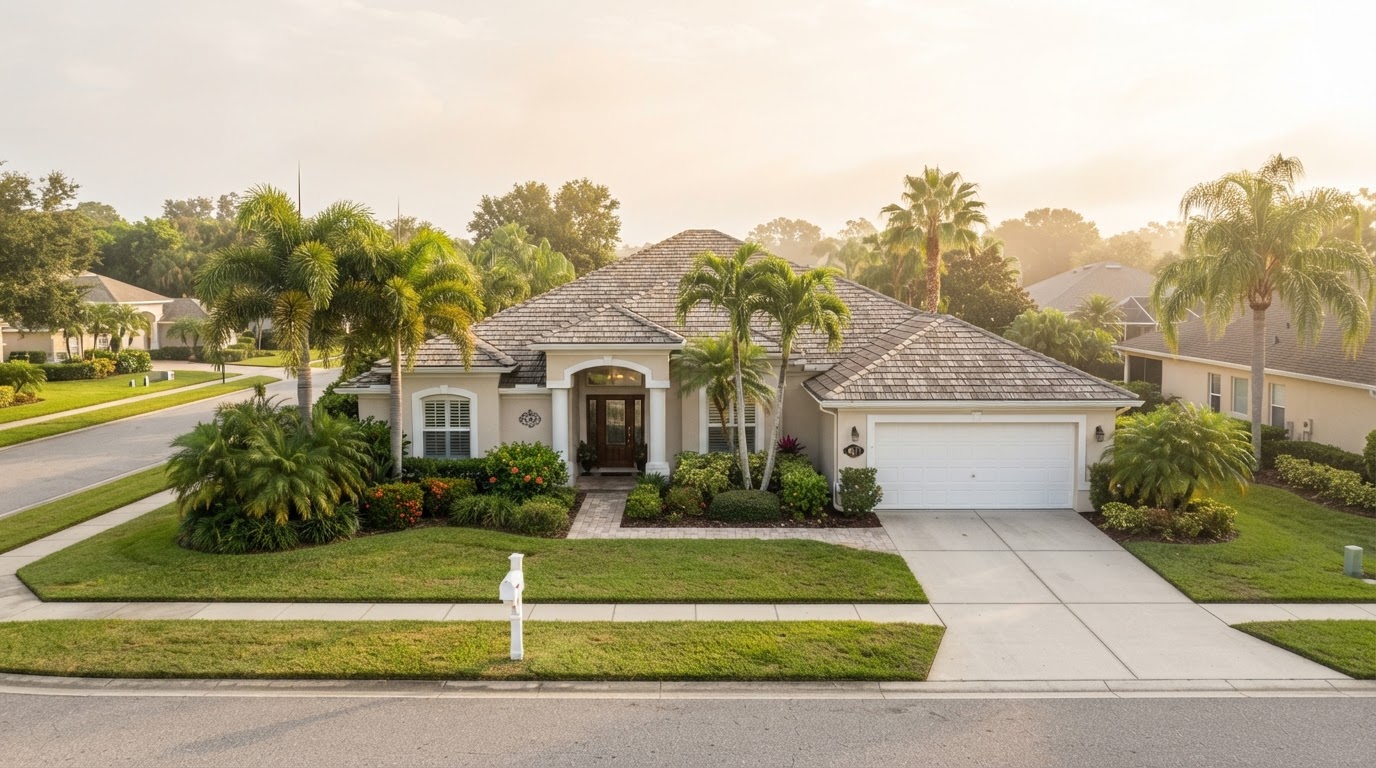
Fort Lauderdale's older neighborhoods — Rio Vista, Victoria Park, Coral Ridge, and others — have some of the city's most characterful housing, along with some of its most specific mold risks. Mature tree canopy, pre-modern-code construction, and high water tables combine in ways newer neighborhoods do not face. This article explains what owners in these neighborhoods should watch for and when testing makes sense.
Mature trees and the roof
The tree canopy that makes these neighborhoods beautiful also shades roofs so they stay damp longer, drops debris that clogs gutters and valleys, and drops branches that damage flashing in storms. A shaded, debris-filled roof is a leak waiting to happen — and the resulting moisture travels down wall cavities out of sight.
Pre-modern-code construction
Homes built before modern moisture codes lack today's moisture barriers, flashing details, and ventilation standards. Original plumbing — including cast iron drain lines — can develop slow leaks inside walls and under slabs. Once wet, older materials stay wet longer, extending the window for mold growth.
High water tables
These neighborhoods sit close to the water table, and ground moisture can wick up through slabs into bottom plates and lower drywall. Damp baseboards and lower walls are a classic sign in older Fort Lauderdale neighborhoods.
Warning signs in older neighborhoods
- Damp or discolored baseboards and lower walls.
- A persistent musty odor you cannot trace to a visible source.
- Water stains on ceilings, especially under tree canopy.
- Slow drains or recurring plumbing issues.
- A musty smell when the AC turns on.
The character of an older neighborhood comes with its own moisture profile: shaded roofs, pre-code construction, and a water table close to the slab. All three feed hidden mold.
Rio Vista: canals, elevation, and the mature canopy
Rio Vista is one of Fort Lauderdale's most desirable historic neighborhoods, built around a canal and lake system with mature landscaping on generous lots. The canals and lakes keep the local water table close to the slab, and the mature canopy — oaks and other large trees that define the neighborhood's character — shades roofs so they stay damp longer and drops debris that clogs gutters and valleys. The combination is specific: a home in Rio Vista can have both water-table seepage at the slab and tree-related roof moisture at the same time, and both feed hidden mold in wall cavities that never fully dry. If you own a home in Rio Vista, the canal-adjacent lower walls and the tree-shaded roof are the two surfaces to inspect each season. A roof that has not been cleared of debris under a mature oak is a leak waiting for the next storm, and baseboards that dampen every rainy season are a sign the water table is reaching the slab.
- Rio Vista's canal and lake system keeps the water table close to the slab — check lower walls each rainy season.
- Mature oaks shade roofs and drop debris into gutters and valleys — clear them before storm season.
- A Rio Vista home can have water-table seepage and tree-related roof moisture at the same time.
- If lower walls dampen every rainy season, the source may be the water table, not a leak — the fix is drainage and dehumidification.
Victoria Park: lot size, setbacks, and the tight wall
Victoria Park is a compact neighborhood with smaller lots and close setbacks, which means homes sit close together and close to the property line. That density changes the mold equation: when homes are close, a moisture problem in one home — a roof leak, a wall-cavity dampness, a condensate issue — can raise the humidity in an adjacent home through the shared or close wall. The mature canopy in Victoria Park shades roofs and walls so they dry slowly, and the smaller lots mean less airflow between homes to dry the walls. If your Victoria Park home has a musty smell on a wall that faces a neighbor, the source may be partly on the other side of that wall — a neighbor's leak, a shared downspout, or a planting bed against the shared property line. Testing can determine whether the moisture is coming from your side or the neighbor's, which matters for the fix.
Prevention in older neighborhoods
- Keep gutters and roof valleys clear of tree debris.
- Have older roofs inspected before storm season.
- Address slow drains and recurring plumbing issues promptly.
- Check baseboards and lower walls for dampness after heavy rain.
- Keep indoor humidity below 50% and monitor with a hygrometer.
When to test
- After any roof or plumbing leak.
- When lower walls feel damp or a musty odor persists.
- Before renovating an older home — testing first protects workers and your family.
- Before buying a home in Rio Vista, Victoria Park, or Coral Ridge.
Frequently asked questions
Does tree canopy increase mold risk?+
Indirectly, yes. Shaded roofs stay damp longer, debris clogs gutters and valleys, and storm-damaged branches compromise flashing — all of which increase leak risk.
Why are pre-modern-code homes more prone to mold?+
They lack today's moisture barriers, flashing details, and ventilation standards. Original plumbing can leak slowly, and older materials hold moisture longer once wet.
Should I test before renovating an older home?+
Yes. Renovation can disturb hidden mold and spread spores. Testing first identifies problem areas so they can be contained during the work.
Should I test an older Fort Lauderdale home before buying it?+
Yes. Aging systems, tree-related roof risk, and high water tables add moisture paths. A pre-purchase inspection with moisture mapping is especially valuable here.
Related resources
If you own or are buying a home in one of Fort Lauderdale's older neighborhoods, connect with our recommended local mold testing provider for an assessment that covers tree-related roof risk, aging systems, and water-table moisture.
Need professional mold testing in South Florida?
Connect with our recommended local mold testing provider, MoldXperts, for an independent assessment.
Looking for professional mold testing in Fort Lauderdale? Connect with our recommended local mold testing provider. We may receive compensation when you contact our featured provider.
About this article
This article is published by Best Mold Testing Fort Lauderdale as an independent educational resource. It is reviewed for accuracy and reflects publicly available guidance from agencies including the EPA, CDC, and Florida DBPR. It is not a substitute for professional advice specific to your property.
Get mold prevention tips in your inbox
The South Florida Mold & Healthy Home Newsletter — practical, no spam.