Scheduled article — publishes on May 24, 2027. Not yet visible on the public blog feed.
The Fort Lauderdale Home Buyer's Mold Checklist: What to Look for Before You Close
A practical checklist for Fort Lauderdale home buyers — what to look for at a showing, what to ask, and when to order a mold inspection.
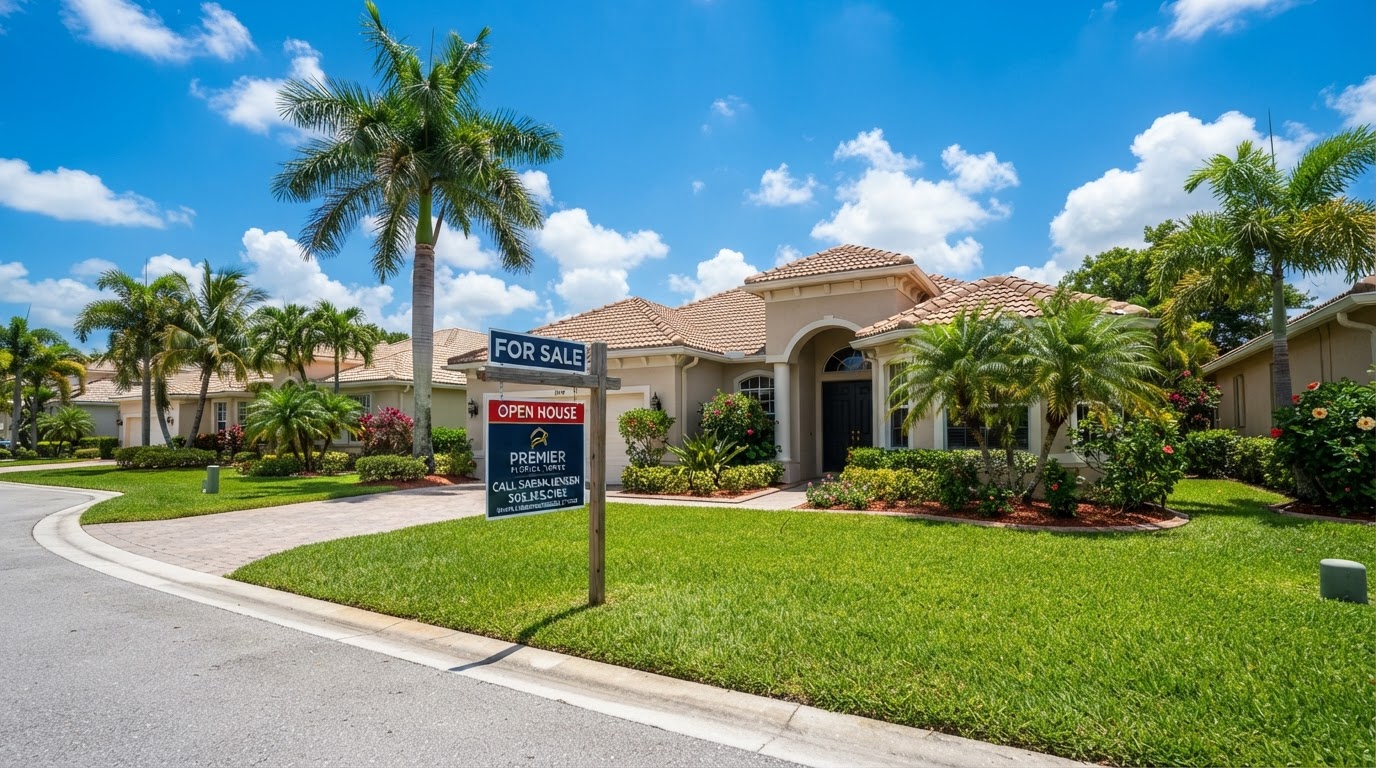
Buying a home in Fort Lauderdale means buying into a climate where mold is always a possibility. This checklist gives buyers a practical framework: what to look for at a showing, what to ask, and when to order a professional mold inspection before closing.
At the showing: what to look for
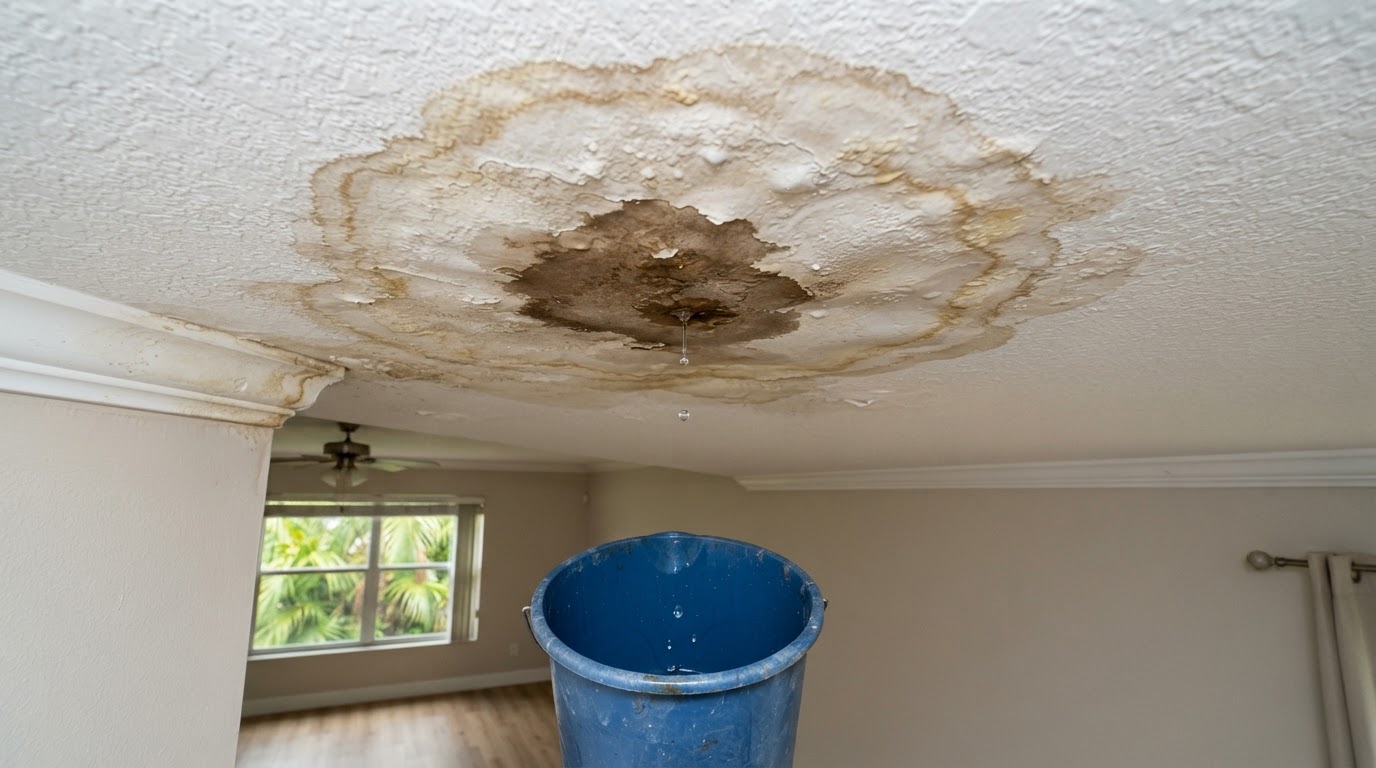
- Water stains on ceilings or walls — even faint or dried ones.
- A musty or earthy odor, especially in closed rooms or closets.
- Fresh paint on a single ceiling or wall section (it can cover a stain).
- Warped or buckling flooring, especially near exterior walls.
- Discoloration at window corners or under sinks.
- An AC air handler closet with stains or corrosion.
Questions to ask the seller or agent
- Has the home had any roof, plumbing, or window leaks?
- Has the home ever been tested for mold, and is a report available?
- Has any remediation been performed? Is there a clearance report?
- How old are the roof and the AC system?
- Has the home been vacant? For how long, and was the AC running?
Fort Lauderdale-specific red flags
- Homes east of the Intracoastal: visible AC corrosion (salt air accelerates it).
- Older neighborhoods: aging roofs, original plumbing, high water tables.
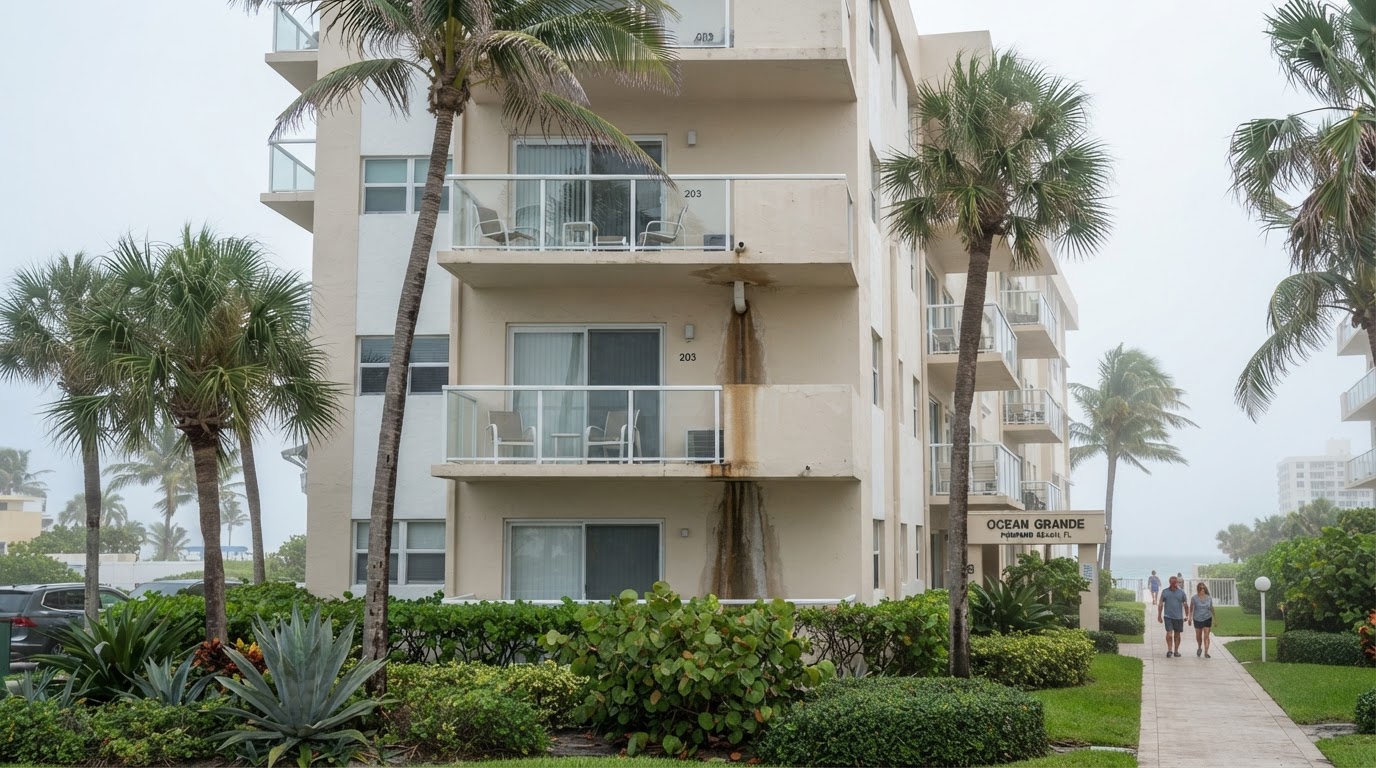
- Condos: stains on the ceiling below the unit above.
- Vacant homes: humidity-driven mold from the AC being off.
When to order a professional mold inspection
- Any of the showing red flags above.
- Any leak history disclosed by the seller.
- The home has been vacant, especially with the AC off.
- Anyone in your household has mold sensitivities or respiratory conditions.
- The home is older or in a flood zone.
In Fort Lauderdale, the question is not whether mold is possible — it is whether this specific home has managed moisture well. The checklist tells you; the inspection confirms it.
What the inspection should include
- A visual inspection focused on moisture and growth.
- Moisture mapping of suspect materials.
- Air and/or surface samples with an outdoor baseline.
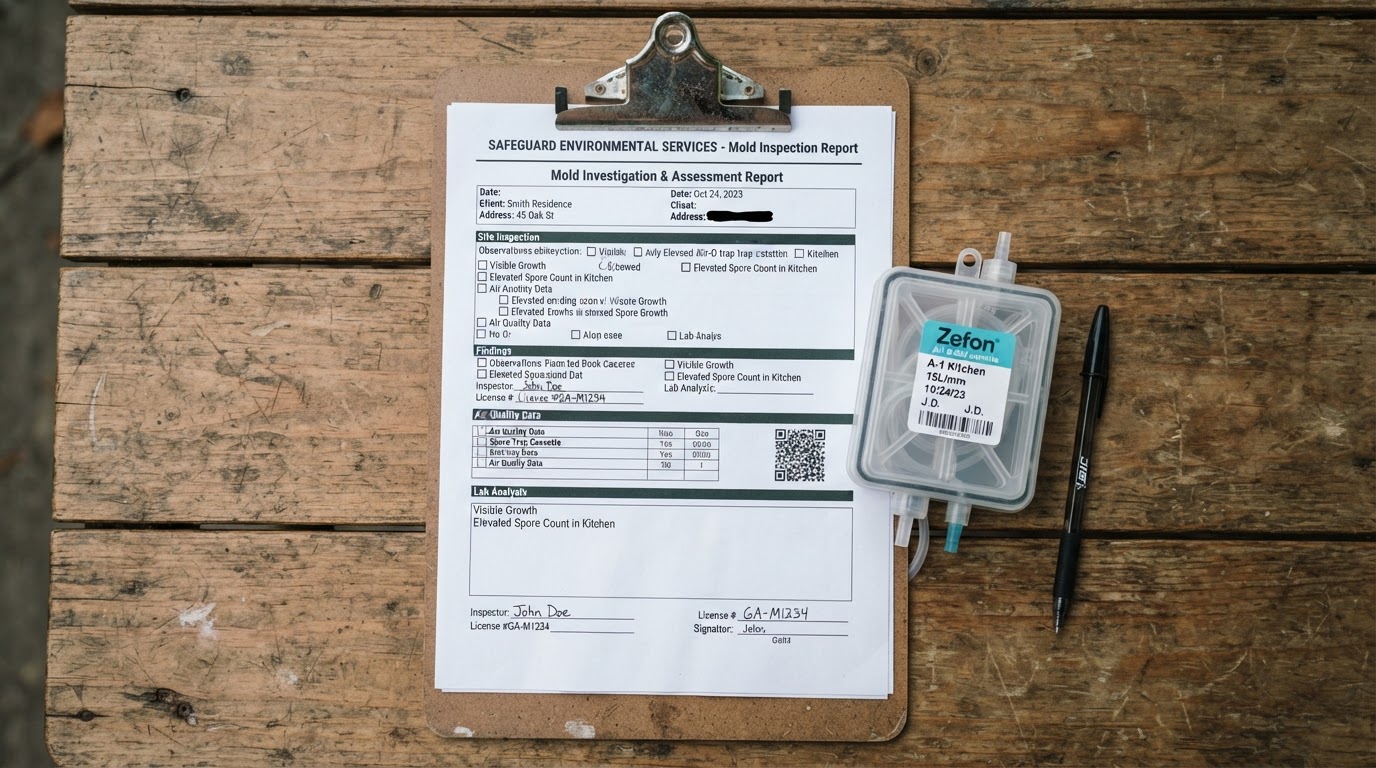
- A written report with lab results, photos, and recommendations.
- A Florida-licensed assessor who does not also remediate.
Frequently asked questions
Does a general home inspection cover mold?+
No. A general inspector may note visible growth, but they do not take samples or send anything to a lab. Mold testing is a separate, specialized service.
What does fresh paint on one ceiling section mean?+
It can indicate a covered water stain. Ask about it directly — and if the answer is unclear, include that area in a professional inspection.
Should I test a vacant home before buying it?+
Yes. Vacancy with the AC off lets humidity spike and mold grow on contents and surfaces. Testing confirms conditions before you close.
When should the mold inspection happen?+
During the inspection window, alongside the general home inspection — so the report arrives before closing and you can still negotiate or walk away.
Related resources
If you are buying a home in Fort Lauderdale, connect with our recommended local mold testing provider for an independent, licensed inspection with a written report before closing.
Need professional mold testing in South Florida?
Connect with our recommended local mold testing provider, MoldXperts, for an independent assessment.
Looking for professional mold testing in Fort Lauderdale? Connect with our recommended local mold testing provider. We may receive compensation when you contact our featured provider.
About this article
This article is published by Best Mold Testing Fort Lauderdale as an independent educational resource. It is reviewed for accuracy and reflects publicly available guidance from agencies including the EPA, CDC, and Florida DBPR. It is not a substitute for professional advice specific to your property.
Get mold prevention tips in your inbox
The South Florida Mold & Healthy Home Newsletter — practical, no spam.