Scheduled article — publishes on June 5, 2027. Not yet visible on the public blog feed.
Buying a Fort Lauderdale Condo: The Mold Due Diligence Checklist
Condo purchases in Fort Lauderdale require mold due diligence beyond the unit itself. Here is what to check — in the unit, the building, and the documents.
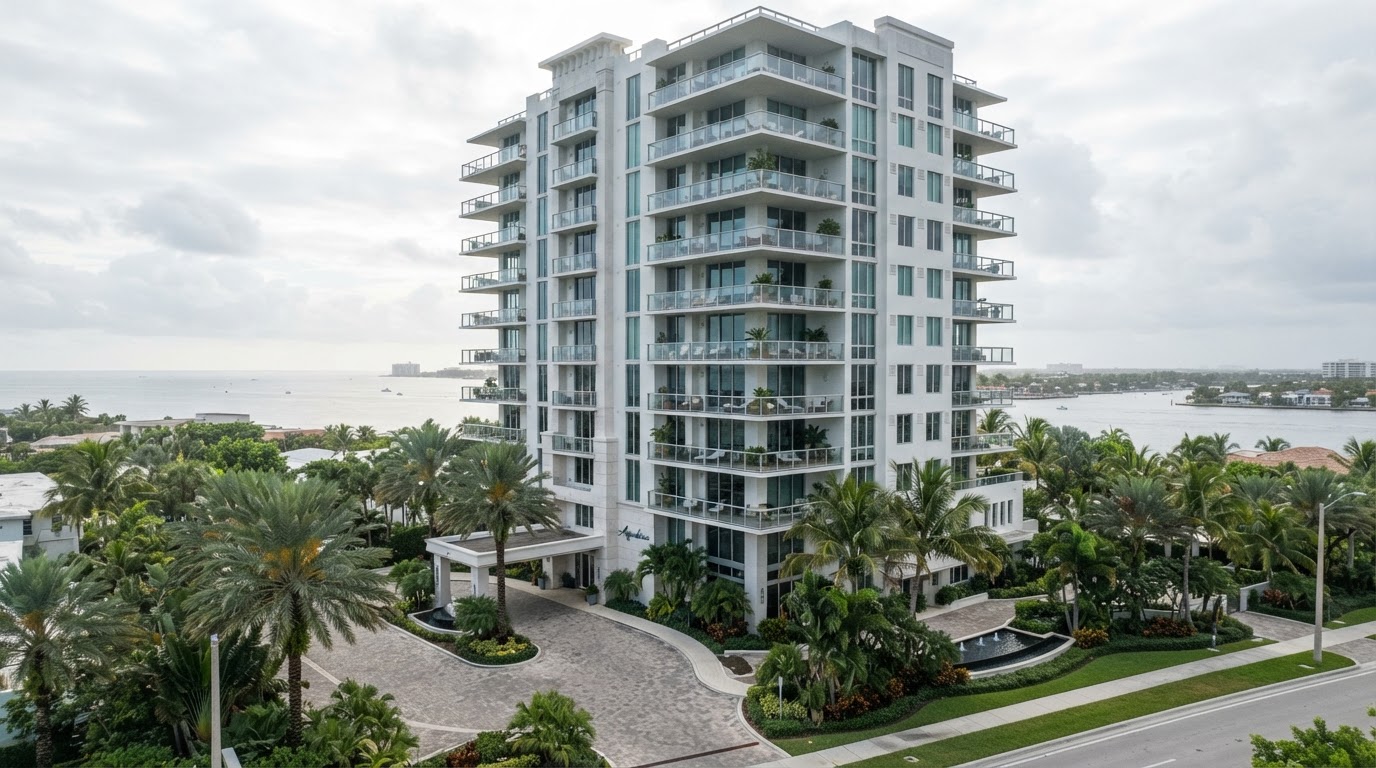
Buying a condo in Fort Lauderdale requires mold due diligence that goes beyond the unit itself — the building's systems, the association's maintenance history, and the documents all matter. This checklist covers what to check in each category before you close.
In the unit: what to look for
- Water stains on the ceiling (below the unit above) or walls.
- A musty odor, especially in closets and bathrooms.
- Discoloration around AC vents or the air handler closet.
- Warped flooring near exterior walls or sliding doors.
- Fresh paint on a single ceiling section (it can cover a stain).
In the building: what to check
- The age and condition of shared plumbing risers.
- Whether building HVAC coils and ducts are cleaned on a schedule.
- Visible corrosion on rooftop or mechanical equipment (salt air accelerates it).
- Signs of water intrusion in hallways, common areas, or the garage.
- The building's age — older towers have more aging infrastructure.
In the documents: what to ask for
- Association records of any mold complaints or remediation.
- Any clearance reports from past remediation.
- Records of roof, plumbing, and HVAC maintenance.
- The milestone inspection report (for buildings 30+ years old).
- The reserve study — a underfunded reserve often means deferred maintenance.
When to order a professional inspection
- Any of the unit red flags above.
- Any disclosed mold history in the building.
- The unit has been vacant, especially with the AC off.
- The building is older with visible infrastructure wear.
In a condo purchase, the building is part of the property. The association's maintenance history tells you as much about mold risk as the unit itself.
Frequently asked questions
What should I look for in the unit itself?+
Ceiling stains (below the unit above), musty odors in closets and bathrooms, discoloration around AC vents, warped flooring, and fresh paint on a single ceiling section.
What building factors matter for mold risk?+
Plumbing riser age, HVAC cleaning schedules, visible corrosion on mechanical equipment, water intrusion signs in common areas, and overall building age.
What documents should I request?+
Association records of mold complaints and remediation, clearance reports, maintenance records, the milestone inspection report, and the reserve study.
Why does the reserve study matter for mold?+
An underfunded reserve often means deferred maintenance — and deferred maintenance is how small leaks become mold problems.
Related resources
If you are buying a condo in Fort Lauderdale, connect with our recommended local mold testing provider for an inspection that covers the unit, the building's systems, and the moisture history.
Need professional mold testing in South Florida?
Connect with our recommended local mold testing provider, MoldXperts, for an independent assessment.
Looking for professional mold testing in Fort Lauderdale? Connect with our recommended local mold testing provider. We may receive compensation when you contact our featured provider.
About this article
This article is published by Best Mold Testing Fort Lauderdale as an independent educational resource. It is reviewed for accuracy and reflects publicly available guidance from agencies including the EPA, CDC, and Florida DBPR. It is not a substitute for professional advice specific to your property.
Get mold prevention tips in your inbox
The South Florida Mold & Healthy Home Newsletter — practical, no spam.


