Scheduled article — publishes on May 18, 2027. Not yet visible on the public blog feed.
Mold Testing and Condo Milestone Inspections in Fort Lauderdale
Florida's milestone inspection and structural integrity reserve study requirements have changed condo maintenance. Here is how mold testing fits in.

Florida's post-Surfside legislation requires milestone structural inspections and structural integrity reserve studies for older condominiums — and those requirements have changed how Fort Lauderdale condo associations approach building maintenance. Mold testing fits naturally into that framework. This article explains the connection.
What the milestone requirements are
Condominiums three stories or higher must undergo milestone structural inspections at 30 years of age (25 in some coastal counties), followed by structural integrity reserve studies that fund long-term maintenance. The intent is to catch deterioration before it becomes structural — and the same logic applies to moisture.
Why moisture belongs in the same conversation
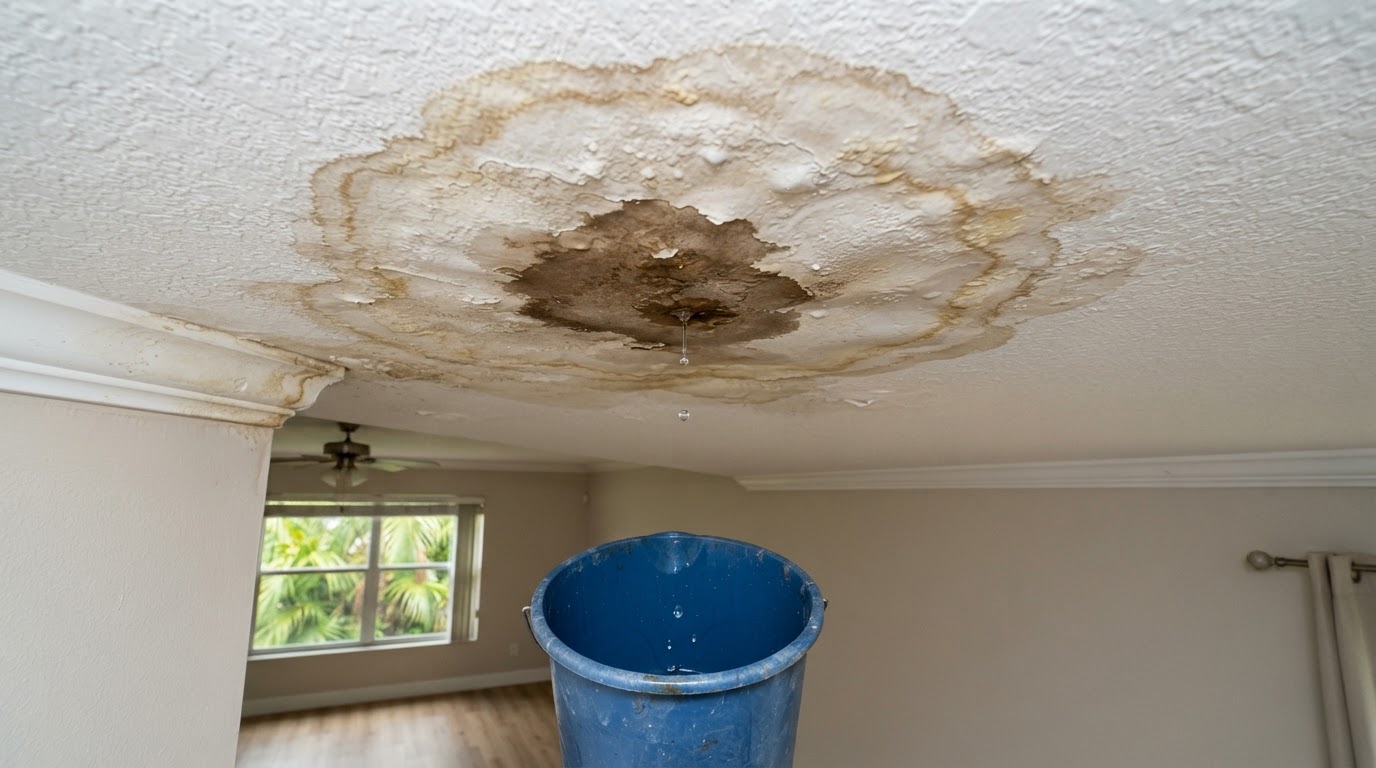
Moisture is a leading driver of building deterioration. Water that enters through a failed envelope element corrodes rebar, rots framing, and grows mold — and by the time structural damage is visible, moisture has usually been present for years. A moisture and mold assessment catches the problem earlier in the same lifecycle.
What a building-wide moisture assessment includes
- Envelope inspection: roof, walls, windows, and penetrations.
- Moisture mapping of common-area walls, ceilings, and slabs.
- Air sampling in representative units and common areas.
- Assessment of shared HVAC and plumbing risers.
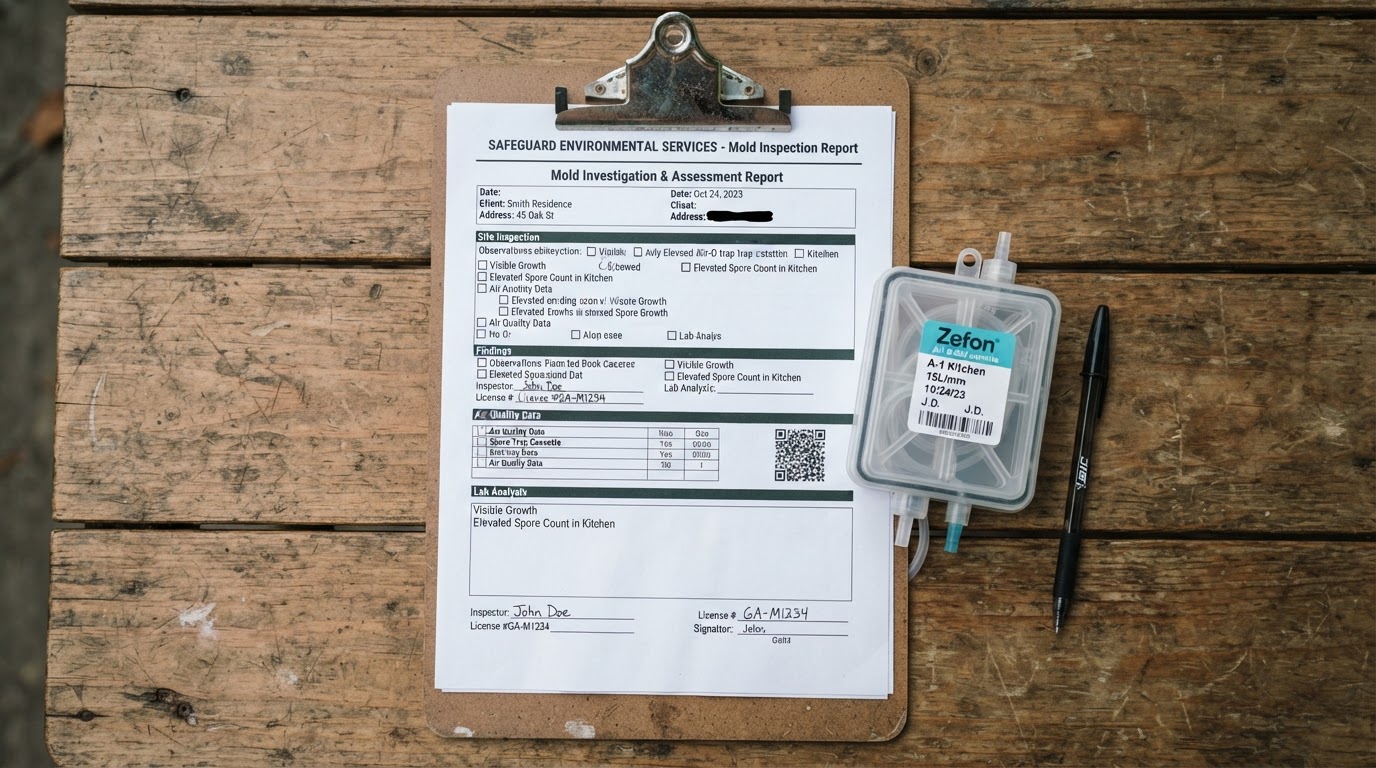
- A written report with findings, photos, and recommendations.
How associations use the findings
A documented moisture assessment gives the association a maintenance roadmap: which envelope elements need repair, which units are affected, and what the remediation scope is. It also supports reserve funding decisions — a known moisture problem is a known future expense, and budgeting for it is part of the reserve study process.
The milestone framework exists because deterioration compounds. Moisture is the compounding agent — catching it early is cheaper than remediating the structure later.
Frequently asked questions
What is a milestone inspection?+
A structural inspection required for Florida condominiums three stories or higher at 30 years of age (25 in some coastal counties), followed by a structural integrity reserve study that funds long-term maintenance.
How does mold testing relate to milestone inspections?+
Moisture is a leading driver of building deterioration. A moisture and mold assessment catches water intrusion earlier in the same lifecycle the milestone framework addresses.
Can an association order building-wide mold testing?+
Yes. A building-wide assessment covers the envelope, common areas, representative units, and shared systems, with a written report that supports maintenance planning.
Does the assessment help with reserve funding?+
Yes. A known moisture problem is a known future expense, and documenting it supports reserve study decisions and budgeting.
Related resources
If your Fort Lauderdale condominium association is planning milestone-related maintenance, connect with our recommended local mold testing provider for a building-wide moisture and mold assessment.
Need professional mold testing in South Florida?
Connect with our recommended local mold testing provider, MoldXperts, for an independent assessment.
Looking for professional mold testing in Fort Lauderdale? Connect with our recommended local mold testing provider. We may receive compensation when you contact our featured provider.
About this article
This article is published by Best Mold Testing Fort Lauderdale as an independent educational resource. It is reviewed for accuracy and reflects publicly available guidance from agencies including the EPA, CDC, and Florida DBPR. It is not a substitute for professional advice specific to your property.
Get mold prevention tips in your inbox
The South Florida Mold & Healthy Home Newsletter — practical, no spam.