Scheduled article — publishes on February 11, 2027. Not yet visible on the public blog feed.
Mold Testing in Davie: Rural Lots, Barns, and Homes on Wells
Davie's rural character means homes on larger lots, outbuildings, and well water. Here is what local homeowners should watch for.
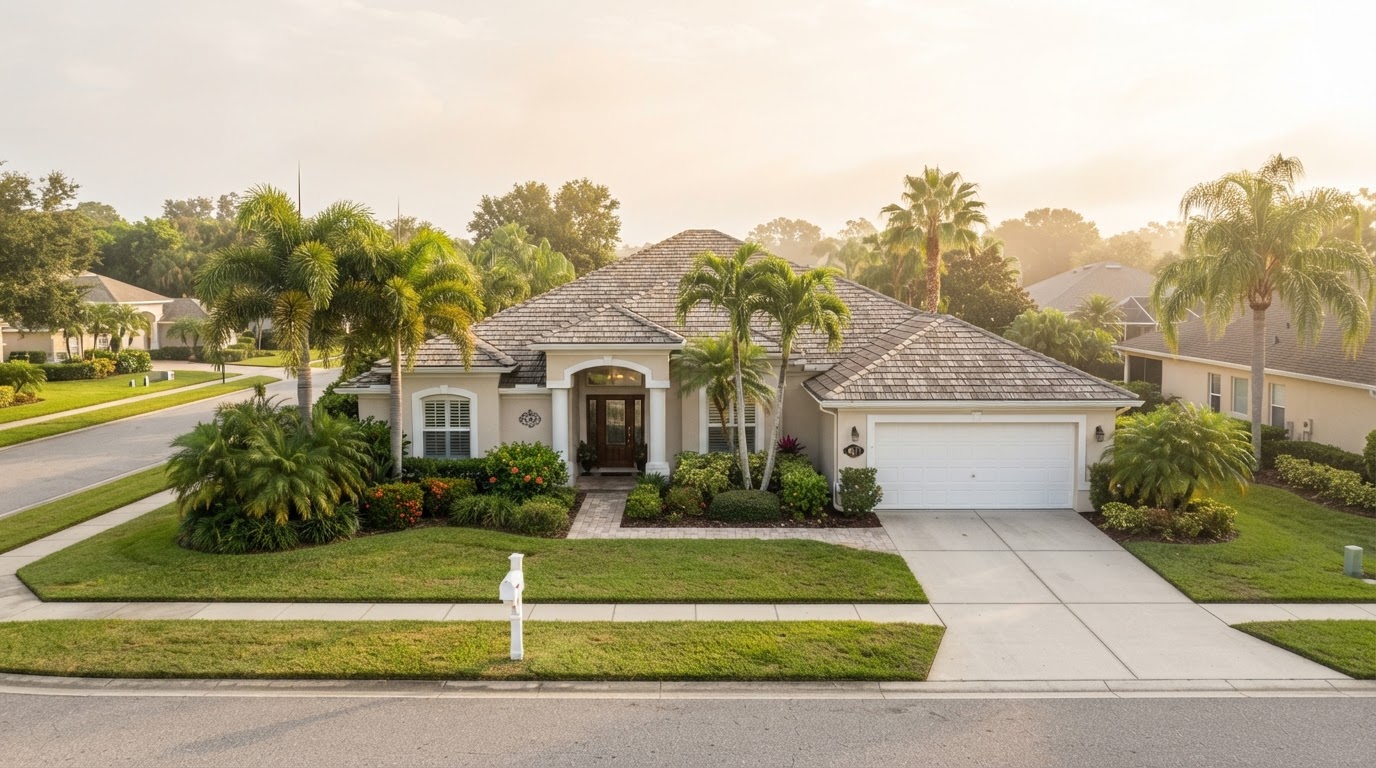
Davie retains a rural character unusual in Broward — homes on larger lots, equestrian properties, barns, and outbuildings. That rural footprint creates mold risk patterns that suburban cities do not have. This article explains what is specific about mold risk in Davie and when testing makes sense.
Outbuildings and barns
Barns, tack rooms, and workshops are often unconditioned or poorly conditioned, letting humidity spike with the weather. Feed, hay, and stored materials are ideal mold substrates. Mold in an outbuilding can also migrate toward the main house on airflow and tools, and spores tracked in on boots and clothing spread it indoors.
Well water and plumbing
Homes on wells have their own pressure systems, and a failing pressure tank or supply line can leak slowly inside a wall or under a slab. Well water also tends to be harder, which can accelerate corrosion of fixtures and supply lines — increasing leak risk over time.
Larger lots and drainage
Larger lots mean more surface water during storms, and drainage that works for a suburban lot may not handle a rural one. Standing water near the foundation keeps lower walls and slabs damp, feeding wicking and mold growth in lower walls.
Warning signs for Davie homeowners
- A musty smell in the main house that worsens after working in the barn.
- Visible mold on stored feed, hay, or materials in outbuildings.
- Damp or discolored baseboards and lower walls after storms.
- Water stains near the pressure tank or well equipment.
- A musty smell when the AC turns on.
On a rural property, the mold source may not be in the house. Outbuildings, well equipment, and lot drainage all create moisture paths that suburban assessments miss.
The tack room and feed storage
Equestrian properties in Davie commonly have tack rooms and feed storage that are unconditioned or only fan-ventilated. Leather tack, hay, and grain are highly absorbent and support mold growth once humidity climbs above 60%, which it does for much of the South Florida summer. Mold in a tack room is not just a property-damage issue — spores on boots, clothing, and tack migrate into the main house, where they can colonize damp indoor surfaces. Keeping feed and hay off the ground on pallets, running a dehumidifier in the tack room during the humid season, and changing shoes before entering the house are the practical defenses.
- Store hay and feed on pallets off the floor in the driest part of the outbuilding.
- A small dehumidifier in the tack room during summer protects leather and prevents mold.
- Change shoes and clothes after barn work before entering the main house to avoid tracking spores indoors.
Well pressure tanks and the hidden leak
A home on a well has a pressure tank and supply equipment, usually in a garage or utility closet. The pressure tank cycles every time water is used, and a failing bladder or a weeping fitting can leak slowly onto the floor or into the wall behind the equipment. Because the equipment sits in a utility space that is not checked daily, the leak can feed mold in the wall or under the floor for weeks. A water stain near the pressure tank, an unexplained increase in pump cycling, or a musty smell in the utility closet are all worth investigating. Well water in this area also tends to be harder, which accelerates corrosion at fittings and shortens the life of supply lines — increasing leak risk over time.
Prevention for Davie homeowners
- Ventilate outbuildings and store feed and hay off the ground in dry areas.
- Inspect well equipment and pressure tanks for leaks regularly.
- Grade the lot to move stormwater away from the foundation.
- Keep indoor humidity below 50% and monitor with a hygrometer.
- Change clothes and shoes after working in barns before entering the house.
When to test
- When the main house smells musty after barn work.
- After any well equipment leak or plumbing failure.
- When lower walls feel damp after storms.
- Before buying a Davie property with outbuildings or a well.
Frequently asked questions
Can mold from a barn affect my house?+
Yes. Spores from moldy feed, hay, or materials in an outbuilding can be tracked indoors on boots and clothing and migrate on airflow. Keeping outbuildings dry and ventilated reduces this.
Does well water increase mold risk?+
Indirectly, yes. Well pressure systems and supply lines can leak slowly, and harder well water accelerates fixture corrosion — both increase indoor leak risk over time.
How does lot drainage affect mold?+
Standing water near the foundation keeps lower walls and slabs damp, feeding moisture wicking and mold growth. Grading the lot to move water away from the house is the fix.
Should I test a rural property before buying it?+
Yes. Outbuildings, wells, and lot drainage add moisture paths that a standard suburban inspection may not cover. A pre-purchase assessment should include all of them.
Related resources
If you own or are buying a rural property in Davie, connect with our recommended local mold testing provider for an assessment that covers the main house, outbuildings, and lot drainage.
Need professional mold testing in South Florida?
Connect with our recommended local mold testing provider, MoldXperts, for an independent assessment.
Looking for professional mold testing in Fort Lauderdale? Connect with our recommended local mold testing provider. We may receive compensation when you contact our featured provider.
About this article
This article is published by Best Mold Testing Fort Lauderdale as an independent educational resource. It is reviewed for accuracy and reflects publicly available guidance from agencies including the EPA, CDC, and Florida DBPR. It is not a substitute for professional advice specific to your property.
Get mold prevention tips in your inbox
The South Florida Mold & Healthy Home Newsletter — practical, no spam.