Scheduled article — publishes on June 14, 2027. Not yet visible on the public blog feed.
Mold Testing for Coral Springs Retail and Office Spaces
Retail and office spaces in Coral Springs face mold from flat roofs, HVAC, and build-outs. Here is what tenants and landlords should know.
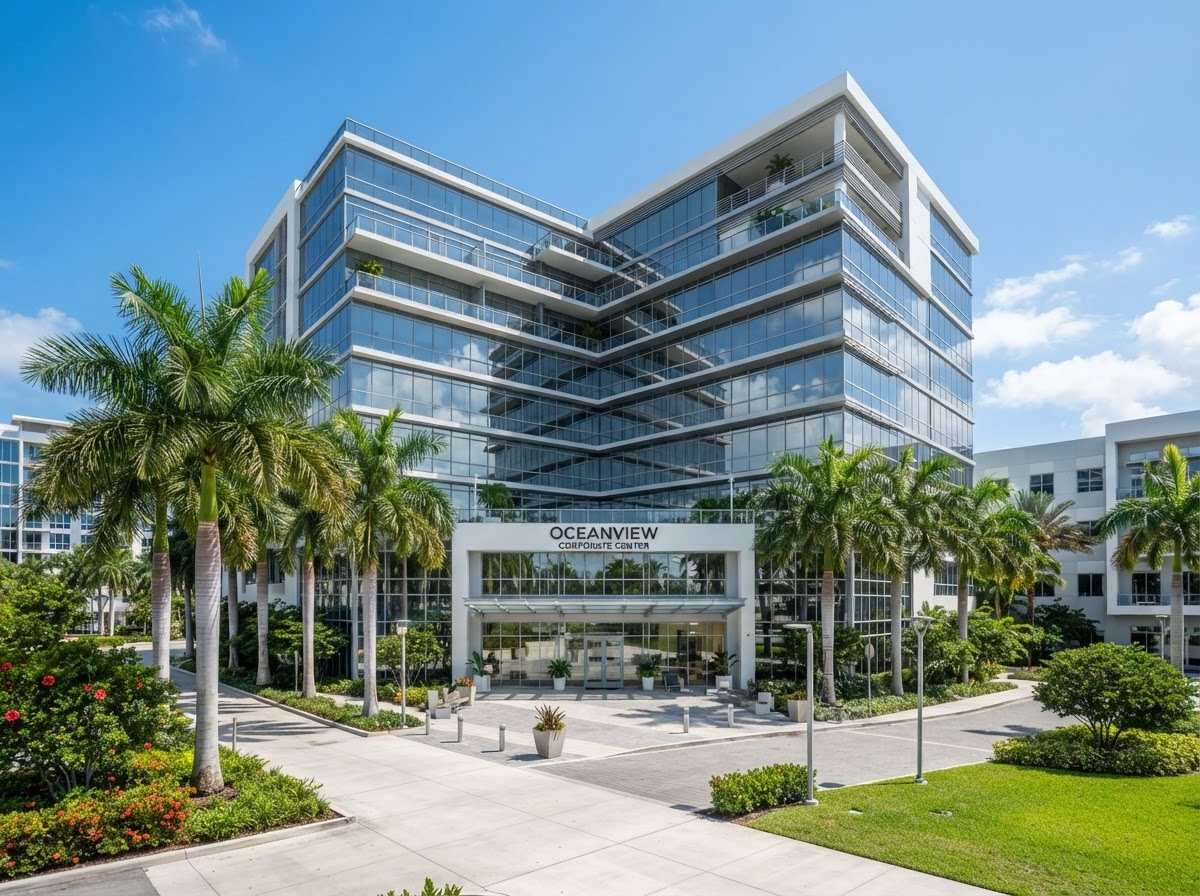
Coral Springs' retail centers and office parks face the same commercial mold drivers as the rest of South Florida — flat roofs, large HVAC systems, and tenant build-outs — with the added complexity of lease-based responsibility. This article explains what tenants and landlords should know.
Flat roofs and HVAC
Most commercial buildings have flat or low-slope roofs that pond water and fail at seams and drains. Large HVAC systems have extensive condensate infrastructure. Both are leading mold drivers, and both are usually landlord-maintained — which matters for lease responsibility.
Tenant build-outs
Retail and office build-outs — new walls, finishes, plumbing — can introduce moisture paths if not done carefully. A build-out that covers an existing damp area without drying it first seals the moisture in.
Lease responsibility
Commercial leases vary widely: some make the landlord responsible for the envelope and HVAC; others shift maintenance to the tenant (NNN leases). When mold appears, the lease determines who maintains the moisture source — and a documented assessment that identifies the source is what makes the lease language applicable.
What tenants and landlords should do
- Know your lease's maintenance allocation before a problem arises.
- Report moisture or odor issues promptly and in writing.
- Use an independent assessor so findings are unbiased.
- Document every report, assessment, and remediation.
- For build-outs, confirm existing areas are dry before covering them.
When to test
- After any roof leak or HVAC failure.
- After any tenant moisture or odor report.
- After a build-out.
- Before lease renewal or property sale.
In commercial space, the lease determines who maintains the moisture source — but only a documented assessment identifies the source in the first place.
Frequently asked questions
Who is responsible for mold in a commercial lease?+
It depends on the lease's maintenance allocation. Some leases keep the envelope and HVAC with the landlord; NNN leases shift maintenance to the tenant. The assessment identifies the source, and the lease assigns responsibility.
Why are flat roofs the top commercial mold driver?+
They pond water and fail at seams and drains. A slow leak wets insulation and ceiling assemblies over tenant spaces, often unnoticed.
Can a build-out create mold risk?+
Yes. A build-out that covers an existing damp area without drying it first seals the moisture inside the new assembly.
Why use an independent assessor?+
Independence means the findings are unbiased — which matters for lease disputes, insurance, and transactions.
Related resources
If you lease or manage commercial space in Coral Springs, connect with our recommended local mold testing provider for a documented assessment that supports lease and maintenance decisions.
Need professional mold testing in South Florida?
Connect with our recommended local mold testing provider, MoldXperts, for an independent assessment.
Looking for professional mold testing in Fort Lauderdale? Connect with our recommended local mold testing provider. We may receive compensation when you contact our featured provider.
About this article
This article is published by Best Mold Testing Fort Lauderdale as an independent educational resource. It is reviewed for accuracy and reflects publicly available guidance from agencies including the EPA, CDC, and Florida DBPR. It is not a substitute for professional advice specific to your property.
Get mold prevention tips in your inbox
The South Florida Mold & Healthy Home Newsletter — practical, no spam.