How Quickly Can Mold Grow After a Leak?
The timeline is shorter than most homeowners think. Here is what the science says about mold colonization after water damage.
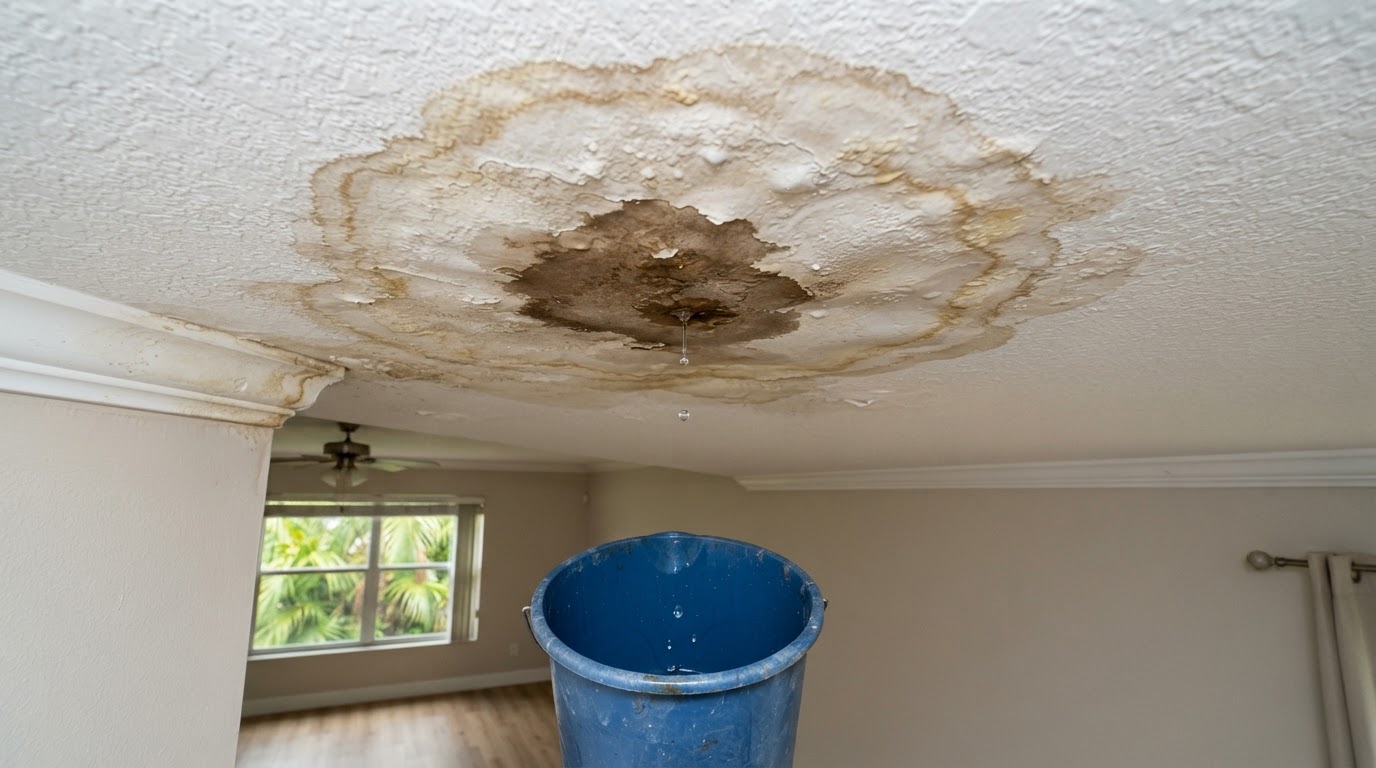
One of the most important numbers in mold prevention is 48 hours. The EPA recommends drying water-damaged materials within 24 to 48 hours to prevent mold growth. In South Florida's humidity, that window can be even shorter.
The growth timeline
Mold spores are present in virtually every indoor environment — they are waiting for moisture. Once a porous material like drywall, wood, or paper stays wet, the timeline looks roughly like this:
- 24–48 hours: spores begin to germinate on damp surfaces under the right conditions.
- 48–72 hours: visible growth can appear, often starting as a faint discoloration.
- 3–12 days: colonies expand and become more visible; the musty odor may become noticeable.
- Beyond 1–2 weeks: growth can penetrate porous materials deeply, making cleanup more extensive.
What speeds it up
- High ambient humidity, which keeps materials damp even after standing water is gone.
- Warm temperatures — exactly what South Florida provides most of the year.
- Porous materials like drywall, carpet padding, and insulation, which hold moisture.
- Poor air circulation, which prevents drying.
Can mold grow behind drywall?
Yes — and it often does. Drywall is paper-faced and highly porous. When the back side stays wet from a leak inside the wall cavity, mold grows there first, out of sight, until it eventually shows through the front. This is why moisture meters and thermal imaging matter: the visible surface can look fine while the back is actively growing mold.
If it has been more than 48 hours since a leak and you are unsure whether mold has started, connect with our recommended local mold testing provider for an assessment that checks behind the surface.
Need professional mold testing in South Florida?
Connect with our recommended local mold testing provider, MoldXperts, for an independent assessment.
Looking for professional mold testing in Fort Lauderdale? Connect with our recommended local mold testing provider. We may receive compensation when you contact our featured provider.
About this article
This article is published by Best Mold Testing Fort Lauderdale as an independent educational resource. It is reviewed for accuracy and reflects publicly available guidance from agencies including the EPA, CDC, and Florida DBPR. It is not a substitute for professional advice specific to your property.
Get mold prevention tips in your inbox
The South Florida Mold & Healthy Home Newsletter — practical, no spam.